1. Project Overview: The Future of Kumoidori 5-Chome
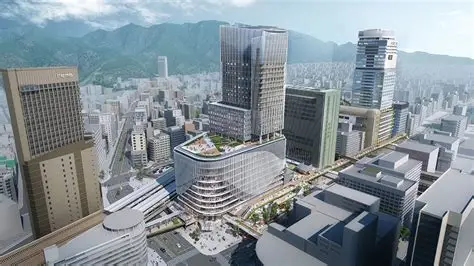
In the history of Kobe, there are not many moments when the face of the city changes so completely. Right now, if you walk just east of Sannomiya Station, you will see a massive area hidden behind construction walls. This is the “Kobe Sannomiya Kumoidori 5-Chome District Type 1 Urban Redevelopment Project.” It is one of the largest and most important parts of the grand plan to rebuild the heart of our city.
To make room for this new project, several landmark buildings had to be taken down. These included Sanpal (a familiar commercial building), Kumoidori Small Park, the Toyoko INN Kobe Sannomiya 2 hotel, the Kobe City Labour Hall, the Sannomiya Library, and the Chuo Ward Office. Bringing all these separate properties together into one single piece of land allowed the city to plan something much bigger than before.
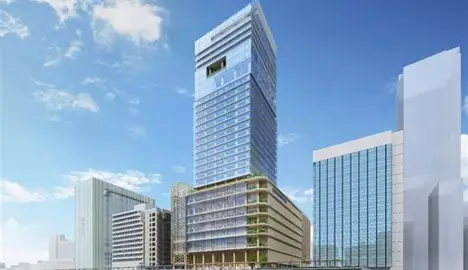
In place of these older buildings, a new super-tall skyscraper is rising. It will have 32 floors above ground and stand about 163 metres high. This new landmark will not just be an office block. It is designed to be a complex “city inside a building.” The lower floors will house a massive new bus terminal and various shops. The middle floors will feature public facilities and modern office spaces, while the top section will welcome a luxury hotel.
The company leading the construction is the Kumoidori 5-Chome Redevelopment Co., Ltd. They are working alongside major Japanese developers, including Mitsubishi Estate, Mitsubishi Warehouse, and TC Shinko Real Estate. Demolition of the old structures began in June 2022, and actual construction work started in September 2023. Workers are now pushing ahead to finish the entire project by December 2027.
2. Farewell to the Old Kumoidori: Remembering Sanpal
While it is exciting to see the city modernise, as a local resident who has lived here for over 20 years, I feel a little bit sad to see the old streets go. Before the construction started, I used to use the buses around this area very often. Because of that, I frequently spent time in the buildings that are now gone. There was a unique, comfortable, and nostalgic atmosphere in that corner of Sannomiya that felt very different from the flashy shopping streets nearby.
I particularly remember the small restaurants on the ground floor of Sanpal that faced the street. I often went there to eat Chinese food, and the taste of those meals is still a vivid memory for me. The Labour Hall and the old Chuo Ward Office were also very special. The buildings were quite old and showed their age, but they had a sense of weight and dignity. When I looked up at them, I always felt a bit overwhelmed by their heavy, solid architecture.
It is lonely to think that these familiar views have disappeared forever. However, I know that accepting change is a necessary step for Kobe to grow and move into its next stage. By writing this article, I want to keep the memory of the old streets alive while we watch the new future take shape.
3. Inside the New Landmark: Advanced Urban Functions and Corporate Strategy
The core facility of this new 32-storey building is the bus terminal on the lower floors. When finished, it will be one of the largest bus terminals in Japan.
However, we need to understand that this terminal is a long-term project. The building opening in 2027 is only Phase 1. The city plans to expand the terminal further in Phase 2 and Phase 3 in the coming years. Therefore, it will not run at 100% capacity immediately after the first building opens. Instead, Kobe will need to slowly and steadily build its reputation as a major hub for medium- and long-distance buses.
At the same time, there are high expectations for the office floors above. In the modern business world, if a city wants to keep major corporate headquarters or attract new ones, it must provide high-quality workspaces. This means offering the latest technology, strong disaster prevention systems, and large floor spaces where a whole company can work together on one level. I was very happy to hear that major companies originally from Kobe, such as ASICS and Sysmex, have already announced plans to move their offices into this new building.
However, if Kobe really wants to increase its competitive edge and draw more wealth into the centre, this is only the minimum requirement. Keeping our own local companies inside the city is just defending our baseline. The real challenge from now on is attraction. We must be able to pull new businesses into Kobe from outside the city or even from other prefectures. Whether we can achieve this or not will depend heavily on the next projects, such as Phase 2, the rebuild of the JR Station Building, and the redevelopment of the City Hall Building No. 2. This ability to bring in new businesses will decide the future of Kobe’s economy.
4. Global Connection: Synergy with Kobe Airport’s Internationalisation
This redevelopment is not just about cleaning up the area in front of Sannomiya Station. It has a much bigger goal: to create a powerful synergy with the internationalisation of Kobe Airport.
For many years, Kobe has stayed far behind neighbouring cities like Osaka and Kyoto when it comes to attracting international tourists (inbound travel). If we look closely at the reason, it is not because Kobe lacks attractive places or culture. The real problem was the “hardware”—the transport links and infrastructure were simply not ready to receive large numbers of foreign visitors.
Thankfully, the situation is changing. Kobe Airport is slowly starting to accept international charter flights, and the city is aiming for full, regular international flights around 2030. It is incredibly important that the opening of this new bus terminal matches the timing of the airport’s expansion.
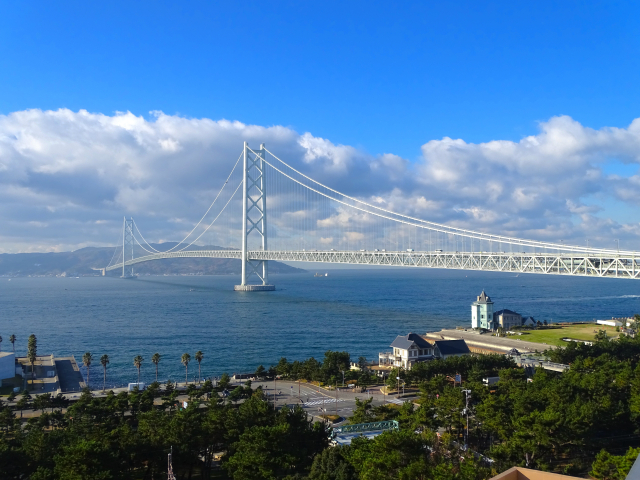
Imagine a tourist from Singapore or Europe landing at Kobe Airport. They can take a short trip to Sannomiya and immediately use this new terminal as a gateway to travel further west, such as to Himeji Castle or Awaji Island. If we can create this smooth flow of people, Kobe will become the main western entrance to the Kansai region. This will naturally increase the demand for hotels in the city, bring in more private business investment, and create a wonderful economic cycle for Kobe.
5. Conclusion: More Than Just a Terminal
The new building at Kumoidori 5-Chome is much more than just a place to catch a bus. It is a highly efficient space that packs all the functions of a modern city into one tower—including business, tourism, culture, and public services. Because it is so convenient, I am confident that the building itself will be highly successful and in great demand.
But the true success of this project lies beyond the walls of this single skyscraper. The real goal is for this massive development to act as a catalyst. It needs to lift the property value of the entire Sannomiya area and spread positive economic energy to the traditional shopping streets and business districts nearby. Turning this new energy into a sustainable city plan that lasts for the next 10 or 20 years is the ultimate goal of the Sannomiya transformation.
I look forward to the day when the new skyline of Kumoidori 5-Chome becomes a new source of pride for the people of Kobe.