The “Stylish” Compliment
When I tell people in Japan that I live in Kobe, the reaction is almost always the same: “Oh, Kobe! Such a stylish and sophisticated city.”
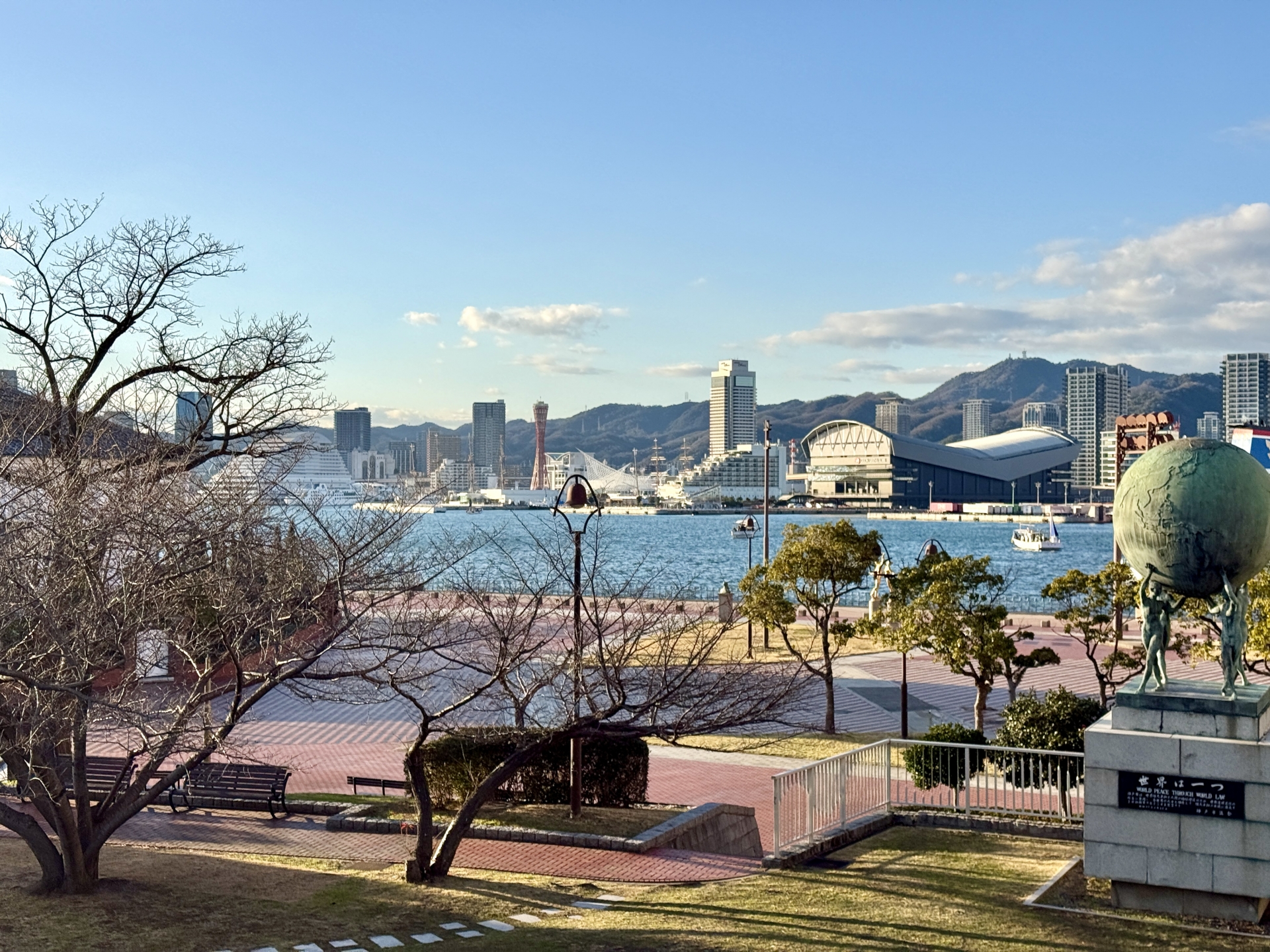
I have to be honest—I actually like hearing that. It makes me feel a little bit proud. Since the port opened to the West in 1868, Kobe has been a gateway for new cultures, fashion, and food. This history created the “Oshare” (stylish) image that people admire today. You can see it in the old Victorian-style houses in Kitano or the high-end shops near the harbour. It is a nice part of our identity.Kobe has been a gateway for foreign culture since its port opened in 1868. This history created the “Oshare” (stylish) image that many Japanese people love. You can see this in the Victorian-style houses in Kitano and the high-end shops near the harbour.
However, when I speak to people from abroad, they usually only know one thing: “Kobe Beef.” While the steak is world-class, focusing only on the “stylish” streets or the expensive beef feels like looking at a postcard without visiting the actual place. Having lived here for over 20 years, I want to show you the Kobe that exists behind the famous brand.
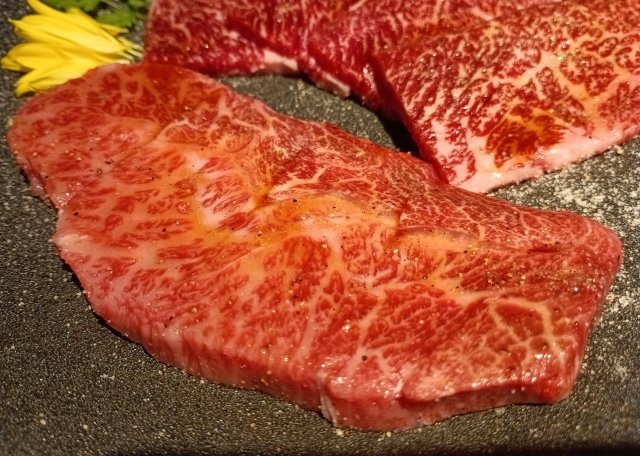
But, to be fair, for visitors from abroad, Kobe Beef is the main attraction, so it is worthy to trying it. It is a world-famous brand of Japanese Wagyu.
The Rise of Vissel Kobe: A 10-Year Journey
Another thing that defines the “real” Kobe today is our football team, Vissel Kobe. I have been a dedicated supporter for over 10 years, and it has not always been easy.
For a long time, we were the team that “spent a lot of money but stayed weak.” Our rivals in nearby Osaka and fans of other teams used to mock us. They would say, “You buy all these famous players, but you still can’t win!” It was a difficult time to be a fan. I remember going to the stadium when it was half-empty, and the atmosphere felt heavy.
However, the owner Hiroshi Mikitani (CEO of the Rakuten) didn’t give up. They kept investing, not just in famous legends like Andrés Iniesta, but in the club’s future. Slowly, that investment began to show results. The “weak” image started to disappear.
Now, the feeling in the city has completely changed. Every weekend, the stadium is packed with fans in crimson jerseys. The sound of the supporters is getting louder and more powerful every year. Watching the team grow from an underdog into a league champion has been one of my greatest joys as a resident. It taught me that building something great takes time, just like the city itself.
The Great Debate: Where is the “Real” Kobe?
This is where the conversation gets interesting for locals. In Kobe, we have a very famous “geographical joke.” Most tourists think Kobe is just the narrow strip of land between the mountains and the sea, near Sannomiya and the centre of the city.
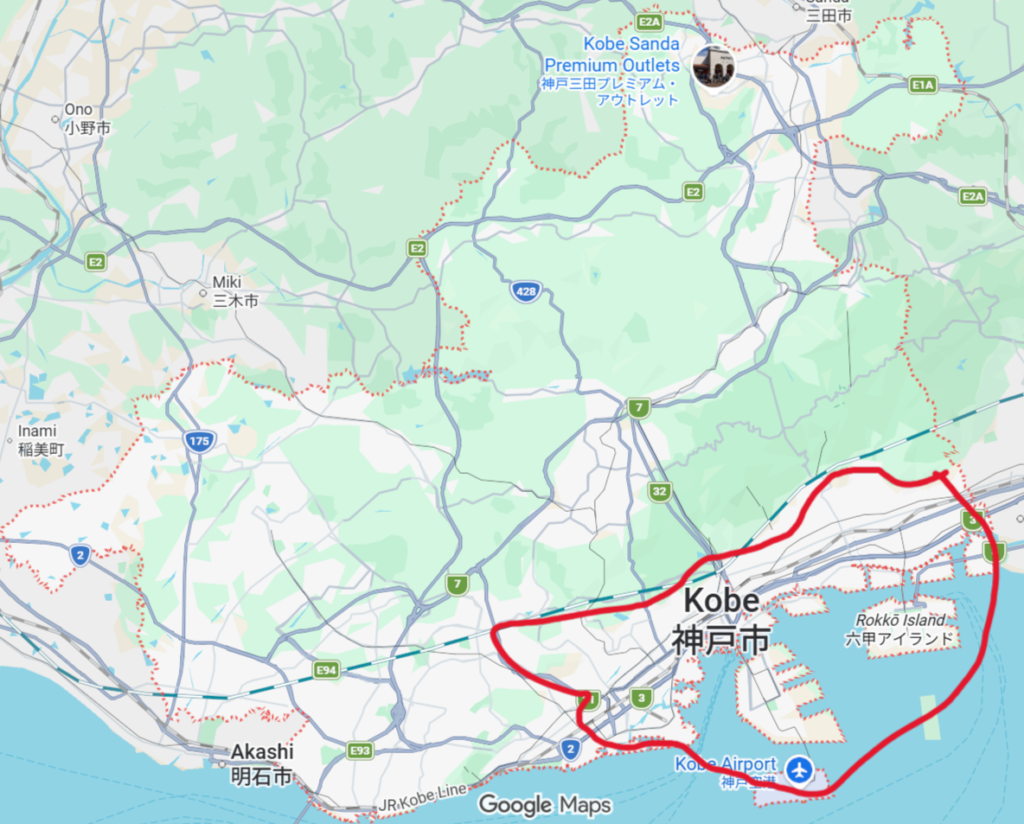
But when I meet someone new and we discover we are both from Kobe or live in the Kobe, the next question is always: “Which part of Kobe are you from?”
If they say they are from Kita-ku (North District) or Nishi-ku (West District), they usually say it with a self-deprecating laugh. They might say, “Well, it’s not the real stylish Kobe you imagine.” I live on the seaside, so I sometimes tease my friends from the north or west.
But the truth is, these areas are fascinating. In Nishi-ku, I once saw school children catching frogs in the middle of wide rice fields. It felt like a peaceful scene from an old movie. In Kita-ku, I remember a winter when the snow was so deep that the whole landscape turned white. Meanwhile, down by the sea where I live, it was just a cold, dry day.
These areas are vast, green, and filled with farms. Without them, Kobe would be just another crowded port city. The fact that you can find skyscrapers and frog-filled rice fields in the same city is what makes Kobe unique.
The Core Identity: Coexistence of City and Nature
If you ask me what I love most about Kobe, it isn’t the fashion or the steak. It is the “closeness” to nature.
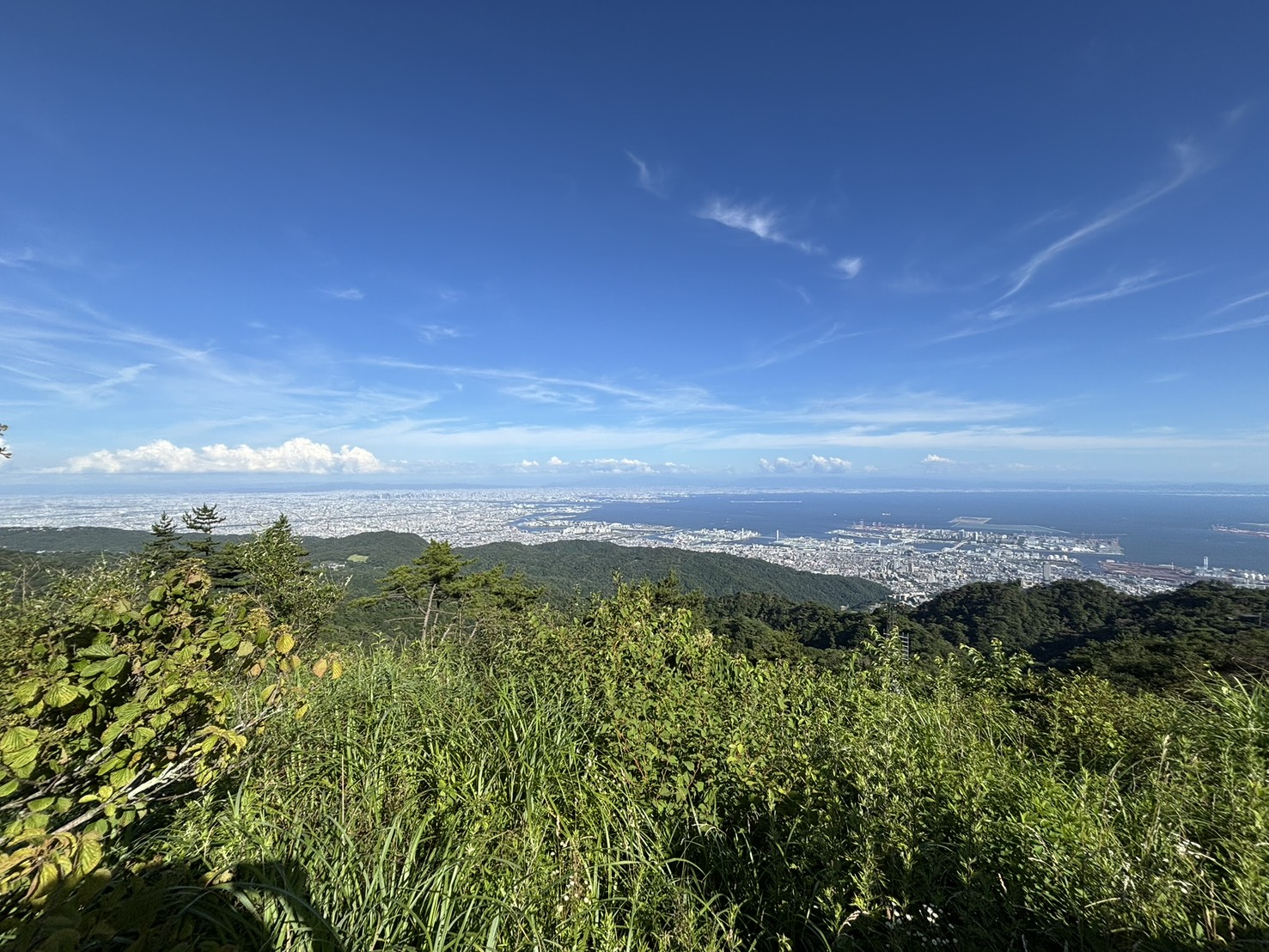
In most major cities like Tokyo, going to the mountains or the sea is a big trip that you have to plan for the weekend. In Kobe, it is something you can do during your lunch break. You can finish a business meeting in a tall office building and, 15 minutes later, be standing at the foot of a waterfall or hiking a trail that overlooks the entire bay.
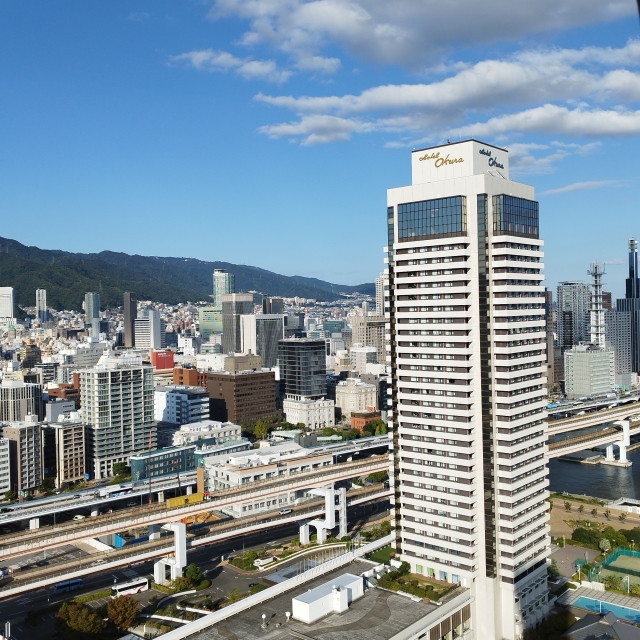
The real Kobe is found in the way the mountain breeze hits the city streets in the morning, and how the salty sea air cools the pavement at night. This “compact coexistence” is our true luxury.
Starting the Journey
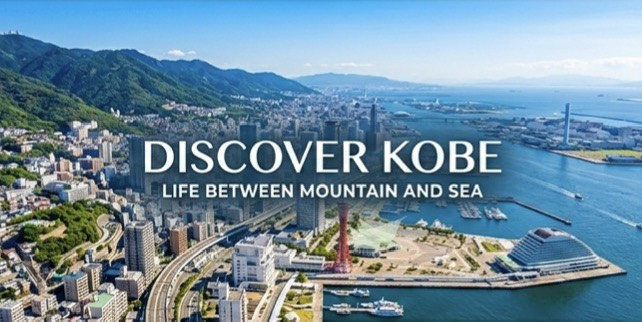
This article is just the beginning of my project, Discover Kobe. My goal is to move past the simple stereotypes and show you the specific corners of this city that only locals know.
Whether it is a hidden bakery in a quiet neighbourhood, a specific hiking trail, or the electric atmosphere at the Noevir Stadium on a match day, I want to share the vivid, real information that I have gathered through my own life and interviews with the people here.
Kobe is a city that rewards those who look a little closer. Whether you come for the “stylish” shops or the famous beef, I hope you will stay to explore the life that exists between the mountains and the sea. I look forward to showing you more.