Kobe is a city defined by its layers. To the casual observer, it is a chic port town with a backdrop of emerald mountains. To the resident, it is a pioneer of Japanese modernisation. Here are five hand-picked locations that capture the true essence of Kobe—from its industrial heritage to its spiritual heart.
The Waterfront Duo: Meriken Park and Harborland
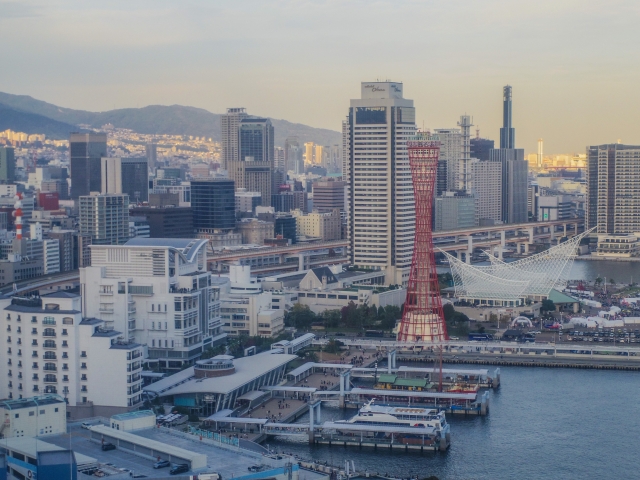
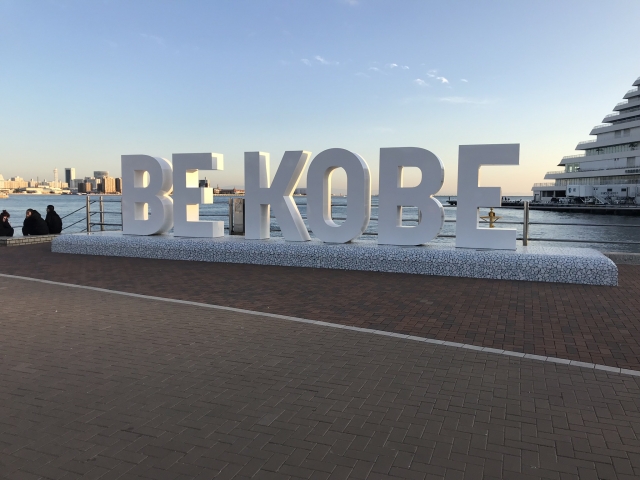
For many, this is the definitive image of Kobe. While visitors often use the names interchangeably, it helps to distinguish the two halves of our maritime identity.
- Meriken Park: This is the cultural heart of the waterfront and home to the iconic red Kobe Port Tower. Following its grand reopening in 2024, the tower now features a rooftop deck where you can enjoy an unobstructed, 360-degree view of the bay.
- Harborland: Located just a short stroll to the west, this is the commercial soul of the port, featuring the Umie and Mosaic complexes, along with the giant Ferris wheel.
What makes this area truly fascinating is its history. Decades ago, this wasn’t a place for tourists; it was a gritty industrial hub. Harborland was once a sprawling freight terminal for the National Railways. As port functions shifted to the massive man-made islands of Port Island and Rokko Island, these prime waterfront spaces were reclaimed for the people. This transformation served as a pioneer for major projects across Japan. It is a masterclass in how a city can reinvent its industrial scars into a sophisticated maritime lounge.
Kitano Ijinkan-gai: A Dialogue Across Cultures
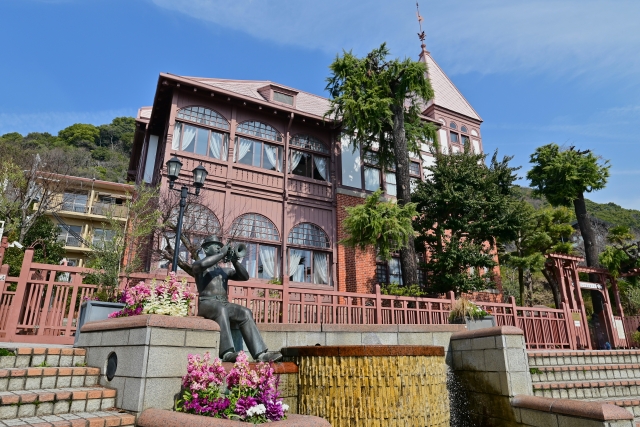
Located just north of Sannomiya and west of Shin-Kobe Station, the Kitano district is an elegant enclave of Western-style residences (Ijinkan) built by early foreign settlers.
There is a cynical view that foreign tourists might find this area uninteresting—after all, why travel to Japan to see Western houses? However, I strongly disagree. Kitano is not just about architecture; it is about the narrative of Japan’s opening to the world. Understanding the circumstances under which these houses were built is essential to understanding the history of modern Japan.
Furthermore, labelling Kitano as purely “Western” is a missed opportunity. Because it is perched on a hillside, it offers stunning views overlooking the city. A visit to Kitano Tenman-gu Shrine provides a quintessentially Japanese contrast to the surrounding Victorian and Gothic facades. It is this hybridity—this “Kobe-ness”—that makes the district so uniquely compelling.
Nunobiki Herb Gardens: The Compressed Essence of Kobe
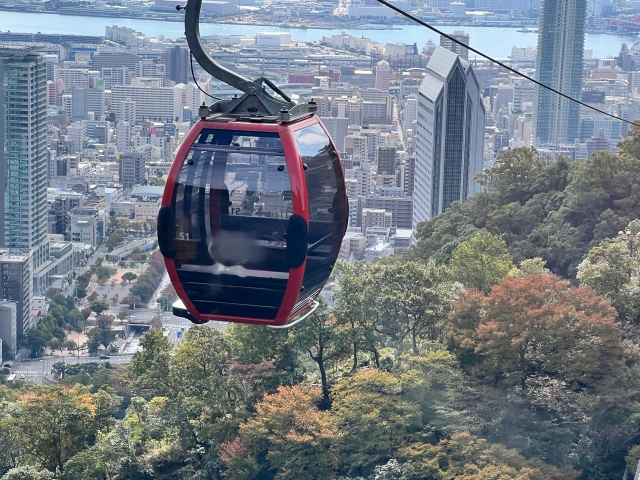
If I were to recommend just one spot to truly feel the city’s geography, it would be the Nunobiki Herb Gardens. Accessible via a dynamic ropeway from near Shin-Kobe Station, this location offers the most concentrated experience of Kobe: the proximity of the mountains, the density of the city centre, and the vastness of the sea, all visible in a single panoramic sweep.
The experience is multifaceted. You can wander through botanical collections, admire exquisite interior decor, or enjoy sweets at a café with a view. On my last visit, I tried the outdoor footbath overlooking the city—it was absolute bliss, melting away the fatigue of the climb. For the more active traveller, the trails are beautifully maintained, allowing you to take the ropeway up and hike down, perhaps stopping at the mid-way station to catch your breath and enjoy the fragrance of the seasonal blooms.
Ikuta Shrine: An Ancient Forest in the Urban Jungle
In the middle of the frenetic energy of Sannomiya, there is a sudden, profound stillness. Ikuta Shrine, with its 1,800-year history, is a spiritual oasis that feels like an ancient forest dropped into the heart of a metropolis.
For many locals, this shrine is a pillar of personal tradition. Visiting for Hatsumode (the first shrine visit of the New Year) to draw an oracle (Omikuji) is a cherished ritual. The atmosphere during the New Year is electric; the surrounding streets become a pedestrian heaven filled with food stalls (Yatai), offering a vibrant, communal celebration. Being so close to Sannomiya Station, it is the most accessible way to touch the ancient, sacred roots of the city.
Nankinmachi: A Tapestry of Sights and Scents
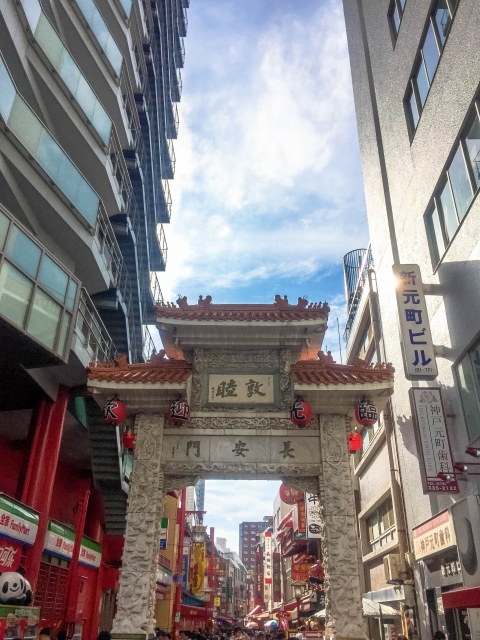
Just a stone’s throw from the refined boutiques of the Old Foreign Settlement and the stylish Motomachi district lies Nankinmachi, Kobe’s Chinatown. While it may be compact in scale compared to its counterparts in other cities, its density is its greatest charm.
The narrow streets are packed tight with stalls and restaurants, creating a sudden and dramatic shift in atmosphere. Moving from the wide, orderly avenues of the Kyu-kyoryuchi into the vibrant, crimson-hued bustle of Nankinmachi is one of the most entertaining urban transitions in Kobe. Whether you are queuing for a famous pork bun (Butaman) or simply soaking in the lively energy of the central square, it remains an indispensable piece of the city’s cultural and culinary mosaic.