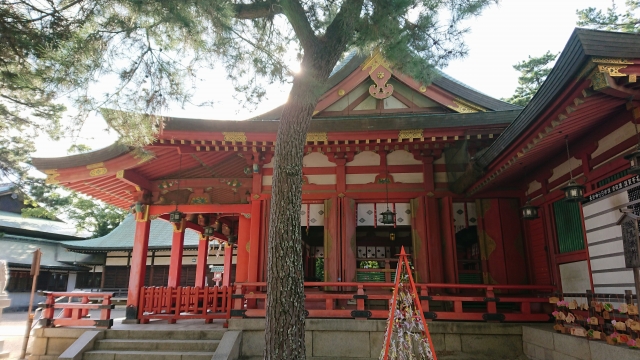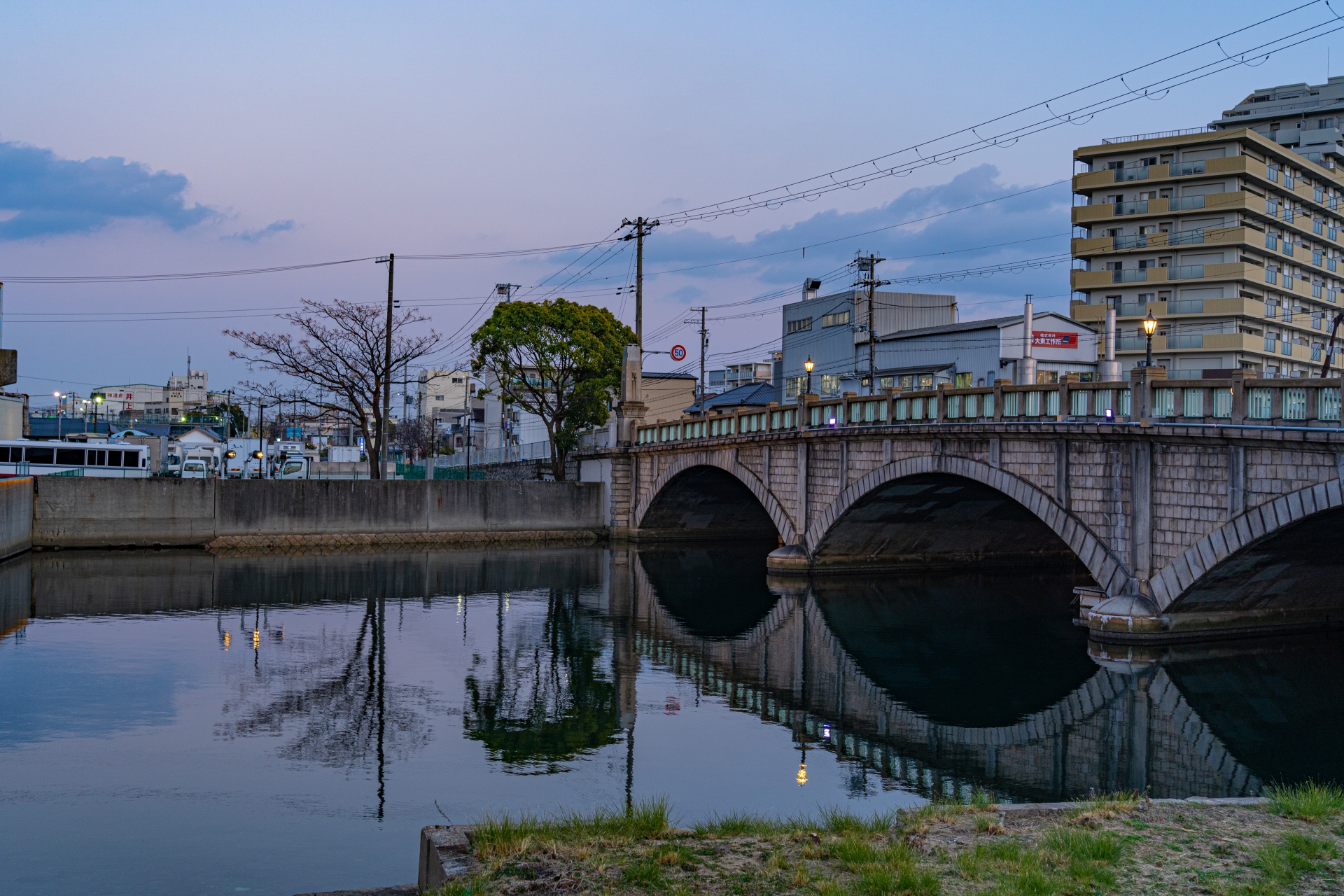
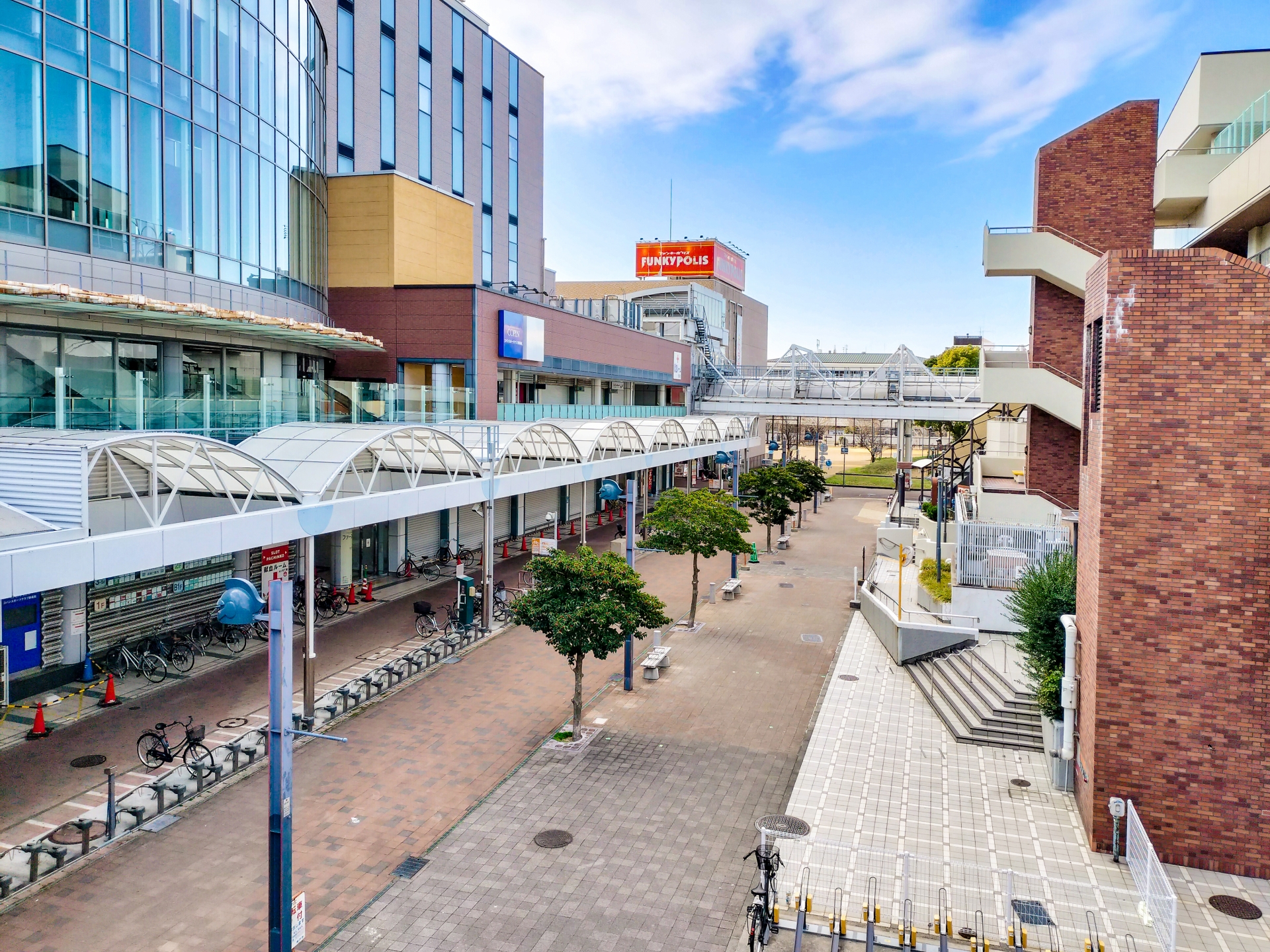
Nagata-ku is often described as the “Iron Ward” of Kobe, and for good reason. As the district that felt the most devastating impact of the 1995 Great Hanshin-Awaji Earthquake, its history is a profound story of resilience. Today, Nagata is a place where a futuristic skyline, a world-class manufacturing heritage, and a deeply rooted “Shitamachi” (old town) spirit coexist in a fascinating, sometimes complex, harmony.
The Paradox of Shin-Nagata: Residential Growth vs Commercial Transition
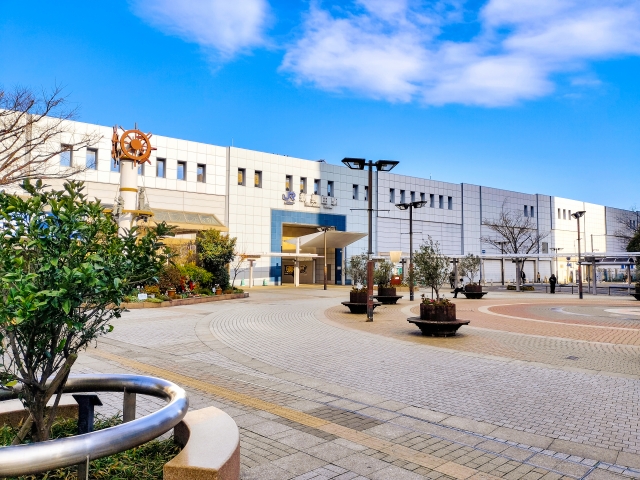
When you step out of Shin-Nagata Station, you are greeted by a strikingly modern cityscape. This area was the focus of massive post-earthquake urban renewal. However, the reality of the district is nuanced.
While some YouTube documentaries highlight the “struggling” commercial tenants in large shopping complexes, this narrative misses a crucial point: people want to live here. In fact, the resident population in the central part of Nagata has surpassed pre-earthquake levels. The departure of major department stores, replaced by community-focused malls, signals a shift from “luxury shopping” to “daily convenience.” Because Sannomiya and Kobe stations are only a few minutes away by train, Nagata has wisely or naturally pivoted to become a high-demand residential hub that caters to the practical needs of its people rather than trying to compete as a tourist shopping destination.
A Legacy of Iron and Craft: The Chemical Shoe Industry
Nagata’s identity is built on its industrial craftsmanship. Since the post-war era, this ward has been the undisputed capital of Japan’s “Chemical Shoe” (synthetic resin footwear) industry.
Kobe open factory Open Factory Kobe | Experience Kobe’s manufacturing culture at this open factory
is a such opportunity to get sence of manufacturing core in Kobe and Nagata. Website says that 「”Kaiko Kobe” is an open factory event held by the local community to promote the appeal of the city’s manufacturing companies with the aim of revitalizing Kobe’s local industry.」
There is a lot of free evet, so do not miss chances to know real Japan manufacturing essence.
- The Numbers: At its peak, the industry supported thousands of local workshops. Even after the 1995 disaster destroyed many factories, the artisans refused to give up.
- The Guardian: This spirit of “Iron Will” is perfectly embodied by the Tetsujin 28-go (Gigantor) monument. Standing 18 metres tall in Wakamatsu Park, this blue giant was built not just as a tribute to the legendary manga artist Mitsuteru Yokoyama, but as a symbol of the ward’s invincible recovery. It is a guardian of the city’s industrial pride.

The Vertical Contrast: From High Hills to Coastal Streets
One of Nagata’s most endearing qualities is the atmospheric difference between its “Sea Side” and “Mountain Side.”
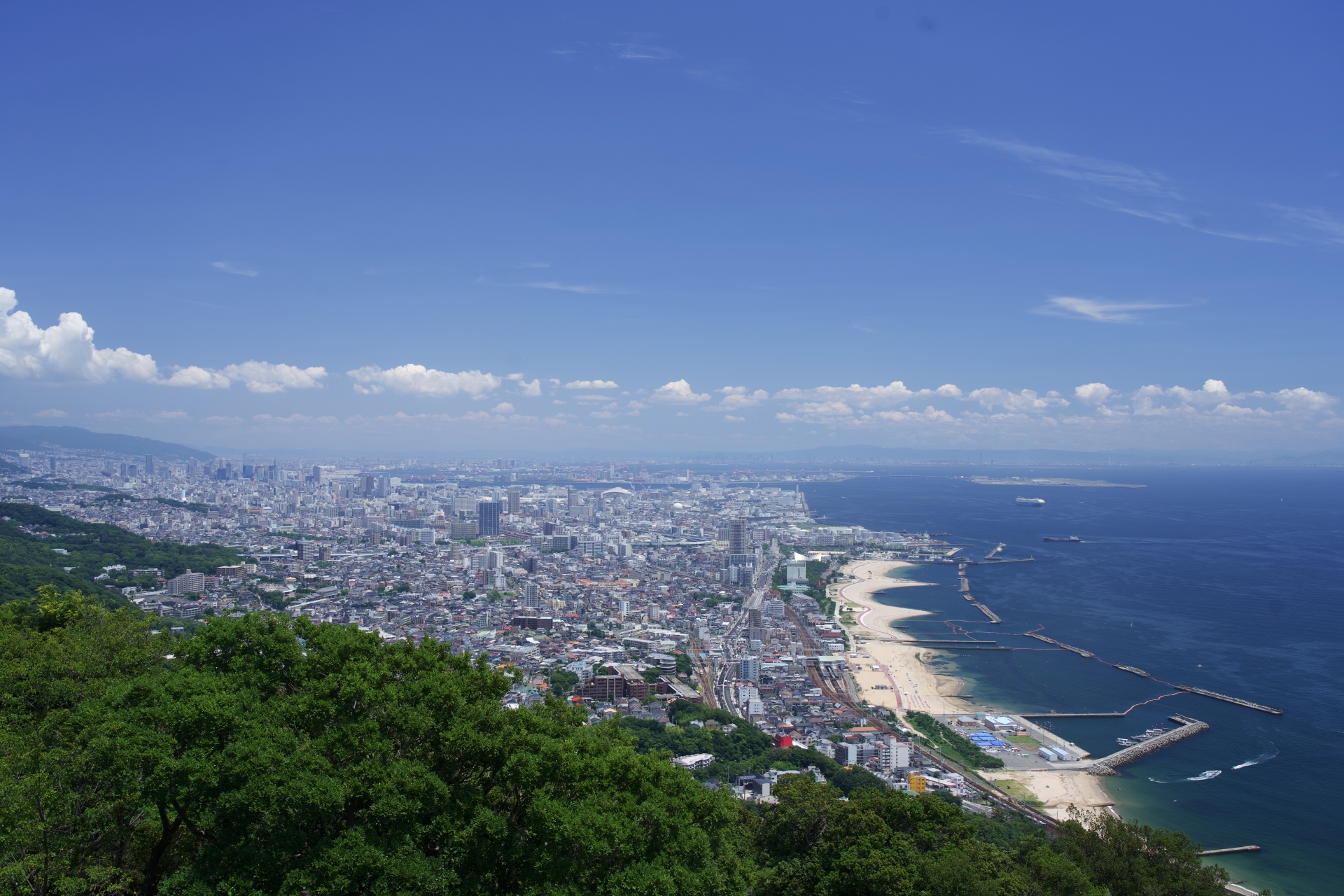
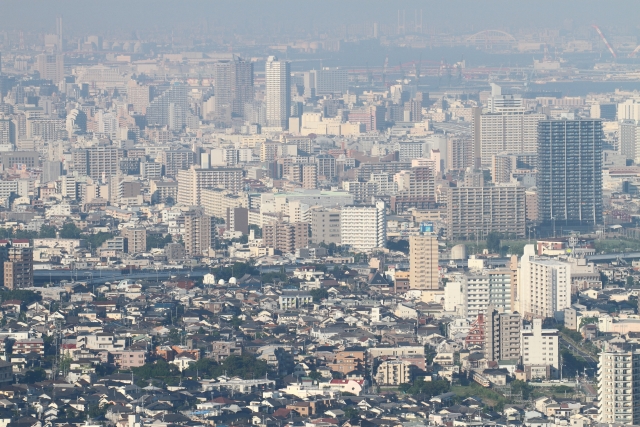
- The Hills (Maruyama & Shintetsu-Nagata): As you head north towards the mountains, the modern redevelopment of the station area gives way to a nostalgic, quiet residential landscape. Areas like Maruyama offer some of the most spectacular views in Kobe. The steep slopes create a dramatic urban tapestry that reminds us of the city’s unique geography.
- The Shitamachi Core: Away from the new station buildings, the “Real Nagata” thrives in its traditional shopping streets. Here, the “Shitamachi” atmosphere is thick with the scent of iron-griddle cooking. This is the birthplace of “Sobameshi” 「whchi is a meal mix of soba(noddles) and mesi(rice)」 —a local soul food born from a thrifty, hardworking culture that knows how to turn simple ingredients into a masterpiece of flavour.
- Please sarch for🔎nagata sobamesi
A Global Frontier: The Future of Multicultural Kobe
For Kobe to continue its growth in an era of population decline, the integration of global talent is essential. Nagata has long been a pioneer in this regard. Historically, Kobe has been a city defined by its international outlook, having welcomed diverse cultures since the opening of its port. This legacy of tolerance makes Nagata a uniquely suitable place for multicultural coexistence.
While broader societal views on international residents can sometimes be cautious, the community in Nagata is built on the shared experience of hard work and reconstruction. Here, diversity is not a challenge to be managed, but an energy to be harnessed. It is this openness that will ensure Nagata remains a vibrant, evolving part of the city for decades to come.
Conclusion: The Authentic Kobe
Nagata-ku is not a polished tourist theme park. it is a “living” city that has looked tragedy in the eye and chosen to rebuild with steel and soul. Whether you are marvelling at the scale of the Tetsujin monument, enjoying a plate of authentic sobameshi, or taking in the sunset from the Maruyama heights, you are experiencing the most authentic, resilient version of Kobe life.