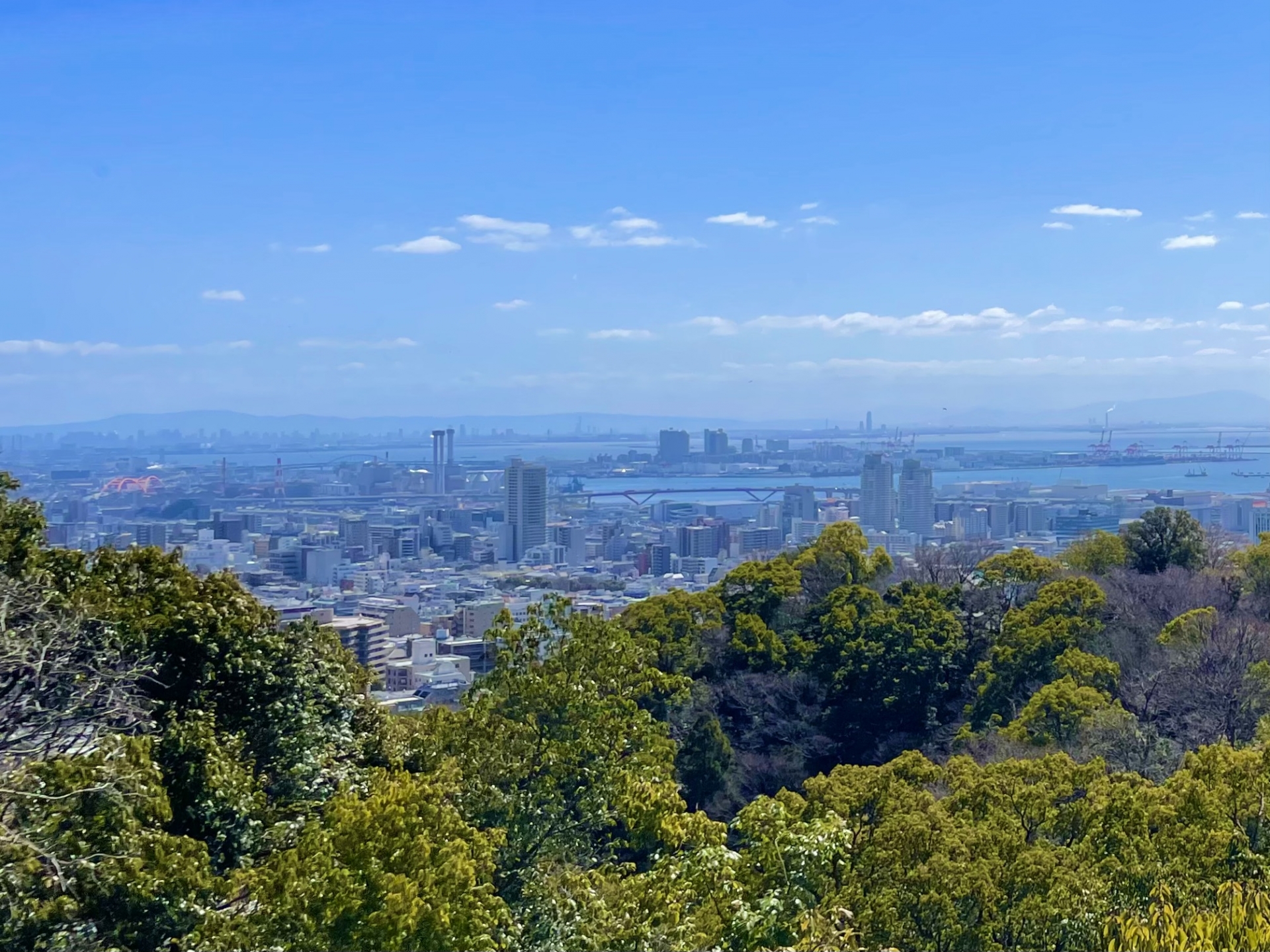
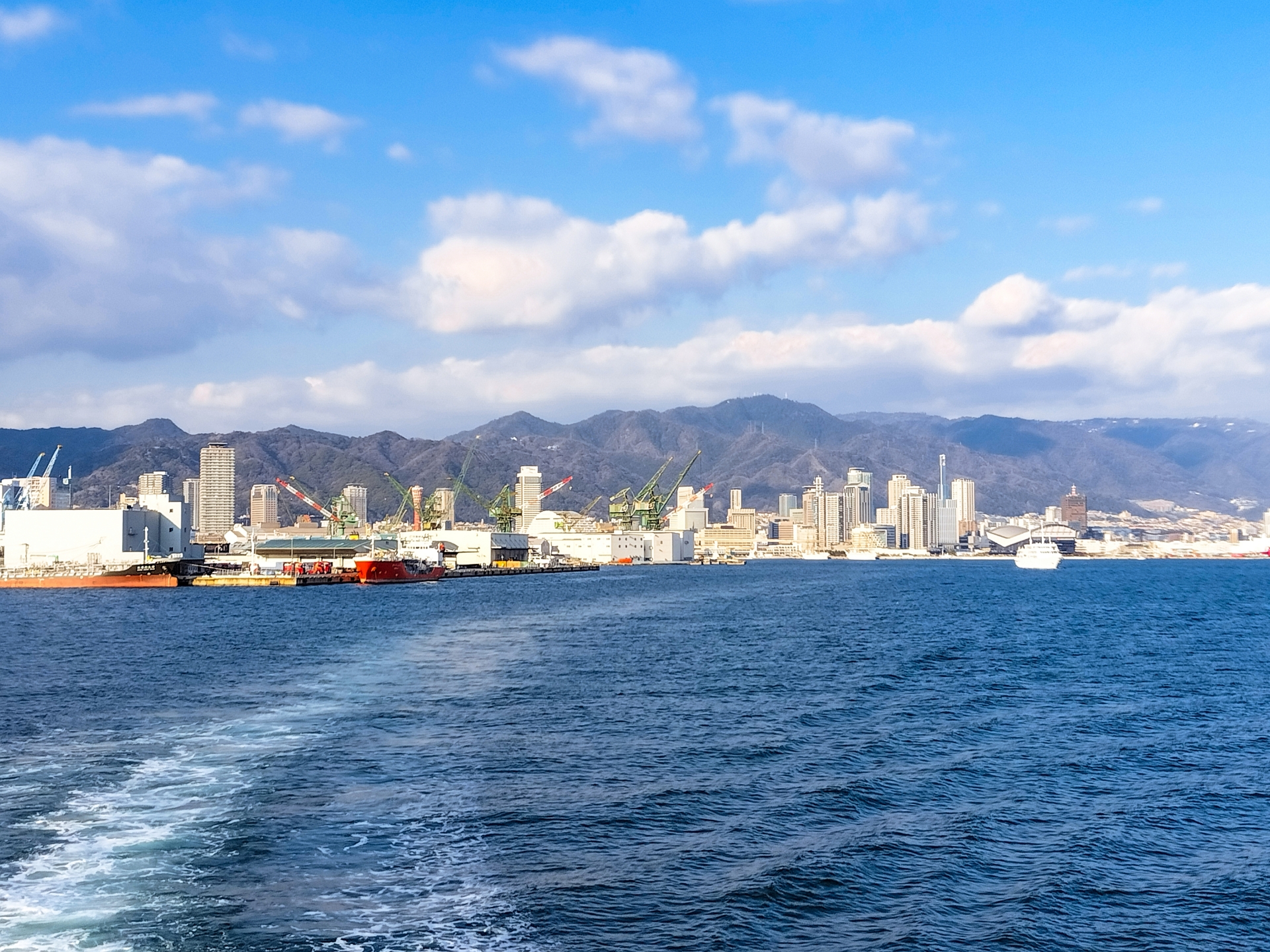
Kobe is a city that defies simple horizontal logic. It is a vertical masterpiece, squeezed between the emerald peaks of the Rokko Mountains and the deep blue of the Osaka Bay. At the absolute centre of this dynamic geography lies Chuo-ku.
Chuo-ku is more than just an administrative district; it is the economic engine of Hyogo Prefecture and the stage upon which Kobe’s future is being built. From the century-old stone facades of the Former Foreign Settlement to the cutting-edge medical clusters on man-made islands, this ward represents the soul of a city that refuses to stand still.
- Sannomiya: The Nexus of Hyogo’s Vitality
- The Waterfront Evolution: Beyond the Postcard
- “Haikara” Heritage: Kitano and the Former Settlement
- Nankinmachi: The Compact Heat of Motomachi
- Port Island: Correcting the “Ghost Town” Myth
- Kobe Airport: The International Gateway
- Conclusion: A City That Continues to Rise
Sannomiya: The Nexus of Hyogo’s Vitality
Any exploration of central Kobe must begin at Sannomiya. Serving as the primary transport hub for the entire prefecture, Sannomiya is where six different railway lines converge in a whirlwind of energy. It is the point where the city’s diverse crowds—students, business professionals, and international travellers—intermingle.
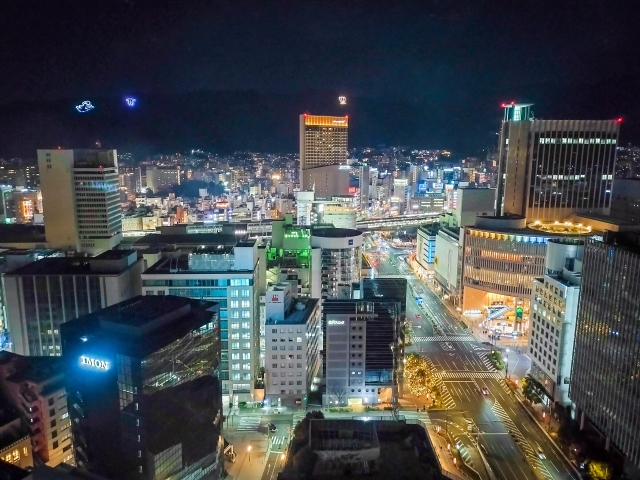
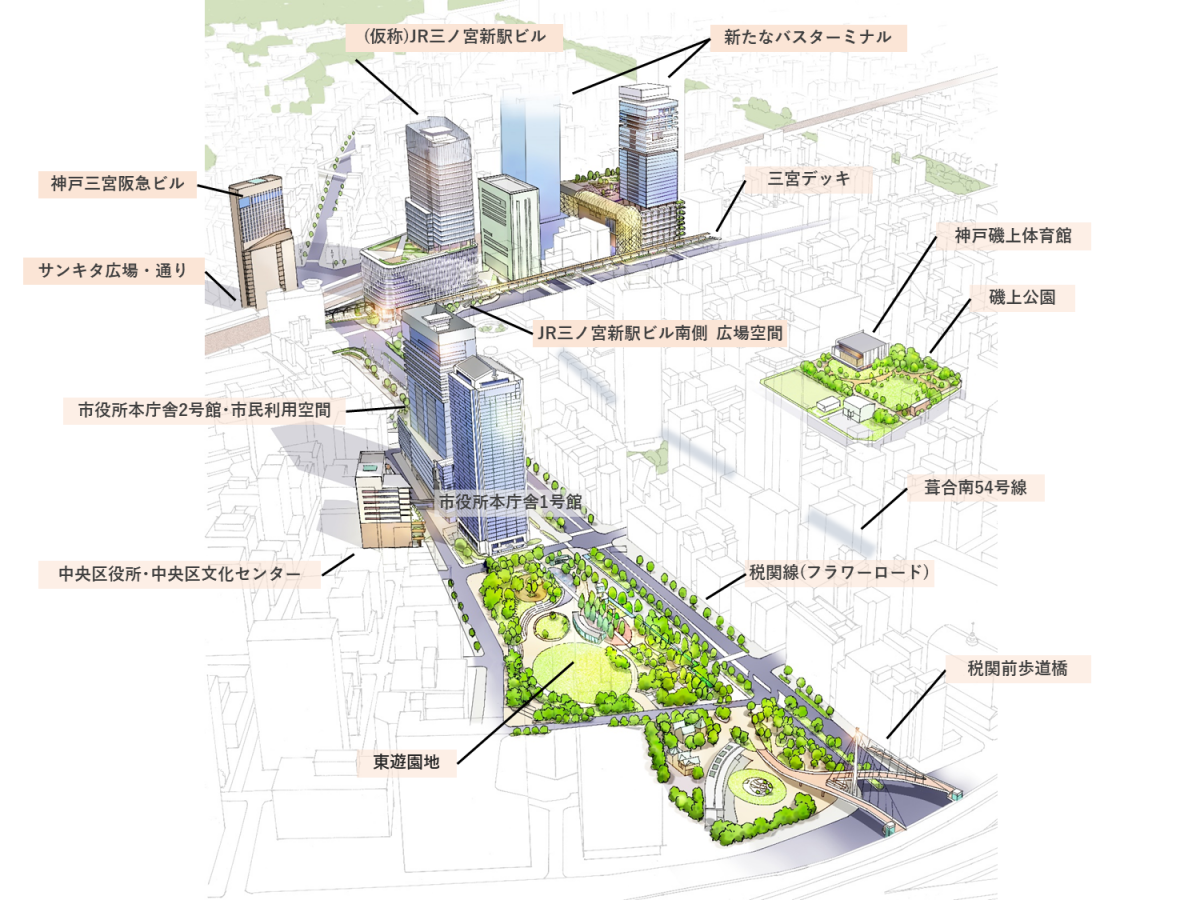
Currently, Sannomiya is undergoing a “once-in-a-century” redevelopment programme. While the construction cranes are a temporary fixture of the skyline, they signal a massive shift towards a more pedestrian-friendly, sophisticated urban core. We are witnessing the birth of new “Plazas” and upgraded station buildings that will redefine how we navigate the city. For a local, the nostalgia for old landmarks like the original Hankyu building is balanced by the genuine thrill of seeing a more modern, accessible Sannomiya emerge.
The Waterfront Evolution: Beyond the Postcard
For decades, the image of Kobe was defined by the red lattice of the Port Tower and the mosaic of Harborland. However, the true story of the waterfront has moved further east to the Shinkouchou and Shinkou Pier districts.
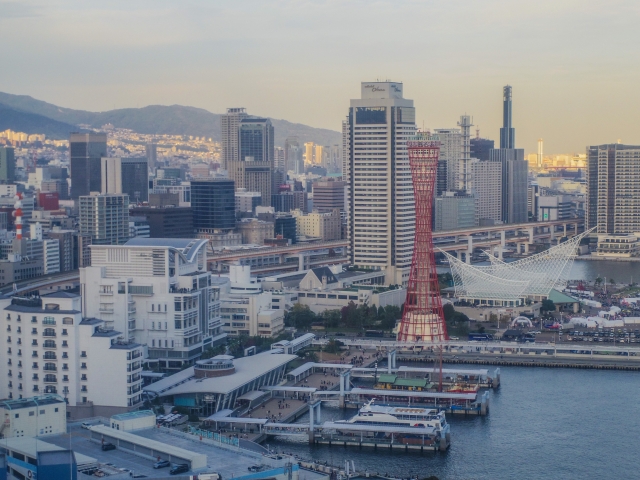
- The 2025 Milestone: The opening of the new multi-purpose arena in 2025 has breathed fresh life into the eastern waterfront, turning it into a premier destination for entertainment and sports.
- LRT and Connectivity: One of the most anticipated developments is the planned introduction of an LRT (Light Rail Transit) system. This will seamlessly link Sannomiya to the Shinkouchou district and Kobe Station, encouraging people to explore the “Waterfront Axis” rather than staying confined to the station areas. It is a bold vision of a “walkable” city that respects its maritime heritage while embracing 21st-century mobility.
- This is a link for Water front grand design for upcoming 15~20 years 20250528173030.pdf
“Haikara” Heritage: Kitano and the Former Settlement
Kobe’s reputation as a “Haikara” (high-collar/sophisticated) city is most visible in two distinct neighbourhoods that tell the story of the city’s opening to the world in 1868.
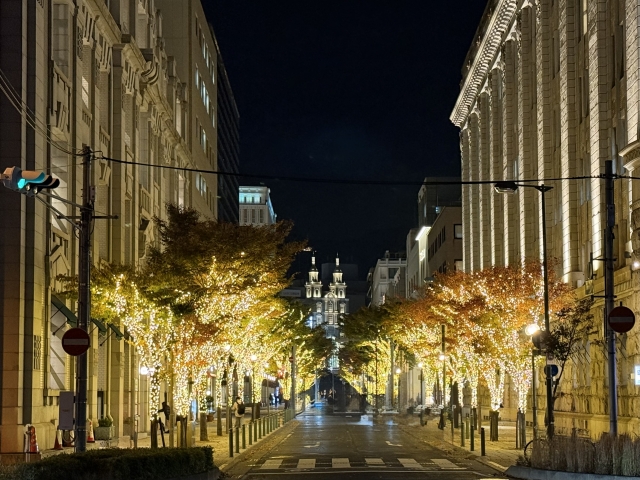
- The Kyu-kyoryuchi (Former Foreign Settlement): This area was originally the business hub for Western merchants. Today, its grand stone buildings have been meticulously preserved, housing high-end global brands and prestigious offices. It feels more like a corner of London or Paris than a typical Japanese business district.
- Kitano-cho: Perched on the foothills of the mountains, this was where the foreign residents built their “Ijinkan” (residences). While it is a major tourist draw, parts of Kitano remain an exclusive residential area, where the air is still filled with a quiet, dignified elegance.
Nankinmachi: The Compact Heat of Motomachi
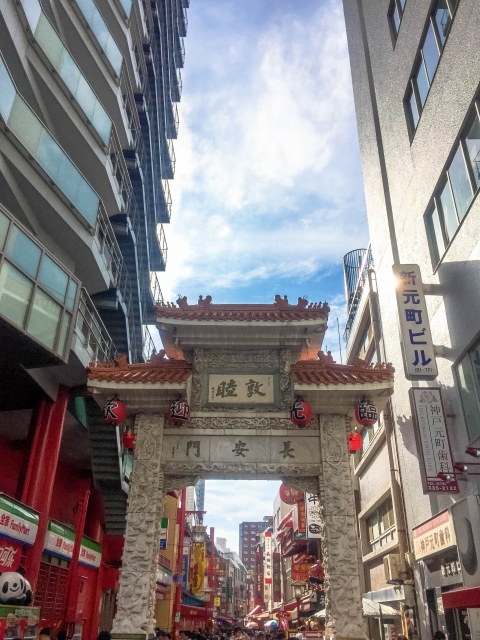
If the Former Settlement represents “Western” influence, Nankinmachi (Chinatown) represents the vibrant multiculturalism of the East. Unlike the sprawling Chinatowns of Yokohama or San Francisco, Kobe’s version is incredibly compact.
This density is its greatest strength. The “heat” of the street food stalls, the shouting of vendors, and the scent of steamed buns create a sensory overload that proves Motomachi is still the cultural beating heart of the city. It is a place that feels “alive” in a way that modern shopping malls can never replicate.
My recommendation is the pork buns from 老祥記 (Roushouki). It’s such a popular shop that there’s always a line, so be sure to check it out.
Port Island: Correcting the “Ghost Town” Myth
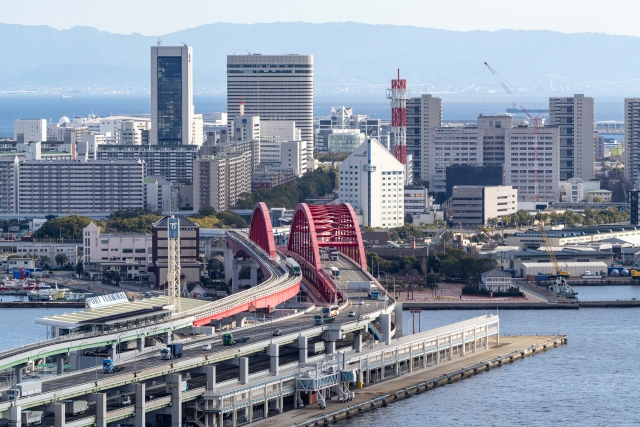
Perhaps no part of Kobe is more misunderstood than Port Island. In the 1960s and 70s, Kobe captured the world’s attention with the “Mountain Goes to Sea” concept—levelling hills to create residential land and using the soil to build this massive artificial island.
Recently, certain internet narratives and YouTube videos have unfairly labelled Port Island as a “ghost town.” This is a profound misunderstanding of the island’s current organisation. Following the 1995 earthquake, Port Island successfully transitioned into the Kobe Biomedical Innovation Cluster (KBIC)—Japan’s largest medical research hub. With over 350 companies and the presence of the supercomputer “Fugaku,” the island is a global frontier for science. While the residential areas have aged, the “business and research” vitality of the island is at an all-time high. It is a place of quiet, intellectual power, not abandonment.
Kobe Airport: The International Gateway
For years, critics questioned the capacity and necessity of Kobe Airport (Marine Air). However, its sheer convenience—being only 18 minutes from Sannomiya by Port Liner—has made it an indispensable asset for the Kansai region and visitors from Shikoku.
- The 2025 Internationalisation: April 2025 marked a historic turning point as the airport finally opened its doors to international flights.
- 2030 Vision: With plans for regular international scheduled flights by 2030, Kobe is finally shedding its image as a “domestic-only” hub. The sight of planes taking off against the backdrop of the Kobe skyline is a powerful symbol of the city’s renewed global ambition.
Conclusion: A City That Continues to Rise
Chuo-ku is not a finished museum piece; it is a living, breathing laboratory of urban planning. It is a place where you can eat a 100-yen croquette in a bustling alleyway, then walk ten minutes to a high-end luxury boutique, all while catching glimpses of the sea between the skyscrapers.
This balance of history, grit, and futuristic vision is why Chuo-ku remains the most sought-after address in the region. As we look west towards our next stop, we leave behind a “City Centre” that is truly at the height of its powers.