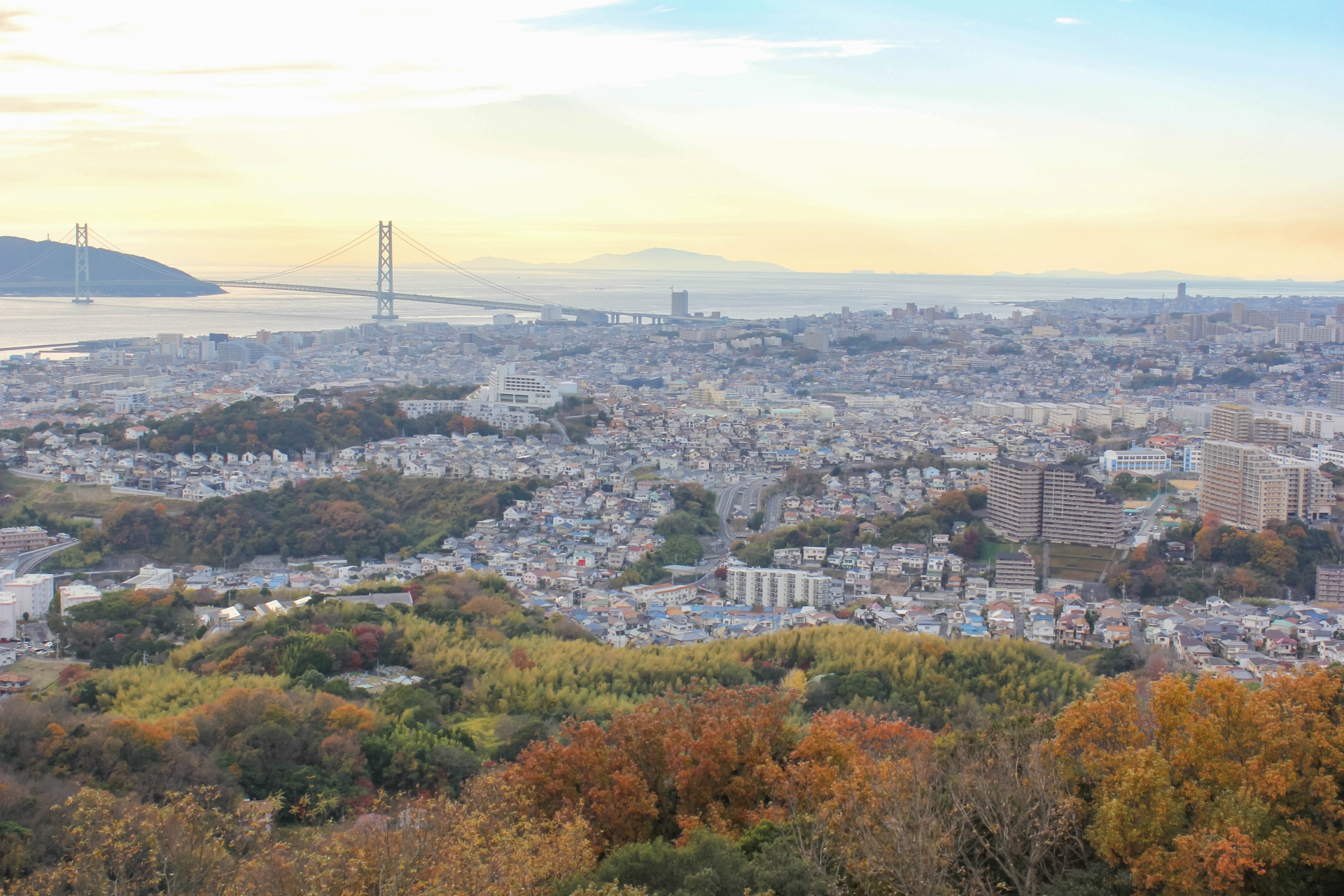
When many people imagine Kobe, they see a city defined by its harbour and cosmopolitan streets. However, to truly understand the soul of this region, one must travel through the heart of the Rokko Mountains. Behind the granite peaks lies Kita-ku (the North Ward)—a vast, emerald expanse that serves as the spiritual and agricultural lungs of the city.
Kita-ku is a world away from the neon lights of Sannomiya. It is a place of ancient healing, where hot springs have bubbled for millennia; a land of “Satoyama” (rural borderlands), where thatched roofs still dot the landscape; and a vital agricultural engine that produces some of the world’s most prized ingredients. If you think you know Kobe, but haven’t ventured through the tunnels to the north, you are only seeing half the picture.
Arima Onsen: The Hidden Crown Jewel of Kobe
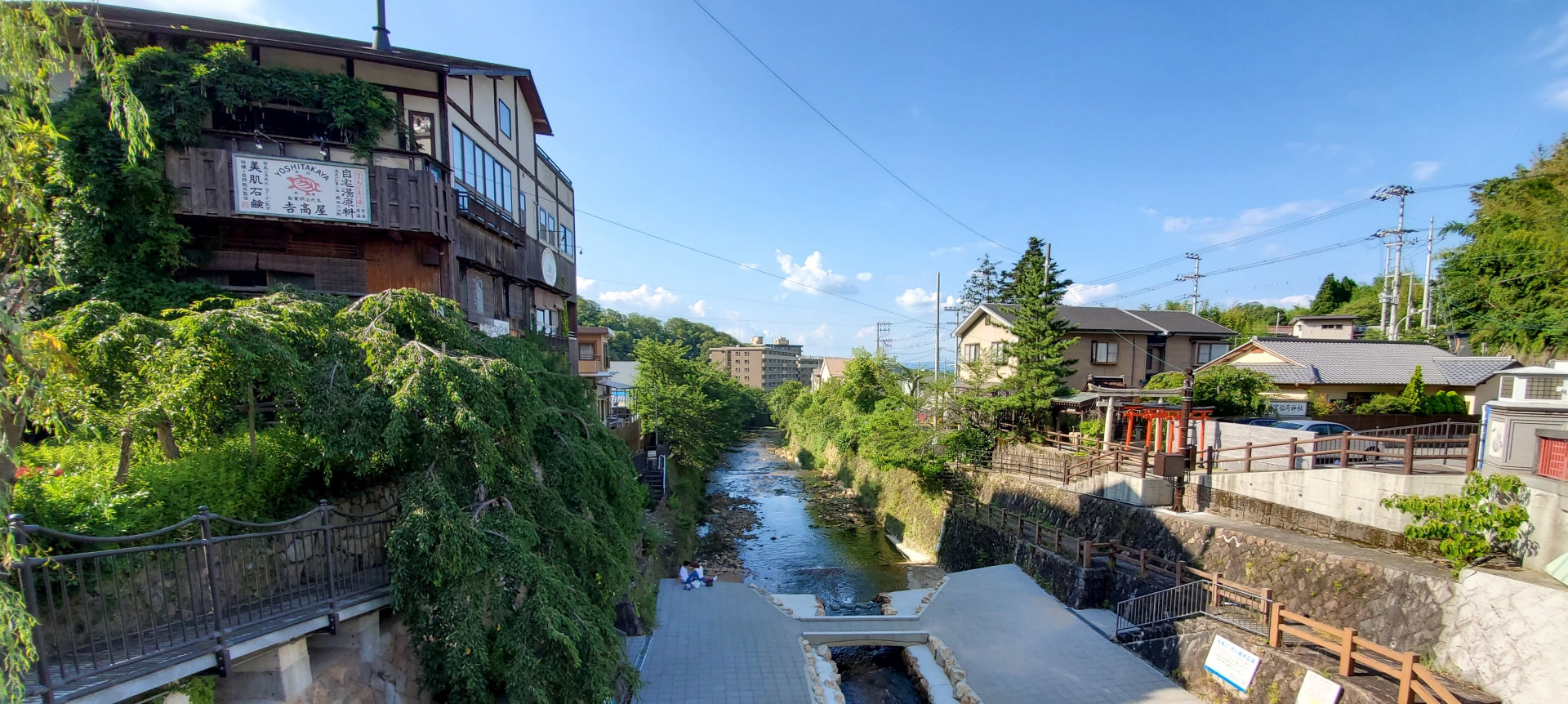
The most famous resident of Kita-ku is, undoubtedly, Arima Onsen. For international visitors, there is often a misconception that Arima is a separate mountain village far removed from the city. In reality, it is a proud part of Kobe, accessible in just 30 minutes from the city centre.
While direct buses run from Osaka to Arima, I must offer a stern piece of advice: Do not “Skip Kobe.” By bypassing the city and heading straight to the hot springs from Osaka, you miss the incredible transition that defines our geography.
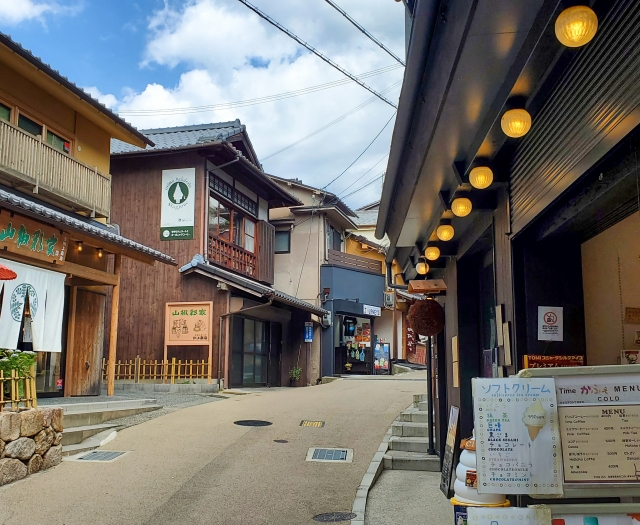
Arima is one of Japan’s “Three Ancient Springs,” and its history is deeply intertwined with the imperial family and the Great Unifier, Toyotomi Hideyoshi. The town itself is a masterpiece of wooden architecture, with narrow, winding streets that trap the rising steam from the springs. Walking through the town with a local snack in hand is the quintessential Japanese experience. From the iron-rich “Kinsen” (Golden Spring) to the clear, radium-rich “Ginsen” (Silver Spring), the healing waters here offer a level of traditional luxury that feels remarkably disconnected from the modern port below—yet both are fundamentally Kobe.
The Living Museum: 600 Ancient Thatched Roofs
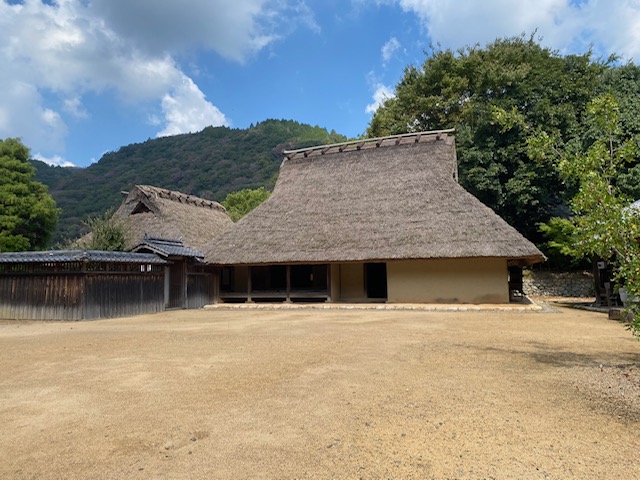
One of Kita-ku’s best-kept secrets is its status as a protector of traditional Japanese architecture. The ward is home to over 600 Kayabuki (thatched roof) houses, one of the highest concentrations in the country.
To see these houses nestled against the backdrop of rolling rice paddies and misty mountains is to see a landscape that has remained largely unchanged for centuries. The Hakogi Sennen-ya, considered the oldest private house in Japan, stands as a silent witness to a thousand years of history.
This isn’t just a static museum, however. Kita-ku remains a living community where traditional craftsmanship is still celebrated. Various workshops and events allow visitors to experience “Monozukuri” (the art of making things) first-hand, bridging the gap between ancient rural techniques and modern cultural appreciation. It is a place where the slow pace of life is not a lack of progress, but a conscious choice to preserve beauty.
The Source of the Spirit: Strawberry Fields and Sake Rice
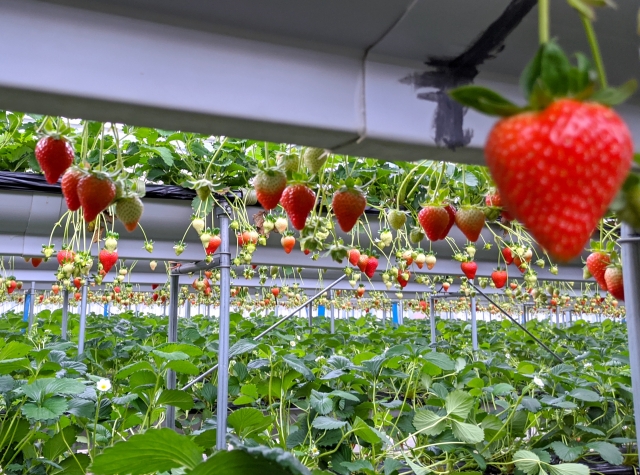
Kita-ku is the garden of Kobe. For local families, “Strawberry Picking” in the spring is a cherished ritual. Being able to experience the bounty of the earth just several tens of minitues away from an international metropolis is a luxury that we often take for granted.
However, the ward’s most prestigious agricultural contribution is Yamada Nishiki. Known as the “King of Sake Rice,” this specific grain is the backbone of the world-famous Nada-Gogo (The Five Villages of Nada) brewing district. My recomendation of Sake is Hakuturu. Discover Higashinada-ku: From Traditional Sake Breweries to Expat Living in Kobe | DiscoverKobe.
While the historic breweries along the coast get much of the fame, the staff at the brewery museums in Nada are quick to remind you: exceptional sake requires three things—pristine water from the Rokko Mountains, the skill of the brewers, and the Yamada Nishiki rice grown right here in Kita-ku. The geography of the ward, with its significant temperature fluctuations between day and night, provides the perfect climate for this elite grain. When you sip a glass of Kobe’s finest sake, you are tasting the soil and the hard work of the northern farmers.
Shiawase no Mura: The Village of Happiness
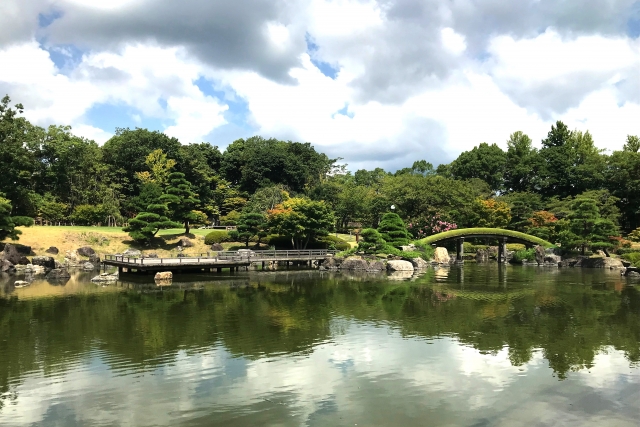
For residents, the heart of the ward’s leisure life is Shiawase no Mura (The Village of Happiness). This massive 205-hectare park is a multi-purpose sanctuary offering everything from sports facilities and BBQ pits to its own hot spring baths.
As a fan of the game, I often find myself watching youth football matches held on the park’s pristine grass pitches. The quality of the facilities here is exceptional, providing a professional-grade environment for the next generation of players. The onsen within the park also has a unique, welcoming concept that is well worth a visit.
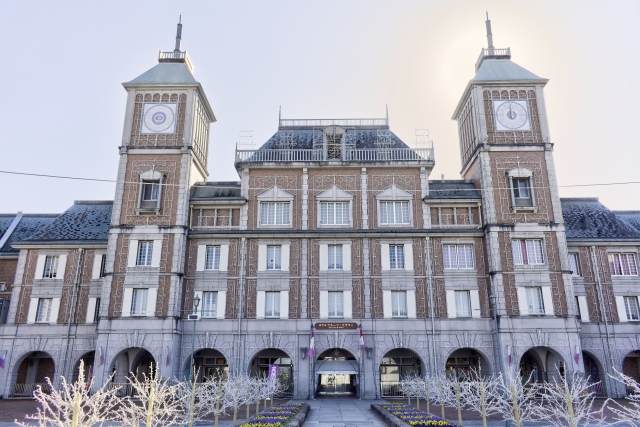
Adjacent to this lifestyle hub is one of the region’s major shopping attractions: the Kobe Sanda Premium Outlets. Along with the massive Aeon Mall nearby, this area ensures that living in the north doesn’t mean sacrificing convenience. For a Kobe citizen, this is a place where you can go for a morning hike, an afternoon of high-end shopping, and an evening soak in the springs without ever leaving the ward.
The Portal Effect: Tunnels and the Climate Divide
The journey into Kita-ku is an experience in itself. Whether you drive through the incredibly long Shin-Kobe Tunnel or take the scenic route through the Rokko Tunnel, the transition is jarring. I always advise drivers to keep their eyes on the road, as the sudden reveals of the mountain vistas are breathtakingly dynamic.
What is most shocking to visitors—and even long-time residents—is the climate divide. Because the Rokko Mountains block the warm sea breezes, the temperature in Kita-ku can be as much as 5 degrees lower than in the city centre.
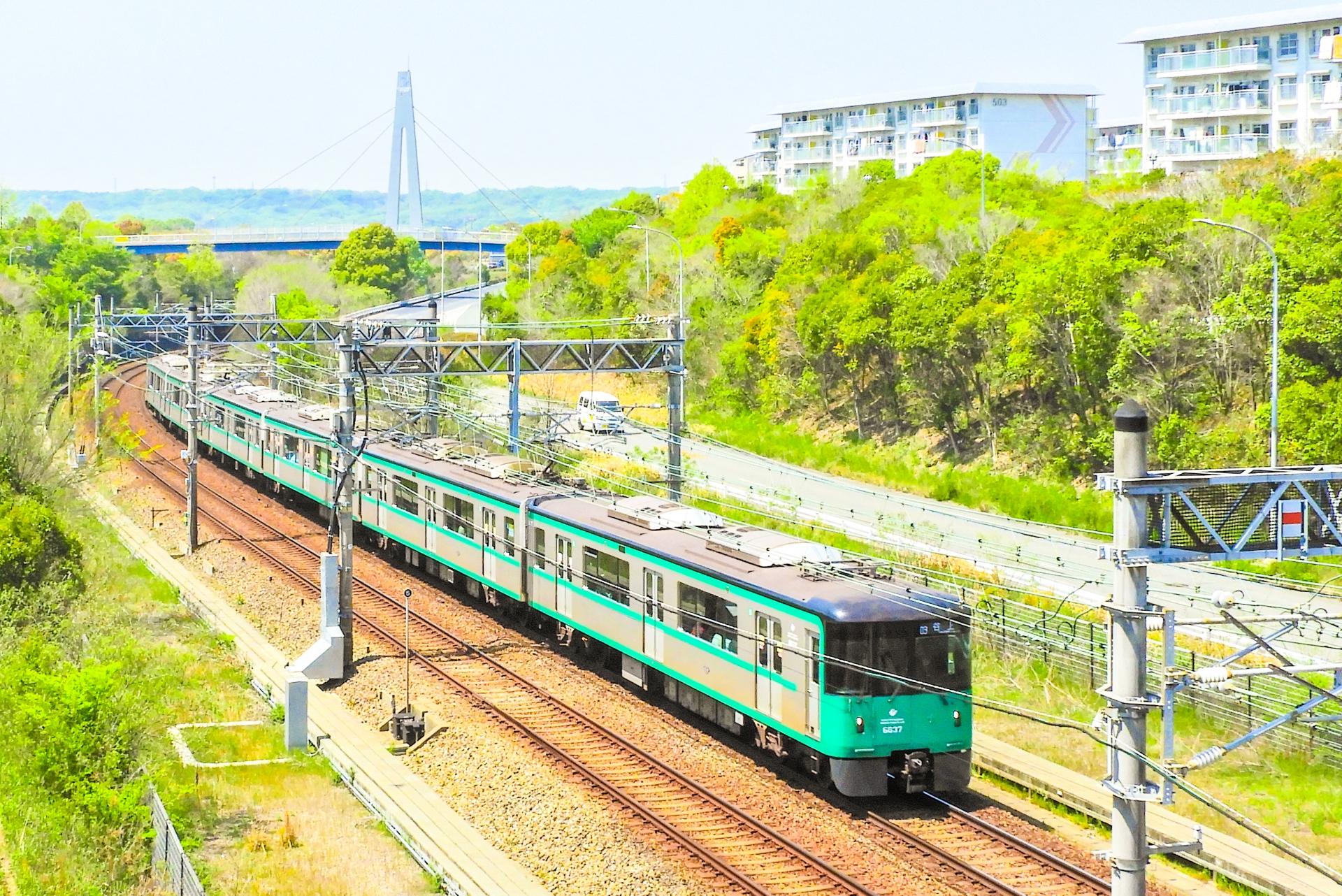
I remember a specific journey on the subway from Sannomiya to Tanigami. When I got on the train at Sannomiya, it was a typical, grey winter day. But as the train emerged into Tanigami on the other side of the mountain, the world had turned completely white. A silent, thick blanket of snow covered everything in sight. This “Portal Effect” is one of the most magical aspects of Kita-ku—it offers a true four-season experience that the coastal side of Kobe rarely sees.
Conclusion: The Essential Contrast
Kita-ku is the necessary counterpoint to Kobe’s urban energy. It provides the water for our sake, the rice for our tables, and the healing springs for our tired spirits. It is a ward that demands you slow down and look at the “other” Kobe—the one that smells of pine needles, wood smoke, and fresh mountain air. To truly love Kobe is to love its mountains and the resilient, beautiful world that thrives behind them.