When people think of Kobe, they often envision the sleek skyscrapers of Sannomiya or the industrial majesty of the port. However, to find the true soul of the city’s relationship with nature and history, one must travel west to Suma-ku.
Suma is a district of extraordinary contrasts. It is a place where the emerald slopes of the mountains literally collide with the sapphire waters of the Seto Inland Sea. It is a ward where you can stand on a high-tech aquarium deck in the morning and walk through a 12th-century battleground in the afternoon. For a local, Suma is not just a destination; it is a source of immense pride and a reminder of Kobe’s timeless elegance.
- The Poetic Heritage: From Hyakunin Isshu to Modern Pride
- Echoes of the Genpei War: The Drama of Ichi-no-Tani
- The Urban Blue: A Natural Beach at the City’s Doorstep
- Imperial Elegance: Suma Rikyu Park
- High-Altitude Thrills: Sumaura Sanjo Amusement Park
- The Two Faces of Suma: Nostalgia and the “Renovation Kobe” Initiative
- Conclusion: The Perfect Escape
The Poetic Heritage: From Hyakunin Isshu to Modern Pride
The cultural significance of Suma is etched into the very fabric of Japanese literature. For centuries, its lonely, beautiful coastline was a favourite subject for poets. Most notably, Suma is immortalised in the Hyakunin Isshu—the classical anthology of one hundred poems.
As a Kobe citizen, there is a profound sense of pride in knowing that our local scenery was cherished by the imperial court over a millennium ago. I must admit, however, that the reality of the Hyakunin Isshu is somewhat humbling. Like many, I once attempted to memorise these poems to connect with my heritage, only to find the archaic grammar and complex wordplay of middle-age’s Japanese a formidable challenge. I eventually gave up on the memorisation, but my appreciation for the “Wabi-Sabi” (the beauty of transience) that these poets felt while looking at the Suma shore remains stronger than ever.
Echoes of the Genpei War: The Drama of Ichi-no-Tani
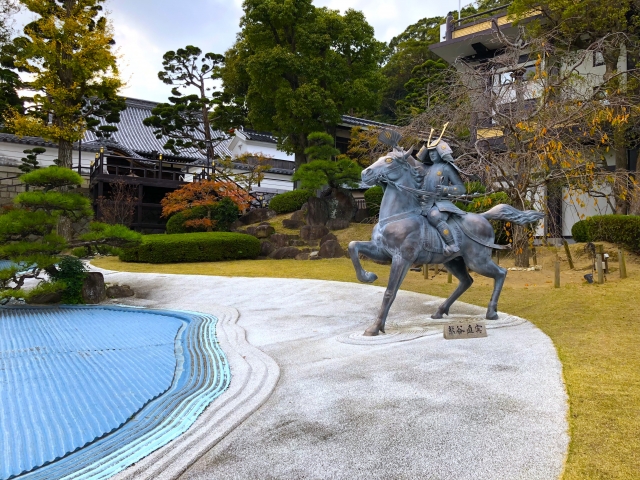
History in Suma is not confined to dusty books; it is written in the landscape. One of the most famous turning points in Japanese history—the Genpei War—reached a dramatic battle here. The Battle of Ichi-no-Tani saw the Minamoto clan launch a daring, near-impossible cavalry charge down the steep, treacherous cliffs of the Suma mountains to surprise the Taira clan stationed below.
Even today, looking up at the sheer drop of the hills from the coastline, the bravery (or madness) of that manoeuvre is staggering. For history enthusiasts, Sumaura Park(須磨浦公園 – 神戸市公園緑化協会 – 神戸の公園ナビ )is an essential pilgrimage site. Here, you can find monuments and stone markers commemorating the fallen warriors and the strategic positions of the battle. Standing there, between the silent mountains and the roaring sea, you can almost hear the echoes of the samurai past.
The Urban Blue: A Natural Beach at the City’s Doorstep
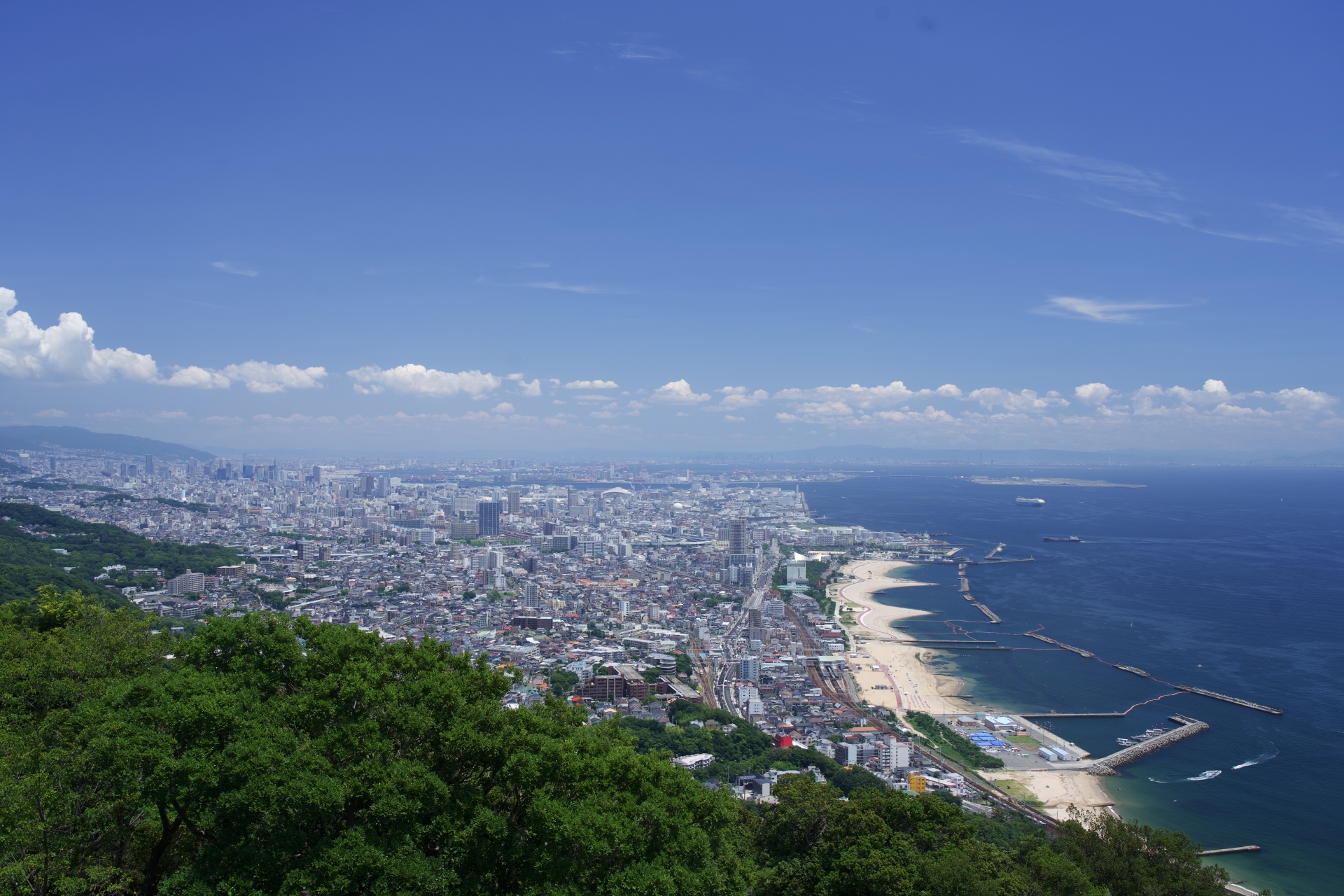
One of the most unique features of Kobe—and something that sets it apart even from larger metropolises like Osaka—is the accessibility of its natural beach. In most major global cities, a trip to a pristine beach requires a long trek. In Suma, the sea is quite literally at the station’s exit.
When you depart from JR Suma Station, the platform offers an immediate, breathtaking view of the sand and surf. Every time I visit, I find myself remarking on just how close it is—you step off the train and, within seconds, your feet are near the water. While there were concerns regarding water quality in the past due to its urban location, recent years have seen a remarkable improvement. The water is visibly clearer, a testament to the city’s environmental efforts.
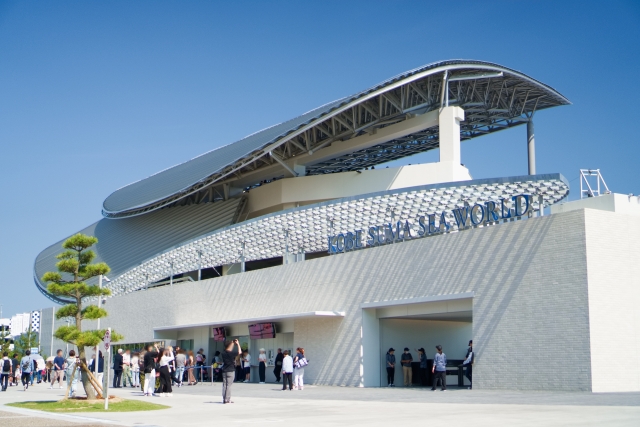
The waterfront underwent a massive transformation in 2024. The reopening of the Suma Sea World and the surrounding seaside park has modernised the area while maintaining its charm. I visited during its opening year and was deeply impressed by the well-defined concept of the exhibits. From the “Dolphin Touch” experiences to the new ocean-view hotel situated directly on the shore, the area has transitioned into a world-class resort zone. While some long-time residents may feel a pang of nostalgia for the old “Suma-Sui” aquarium, the new facilities provide a level of comfort and excitement that ensures Suma’s future as a premier destination. Wait, I almost forgot to mention iconic character of suma sea world, which is a Orca. There is a Orca show rarely seen in Japan. Also, from the restrant located just behind the Orca pool, you can see the Orca swimming gorgiasly in large pool, having a decent Buffet style meal.
Imperial Elegance: Suma Rikyu Park
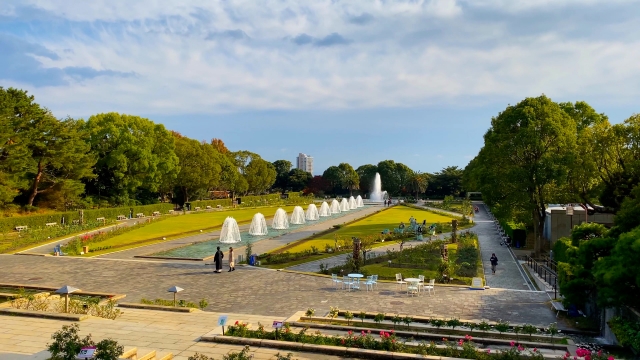
If the beach represents the “Blue” of Suma, Suma Rikyu Park represents its “Green” and “Gold.” Located on the mountainside, this park occupies the former site of an Imperial Villa. The scale of the gardens is truly magnificent, featuring grand European-style symmetrical designs, massive fountains, and a world-renowned rose garden.
Every time I visit, the sheer luxury of the architecture and the meticulously maintained gardens take my breath away. It is a place that demands you slow down. Whether it is the cherry blossoms in spring or the vibrant maples in autumn, Rikyu Park offers a dignified, regal atmosphere that contrasts perfectly with the youthful energy of the beach below.
High-Altitude Thrills: Sumaura Sanjo Amusement Park
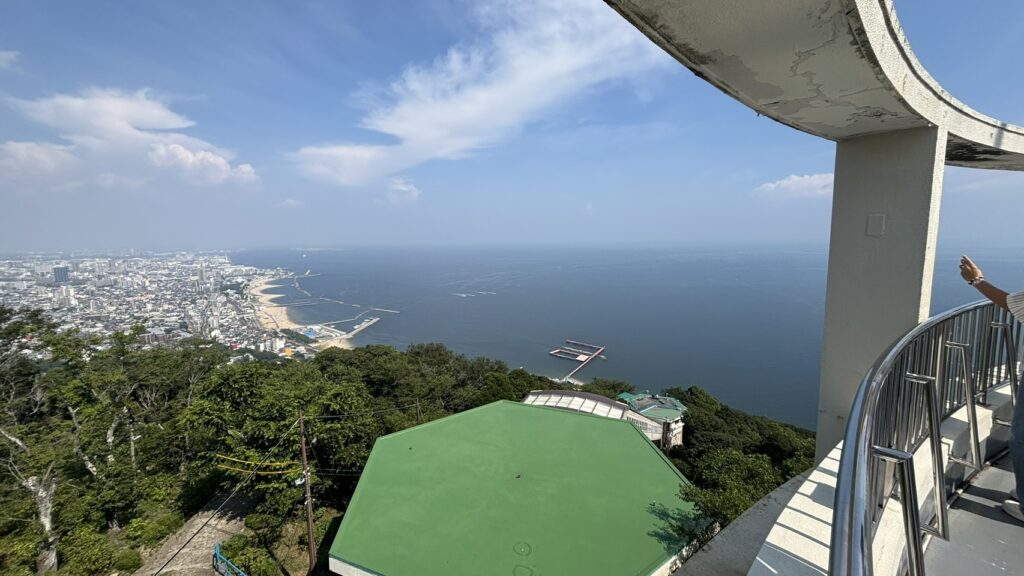
To truly grasp the dynamic topography of Suma, one must ascend. The Sumaura Sanjo Amusement Park is perhaps the most “Kobe” facility in existence. It makes unapologetic use of the city’s steep terrain.
The journey up is an adventure in itself. First, you take a ropeway that offers a dizzying view of the approaching mountains and the receding sea. Then, you board the “Caretator”—a legendary piece of machinery famous for being the “world’s roughest ride.” It is clunky, jolting, and entirely charming in its retro-defiance of modern smoothness.
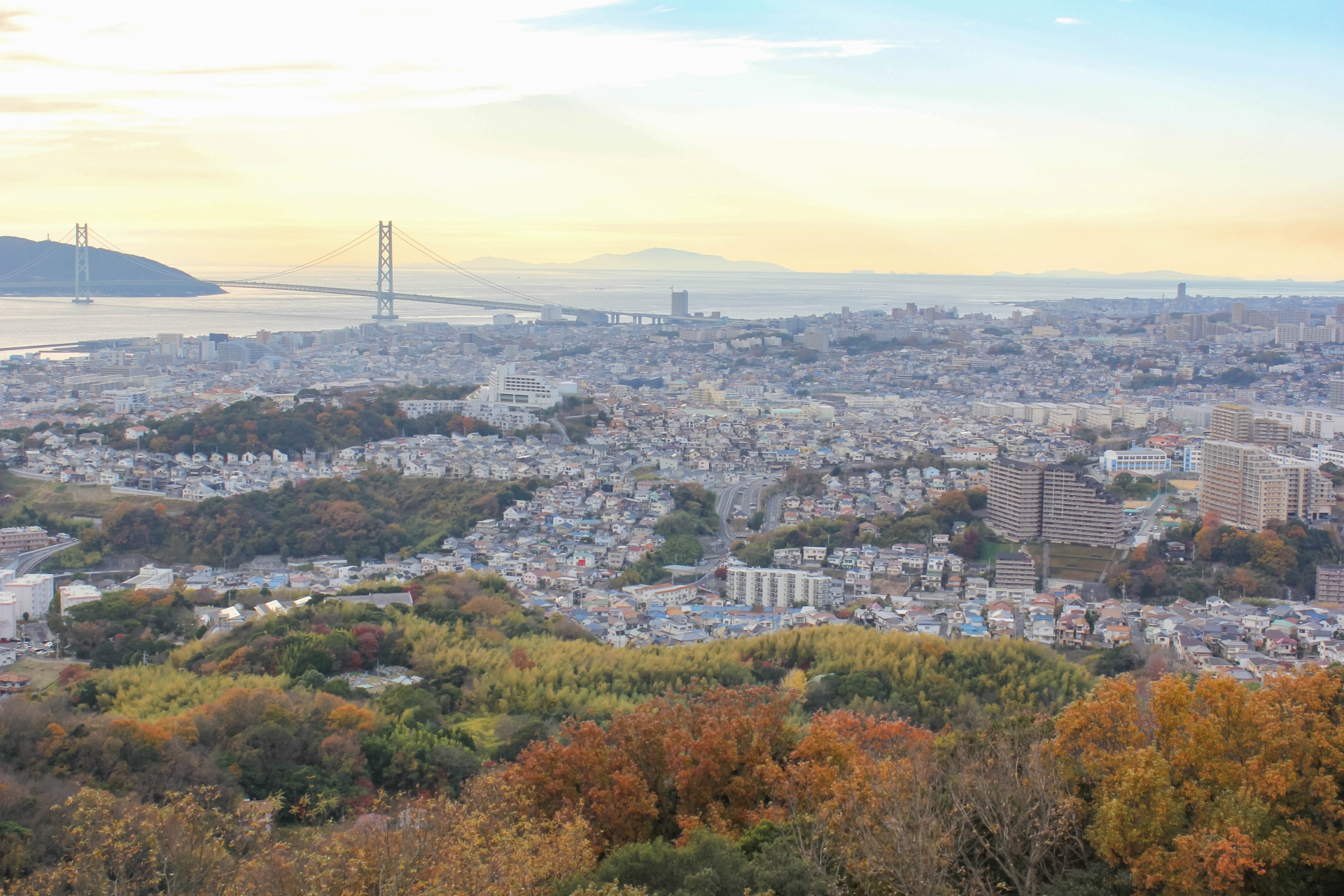
At the summit, the 360-degree revolving observation deck provides a panoramic view that is unrivalled. From here, you can see the Akashi Kaikyo Bridge stretching towards Awaji Island, the dense residential valleys of the new towns like Myodani, and the distant skyscrapers of Sannomiya. It is the only place where you can truly “see” the entire structure of the city in a single rotation.
Sumaura Sanjo Yuen Park | Sumaura Sanjo Yuen Park | 須磨浦山上遊園 There is other attractions like Sightseeing Lift or Cycle Monorail, I did everything there, feeling so great.
The Two Faces of Suma: Nostalgia and the “Renovation Kobe” Initiative
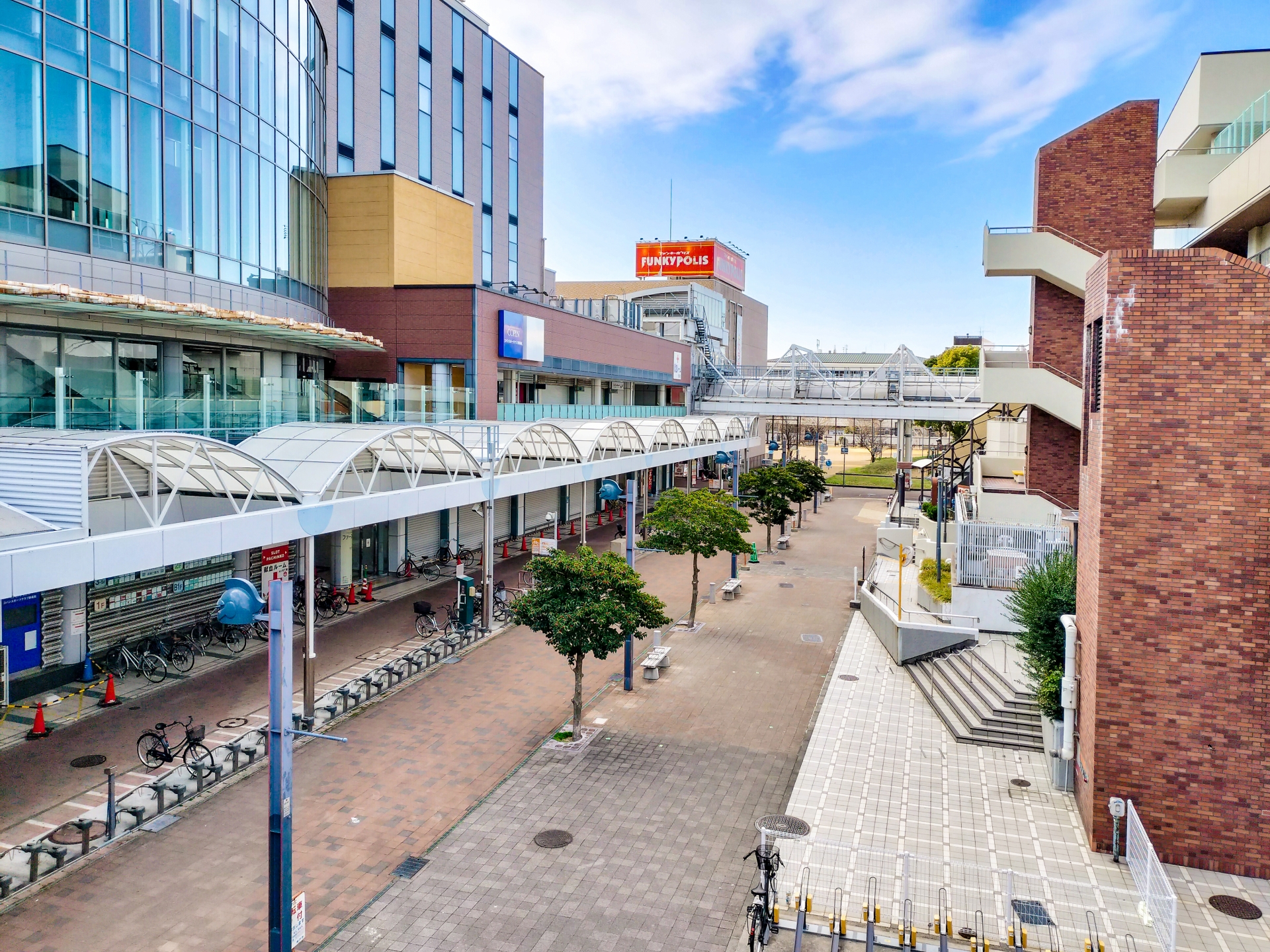
Finally, the residential character of Suma is undergoing a fascinating evolution. The coastal side of Suma retains a nostalgic, “Shitamachi” atmosphere where old houses and narrow streets create a sense of timelessness.
In contrast, the inland areas like Myodani—symbols of Japan’s high-growth period—have faced challenges with aging infrastructure. However, the city has responded with the “Renovation Kobe” initiative. This ambitious project is redeveloping station areas and encouraging the refurbishment of older buildings to attract younger generations. Private developers have taken notice, and the demand for housing in these revitalised zones is surging. For those looking to settle in a place that balances natural beauty with modern convenience, Myodani is becoming a highly sought-after address. Suma Ward, Kobe City : Myodani Revitalization Plan – A Dynamic Multi-generational Town
Conclusion: The Perfect Escape
Suma-ku is a ward that satisfies every part of the human spirit. It offers the intellectual depth of ancient poetry and samurai history, the simple joy of a day at the beach, and the futuristic promise of urban renewal. It is a place where you can feel the history of a thousand years and the excitement of the next century at the same time. In the ever-evolving story of Kobe, Suma remains its most beautiful and enduring chapter.