Introduction: The True Origin Story
If Chuo-ku is the modern face of Kobe, then Hyogo-ku is its ancient soul. To walk through Hyogo-ku is to travel through layers of Japanese history, from the grand ambitions of 12th-century samurai lords to the roaring chants of a modern football stadium. It is a ward that doesn’t just show you its history; it makes you feel it.
Fukuhara-kyo: The Ephemeral Capital and the Natural Harbour
Centuries before Kobe became a global port, it was the site of a bold political experiment. In 1180, the powerful leader Taira no Kiyomori moved the capital of Japan from Kyoto to Fukuhara-kyo, located right here in Hyogo-ku.
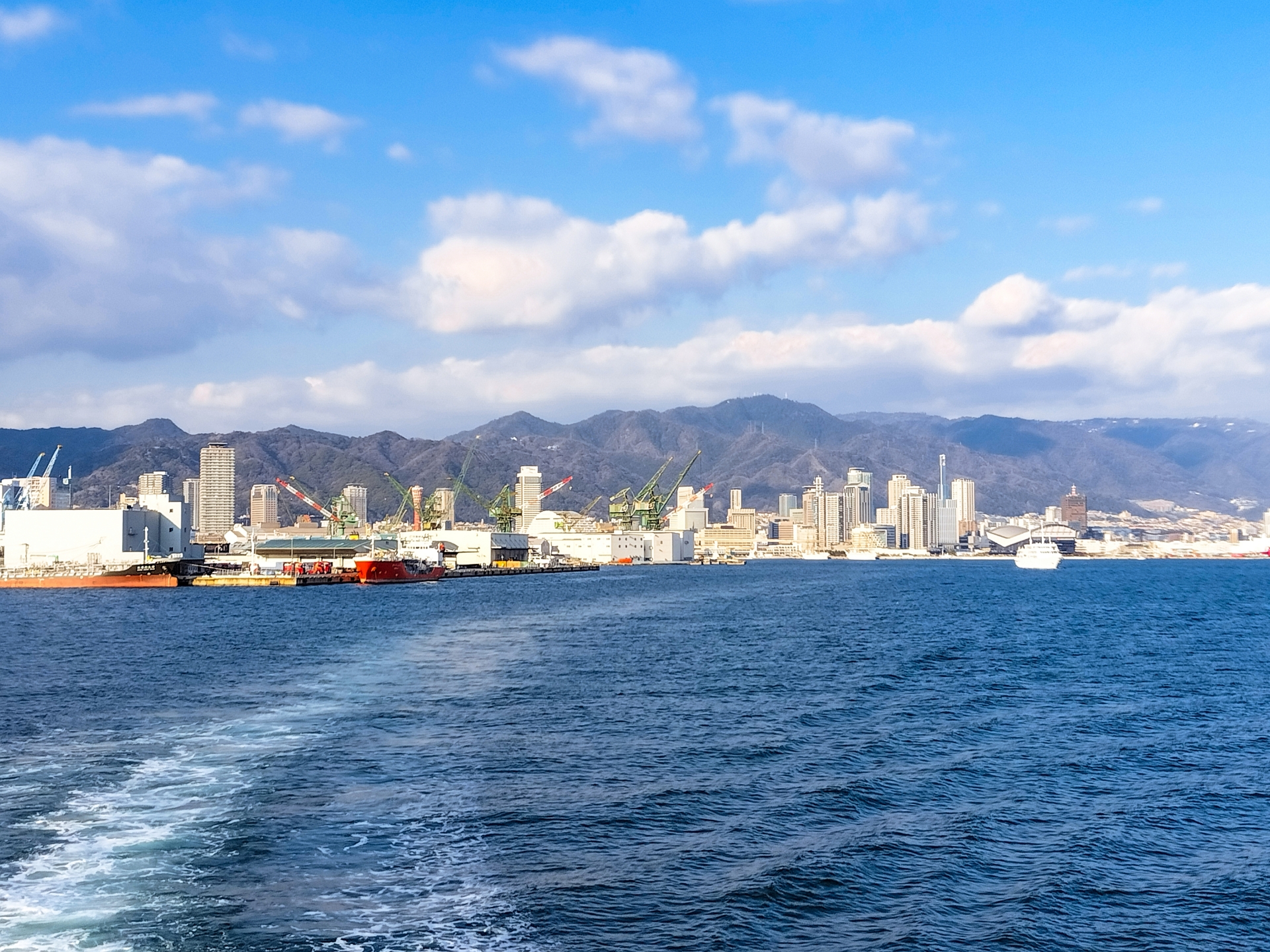
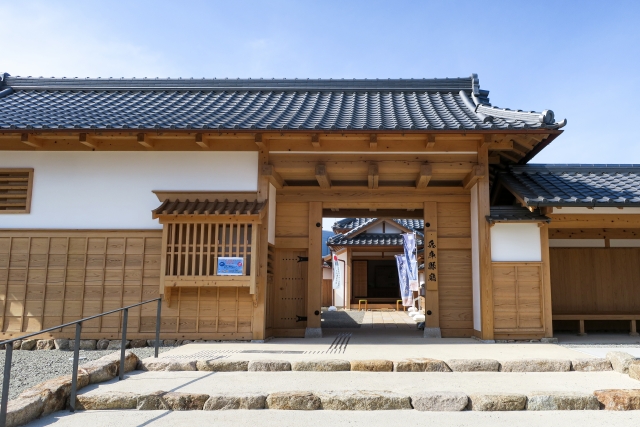
Kiyomori’s vision was driven by the district’s incredible natural harbour, known then as Oowada-no-tomari. He recognised that this sheltered bay was a gateway to trade and power. Although the capital only lasted for six months, that legacy of maritime ambition never left. Today, this historic waterfront continues to thrive as the western portion of the Port of Kobe. For history enthusiasts, visiting the Hyogo-tsu Museum is a fantastic way to bridge the gap between this ancient port and the modern city we see today.
The Great Divide: A Nostalgic Walk from Kobe Station
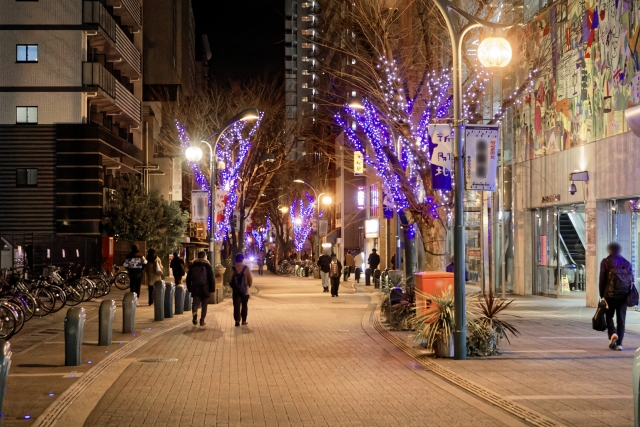
One of the most fascinating urban experiences in Kobe is the simple act of walking west from Kobe Station (the border of Chuo-ku). As you cross into Hyogo-ku, the sleek, glass-and-steel modernism of Sannomiya begins to fade, replaced by the warm, earthy scent of the Showa Era.
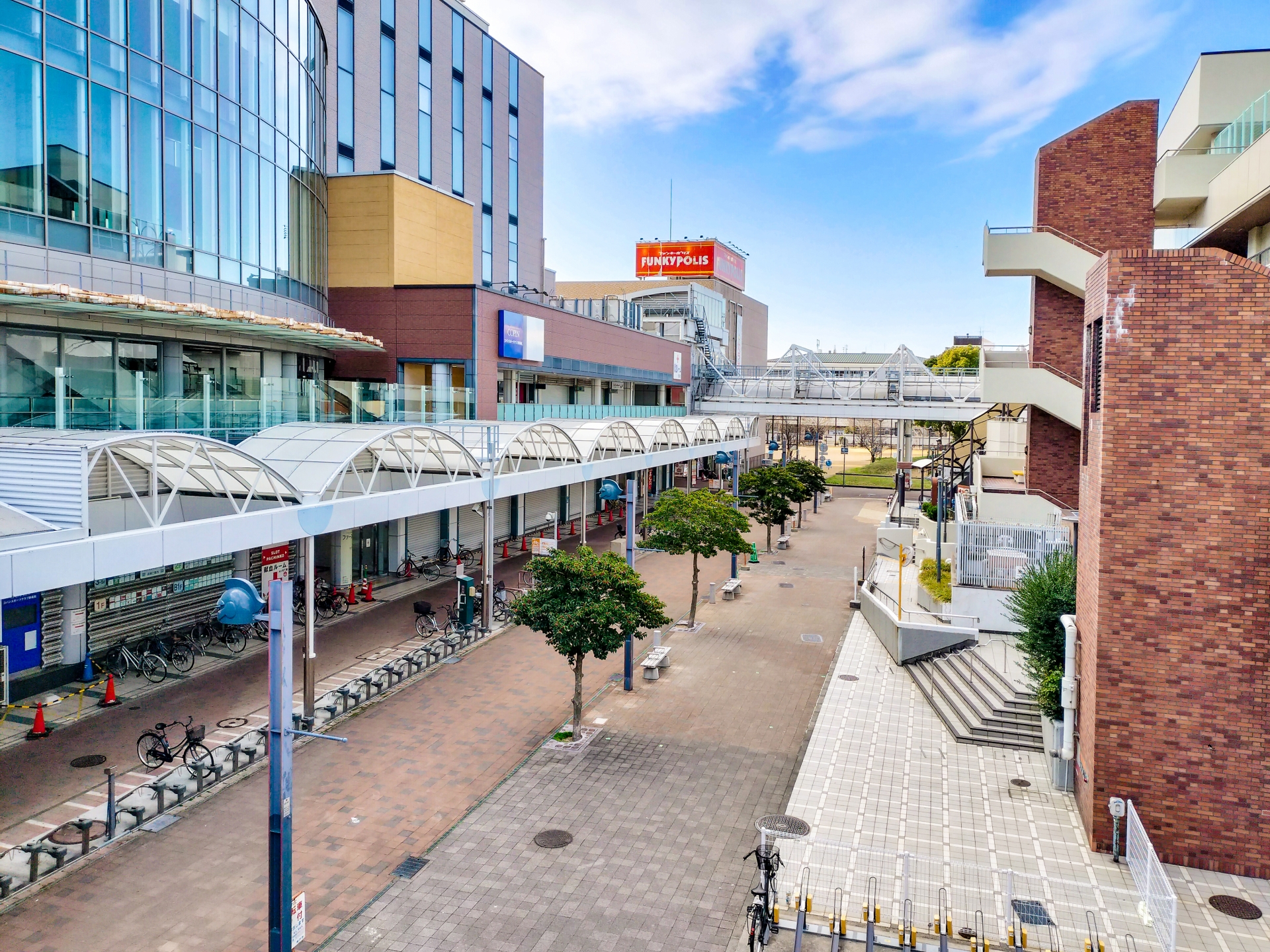
The city undergoes a beautiful transformation. The grand department stores are replaced by traditional shopping arcades and a vast underground mall that feels like a nostalgic time capsule. While some critics point to the shift of administrative and commercial power to Sannomiya since the post-war era, I find this contrast to be one of Kobe’s greatest charms.
There is a profound sense of nostalgia in the “deep” atmosphere of Shinkaichi and Minatogawa. It is a district that prioritises human connection and local grit over sterile efficiency. If Sannomiya is the city’s fancy dress, Hyogo-ku is its comfortable, well-worn denim.
Noevir Stadium: A Symbol of Recovery and Football Excellence
For sports fans, the absolute heart of the district is the Noevir Stadium Kobe. Built for the 2002 World Cup, this stadium was born during a pivotal time when Kobe was still rebuilding from the Great Hanshin-Awaji Earthquake. It became more than just a sports venue; it became a symbol of our city’s resilience.
As a football and rugby-specific stadium, the distance between the pitch and the stands is incredibly close, offering a satisfying experience that is rare in Japan. I vividly remember my first visit—long before the team was the powerhouse it is today. Even back then, when results were difficult, I didn’t fall in love with the scoreline; I fell in love with the atmosphere.
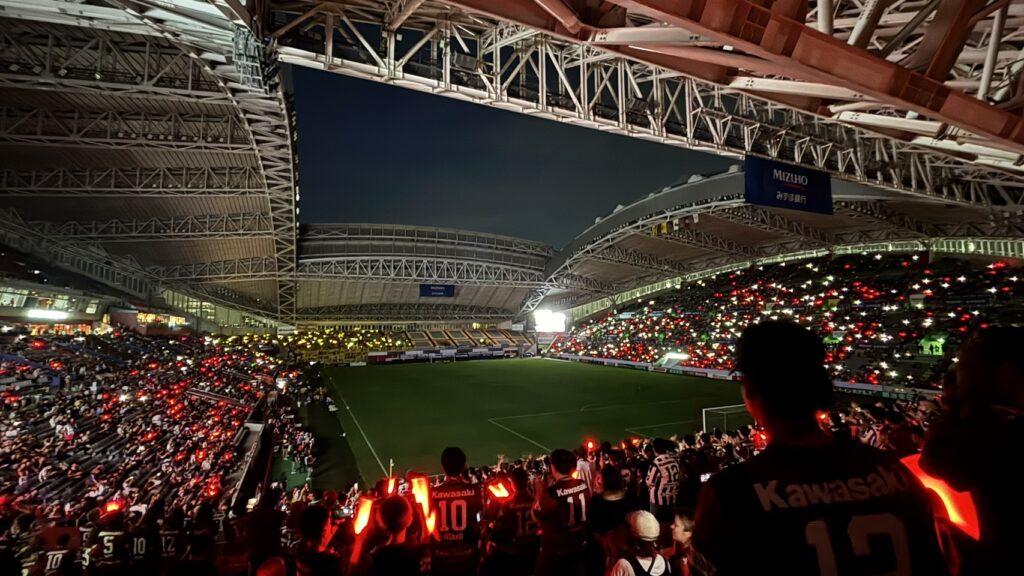
The intensity of the supporters’ voices and the rhythmic clapping echoing under the retractable roof created a sense of community that I had never felt elsewhere. Today, watching the team grow in strength and hearing the volume of the supporters reach unprecedented levels is a source of immense pride. To hear that roar in a stadium built on the foundations of our recovery is a truly moving experience.
The Industrial Heart and the Future
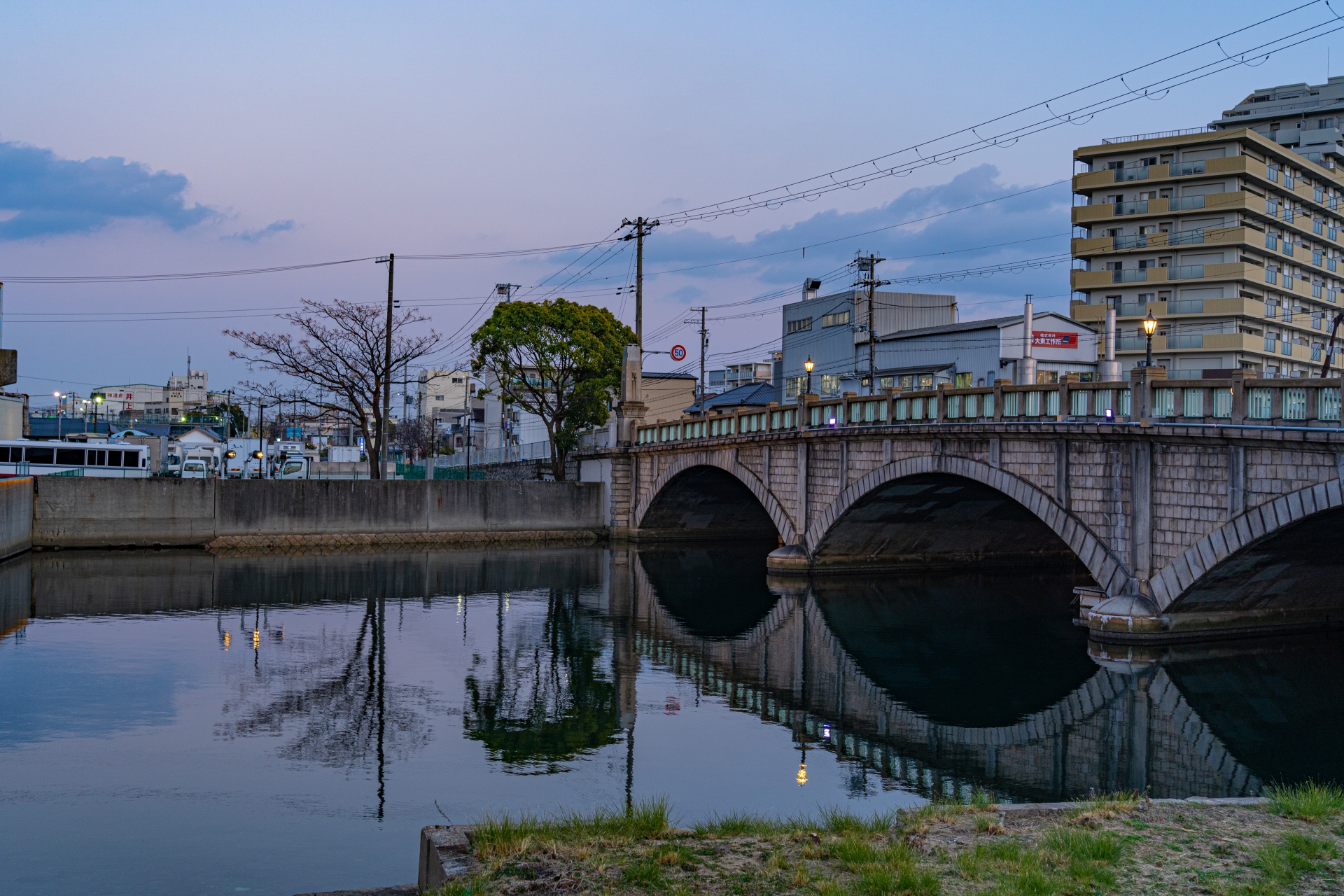
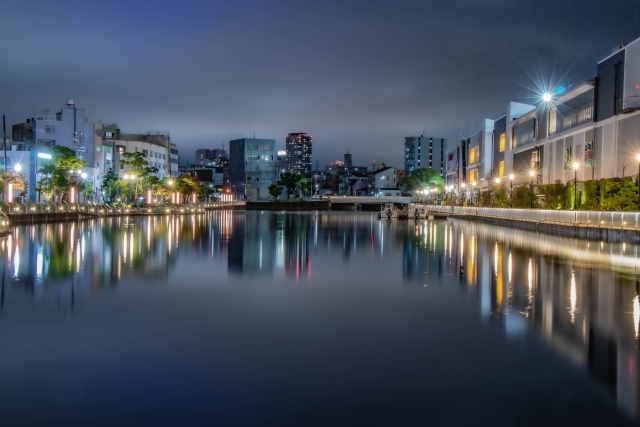
Hyogo-ku also remains a vital industrial hub, with the Hyogo Canal showcasing a unique blend of historical stonework and modern logistics. This area reminds us that Kobe is a city of “making” (monozukuri). Whether it is the heavy industries that support the nation or the small local bakeries serving the favourite snacks of the community, the hardworking spirit of the residents is the true engine of the ward.
Conclusion: Why Hyogo-ku Matters
Hyogo-ku is a place where you can touch the stones of an ancient capital in the morning, lose yourself in a retro underground market in the afternoon, and lose your voice cheering for your team in the evening. It is a district that celebrates its age without apologising for it. For anyone who wants to understand the grit, the history, and the passionate heart of Kobe, Hyogo-ku is not just a destination—it is a necessity.