- Introduction: The Vibrant Middle Ground
- The Vertical Balance: From Mt. Maya to the Port
- The Cultural Anchor: Oji Zoo and Academic Pride
- The Living Spirit: Suidosuji Market and Local Life
- The Industrial Heart: A Legacy of Craftsmanship
- Nature in the Midst of Industry: Toga River
- Conclusion: The Goldilocks Ward
Introduction: The Vibrant Middle Ground
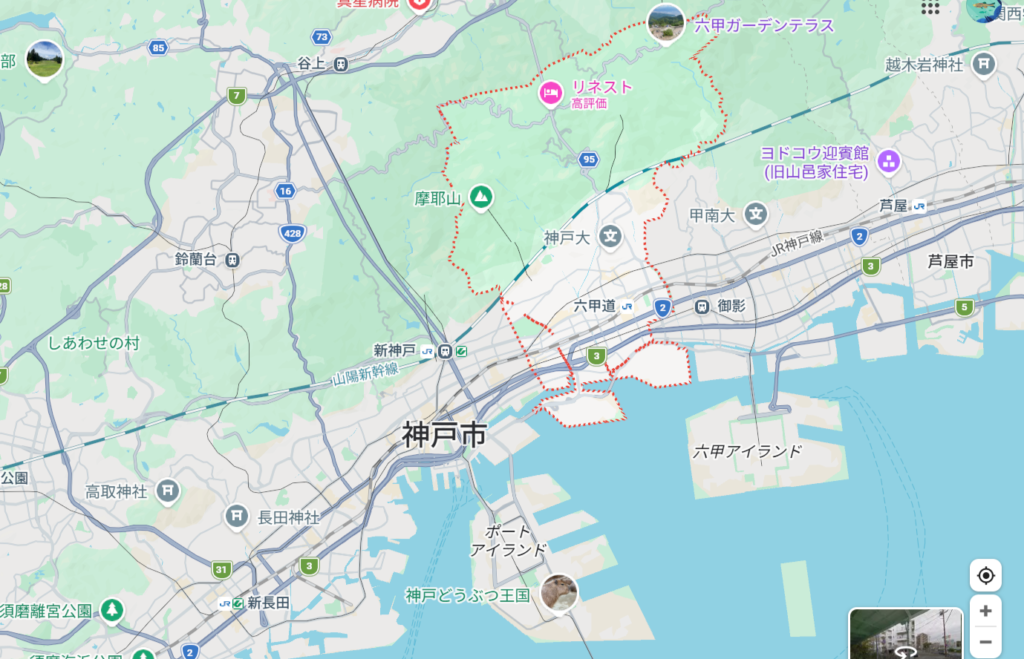
As we continue our westward trek from the elegant residential streets of Higashinada, we cross into a territory that many locals consider the true “heartbeat” of Kobe: Nada-ku.
While Higashinada is famous for its quiet sophistication, Nada-ku offers something arguably more complex and energetic. It is a place where rugged nature, high-level culture, heavy industry, and a deeply rooted residential spirit coexist in a perfect, albeit slightly chaotic, equilibrium. If you want to experience the “Real Kobe” beyond the tourist brochures, Nada-ku is where you must linger.
The Vertical Balance: From Mt. Maya to the Port
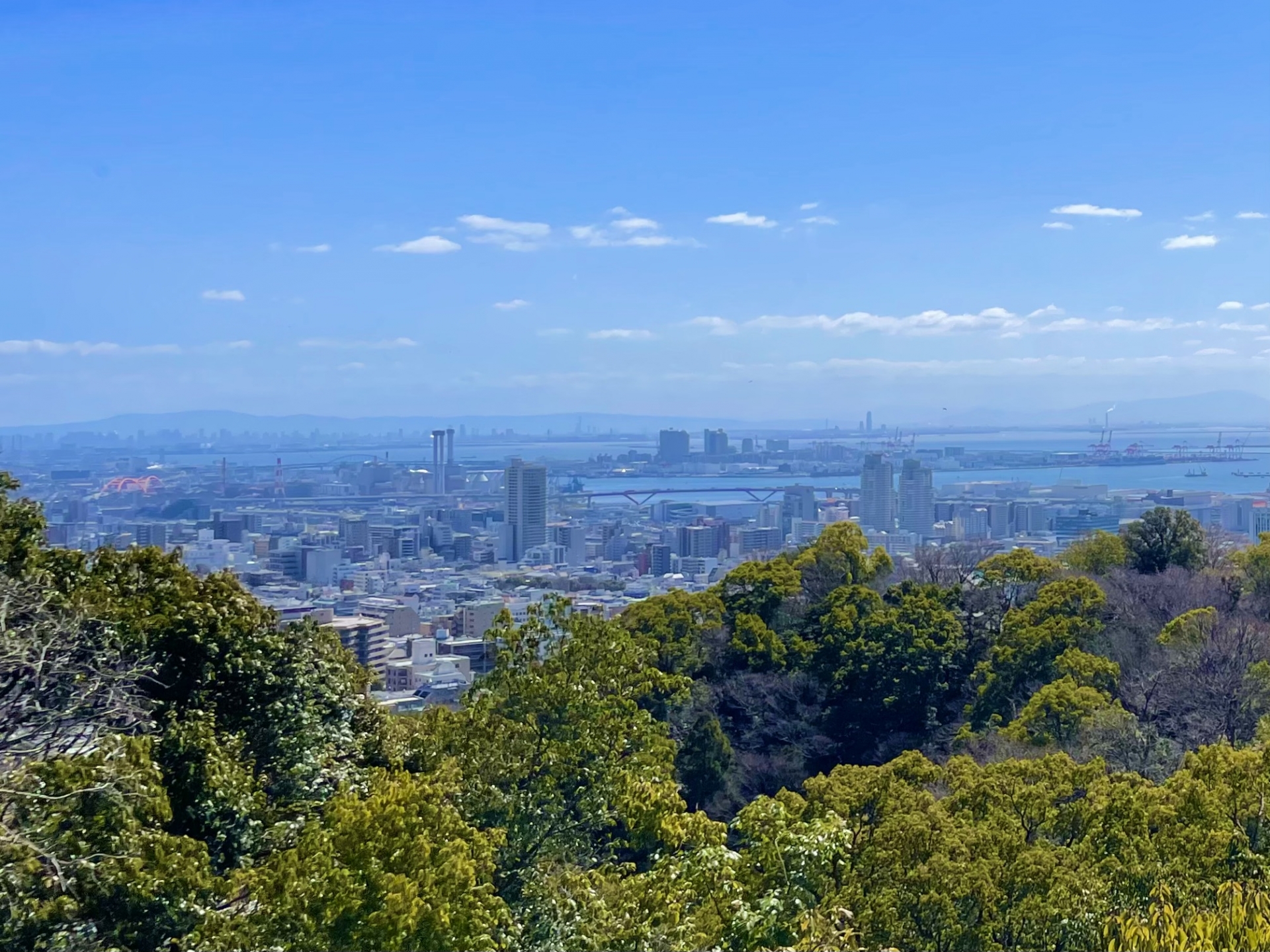
The most striking feature of Nada-ku is its incredible verticality. In just a few kilometres, you transition from the peaks of the Rokko Mountain Range to the industrial hum of the Kobe Port.
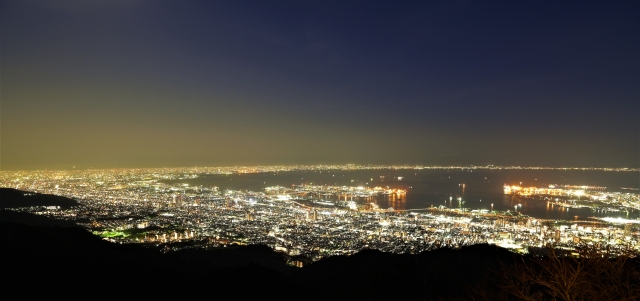
- The Green Heights: For those of us living here, Mt. Maya is more than just a backdrop. It is a weekend ritual. Whether you take the “Maya Viewline” cable car or hike up the rugged trails like Aotani-michi, the reward is the “Tenran” observatory. The night view from here is often called the “Ten Million Dollar View,” and in my opinion, the crisp air and the sprawling lights of the city centre look even better from Nada than they do from anywhere else.
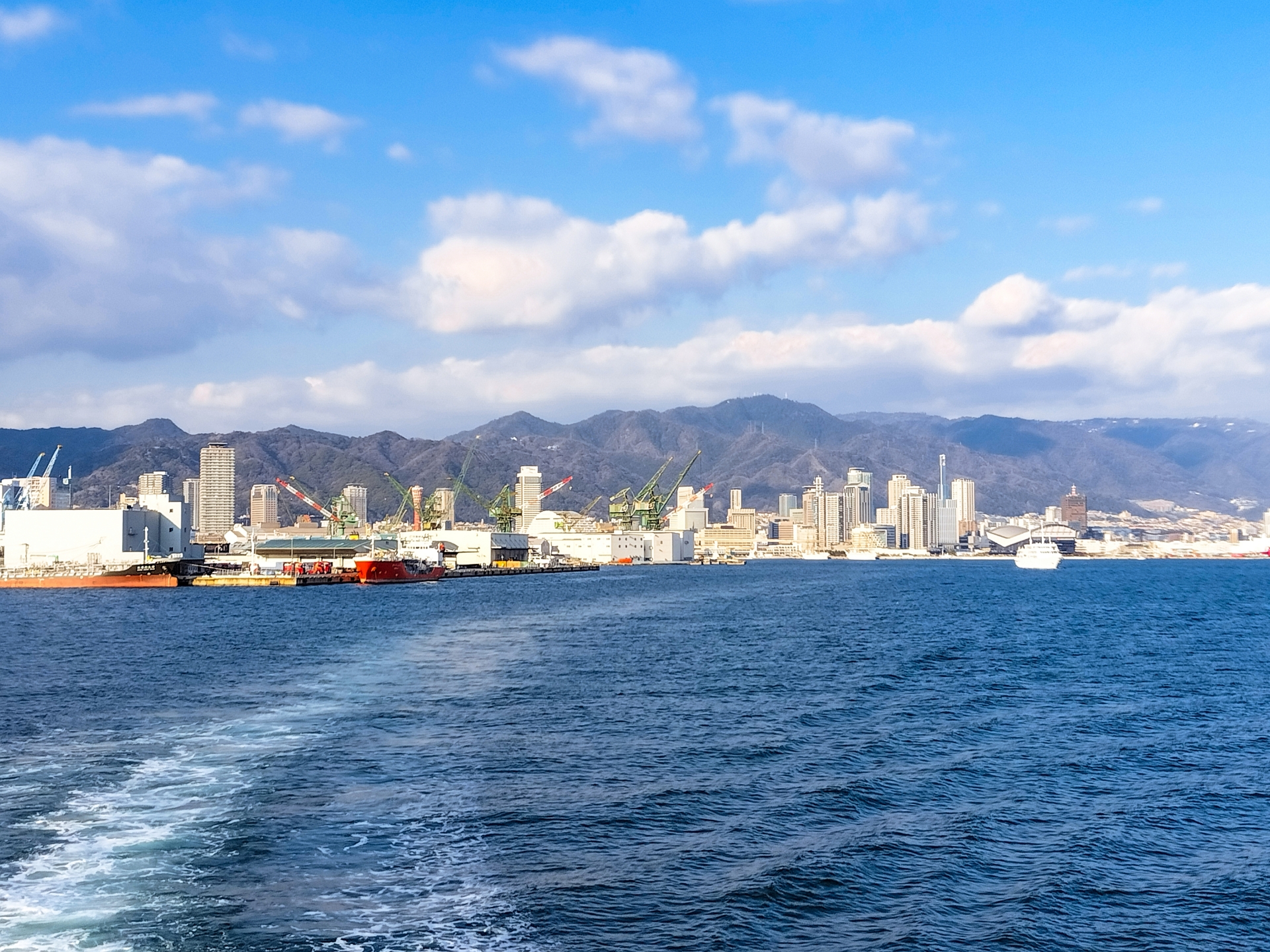
- The Blue Depths: As you head south, the greenery gives way to the industrial belt. Nada-ku has a long history of supporting Kobe’s economy through manufacturing and logistics. This “working-class” grit provides a grounded balance to the city’s more polished areas.
The Cultural Anchor: Oji Zoo and Academic Pride
Nada-ku is also the cultural and educational hub of the city. It manages to be intellectual without being pretentious.
- Oji Zoo : For generations of Kobe residents, Oji Zoo is a sacred space. It was one of the few places in Japan where you could see both pandas and elephants in a setting surrounded by cherry blossoms in the spring. The recent passing of our beloved panda, Tan Tan, was a moment of collective mourning for the city, proving that this zoo is not just a tourist attraction—it is a member of the Kobe family.
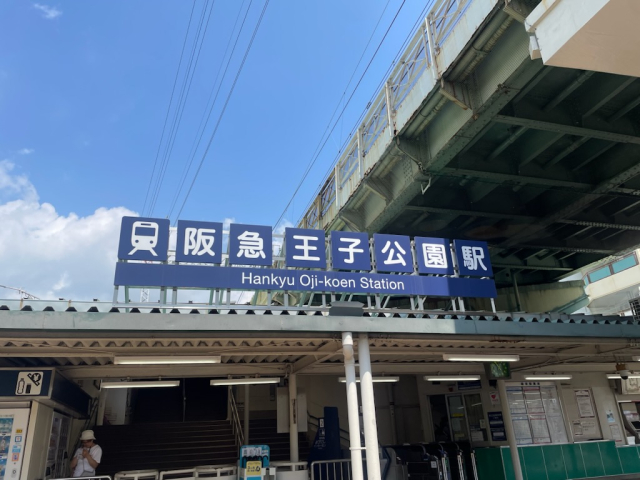
- The Academic Influence: With Kobe University perched on the hillside, the area around Hankyu Rokko Station has a distinctly academic flavour.
The Living Spirit: Suidosuji Market and Local Life
If you truly want to understand the “Taste” and “Life” of Nada, you must visit Suidosuji Market.
While modern shopping malls are sterile and organised, Suidosuji is raw, vibrant, and delightfully loud. This covered shopping arcade is a labyrinth of independent grocers, butchers, and fishmongers.
The Industrial Heart: A Legacy of Craftsmanship
We must not overlook the southern coastal area of Nada-ku. This is a zone of heavy industry and logistics that has powered Kobe’s recovery and growth for over a century. The contrast between the quiet, leafy streets of the upper hills and the massive cranes and factories of the coast is what makes Nada-ku so uniquely “Kobe.” It reminds us that this is a city that builds, not just a city that looks pretty for photos.
Nature in the Midst of Industry: Toga River
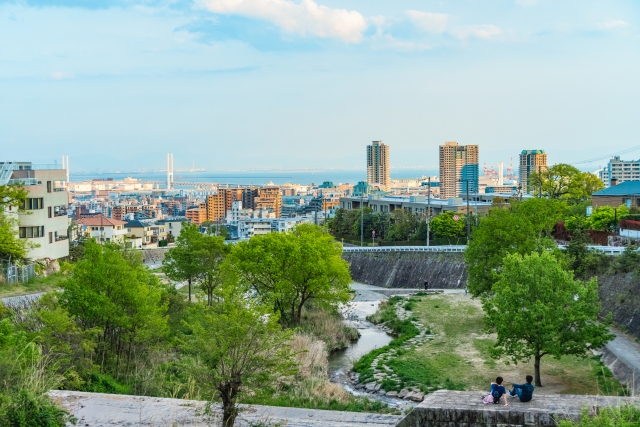
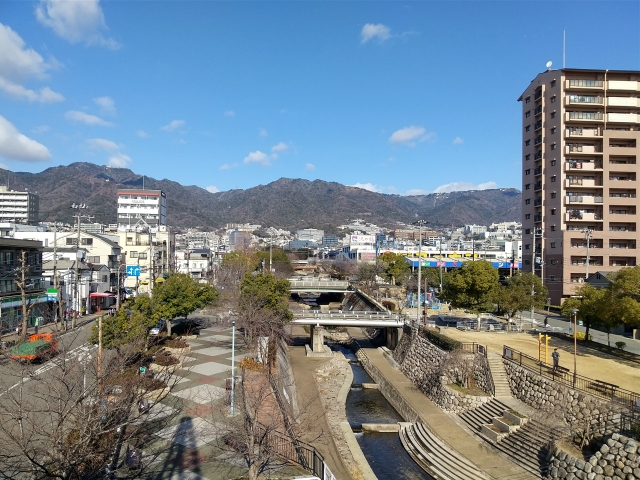
Similar to the Sumiyoshi River in the east, the Toga River serves as a vital green artery for Nada-ku. It is a beautifully maintained urban river where residents jog, walk their dogs, and enjoy the seasonal changes. It acts as a buffer between the residential and industrial zones, proving that even in a hardworking district, nature is never more than a ten-minute walk away.
Conclusion: The Goldilocks Ward
Nada-ku is the “Goldilocks Ward” of Kobe—not too quiet, not too busy, but just right. It has the grit of industry, the peace of the mountains, the intelligence of the university, and the warmth of the local market.
For me, Nada-ku represents the most authentic version of Kobe life. It is a place that invites you to be a participant, not just a spectator. As we continue our journey further west into the bustling city centre of Chuo-ku, we carry with us the energetic spirit of the Nada people.