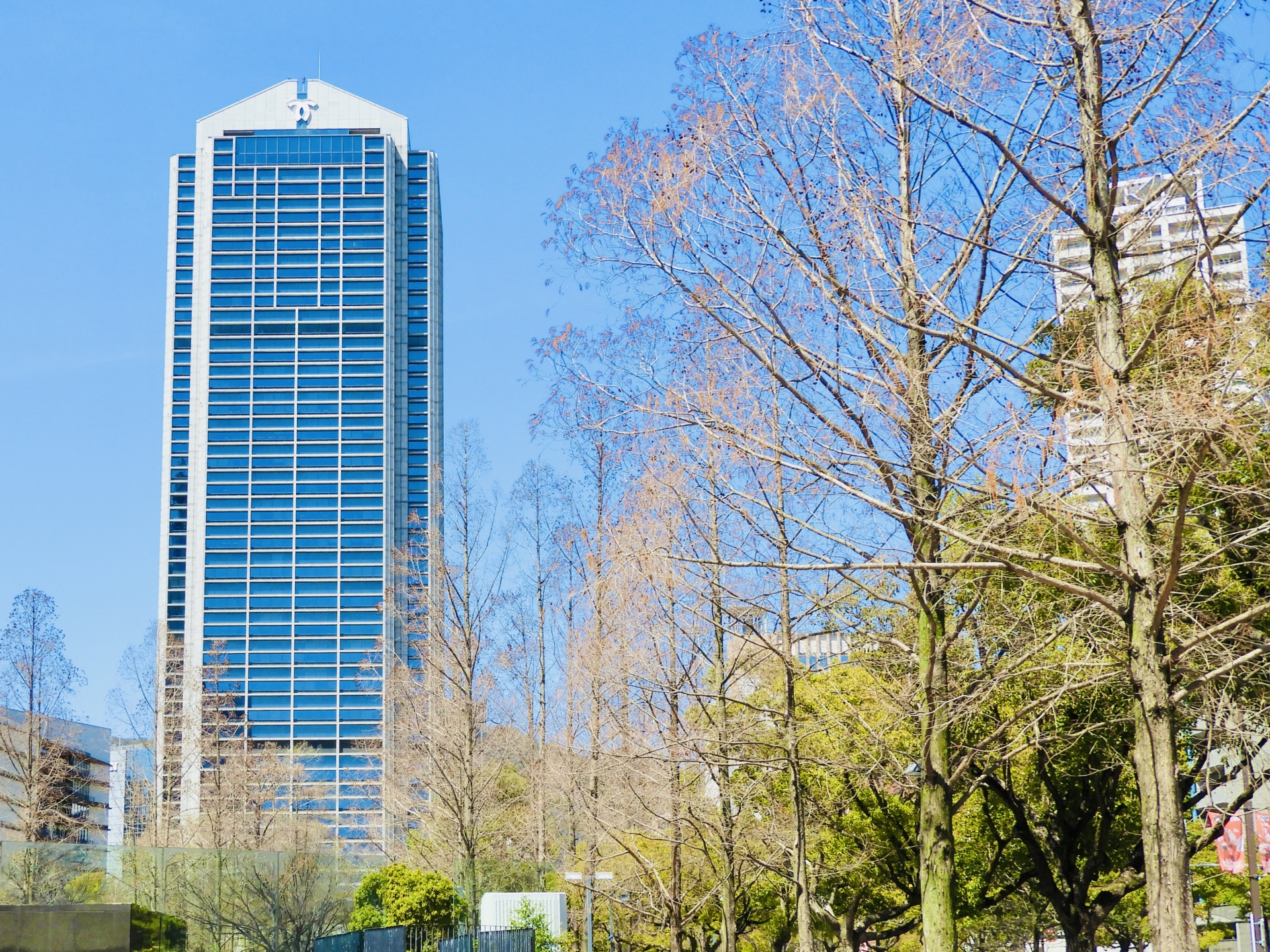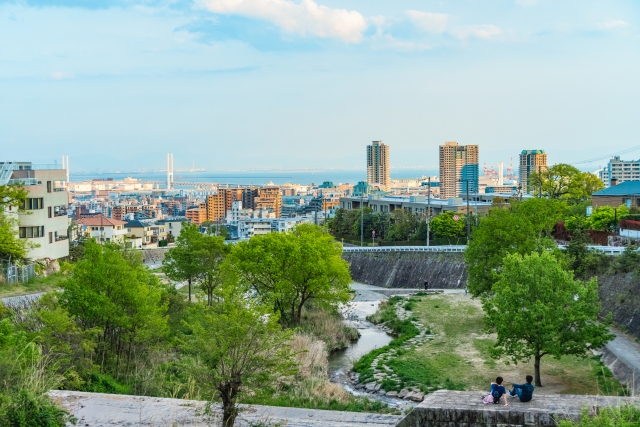
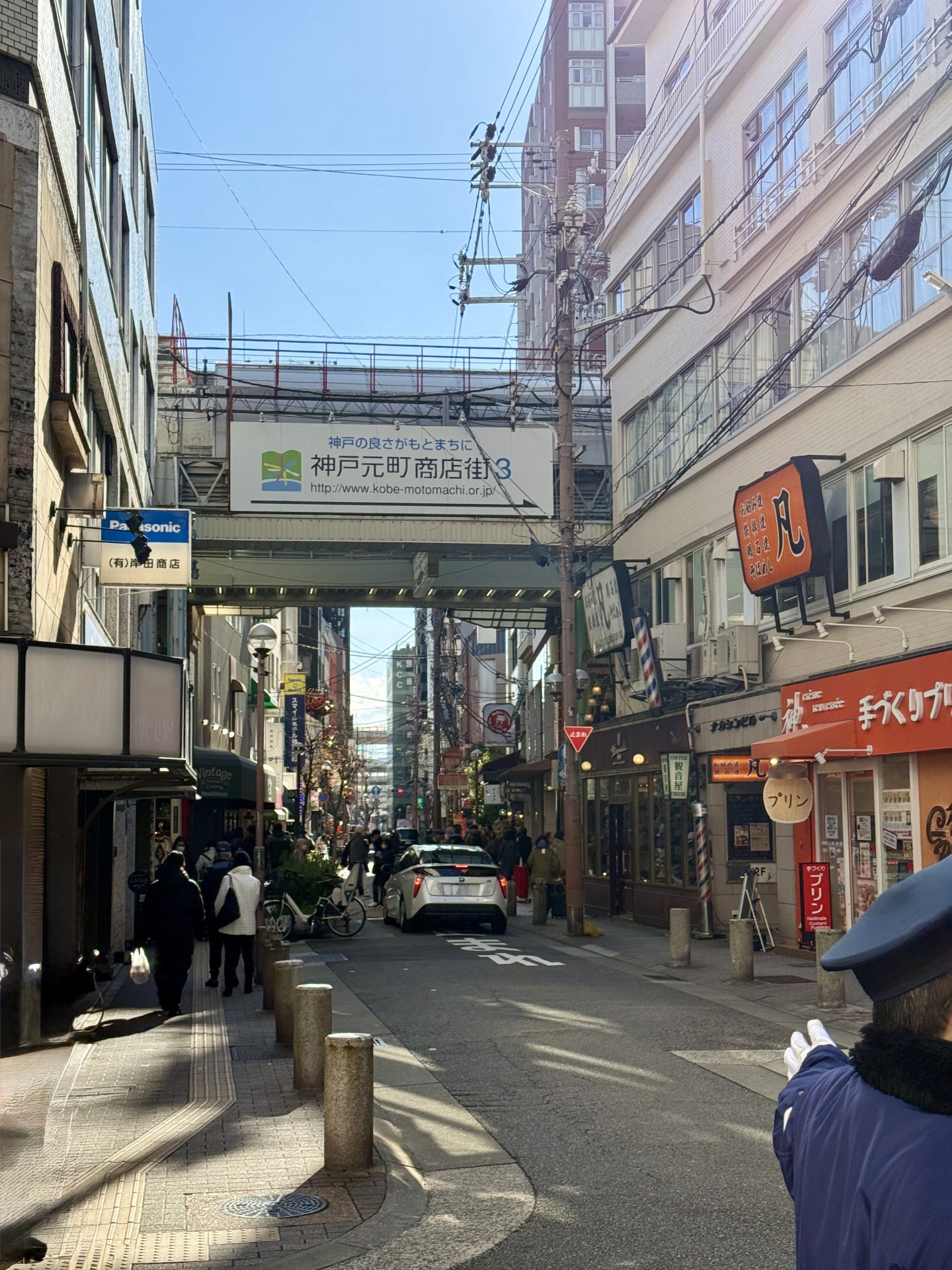
Introduction: Beyond the Wagyu Stereotype
When discussing the culinary identity of Kobe, most international visitors immediately point to our world-famous beef.
While the marble-textured steak is undoubtedly a masterpiece, it does not represent the daily rhythm of a Kobe local’s palate. To find the true “Taste” of this city, you need to follow the scent of toasted flour and yeast wafting through the morning air in the city centre.
In this article, I want to explore why Kobe is consistently ranked as the top “Bakery City” in Japan. We aren’t just saying it because we like bread; the data proves it.
The Data: High Consumption and High Standards
According to the “Family Income and Expenditure Survey” by the Japanese government, Kobe (and the wider Hyogo Prefecture) frequently ranks at the very top for household spending on bread.
Table 1: Annual Household Expenditure on Bread (Major Japanese Cities)
| Rank | City | Average Spending (JPY approx.) |
| 1 | Kobe | 35,000 – 38,000 |
| 2 | Kyoto | 34,000 – 36,000 |
| 3 | Osaka | 32,000 – 34,000 |
| 4 | Tokyo | 30,000 – 32,000 |
Note: Data based on recent trends in Ministry of Internal Affairs and Communications surveys.
As the data shows, Kobe residents spend significantly more on bread than the average person in Tokyo . This isn’t just about volume; it’s about a culture where bread is a favourite staple, often replacing rice in the traditional Japanese breakfast programme.
The Historical Legacy: A 150-Year Craft
Why did bread take such a deep root in Kobe? The answer lies in our history as an international harbour. When the port opened in 1868, it wasn’t just goods that arrived; it was people and their specialised skills.
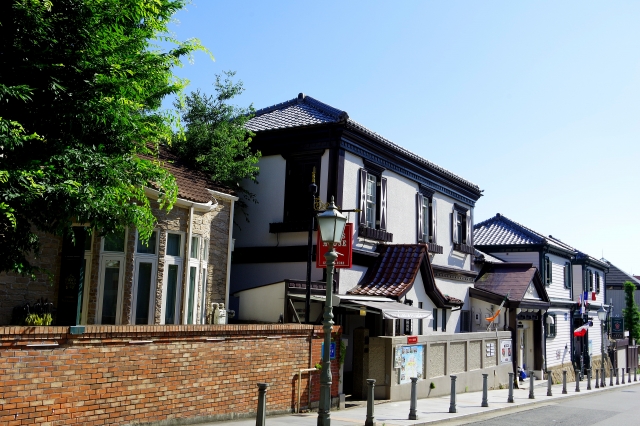
European bakers—particularly from Germany, France, and Britain—opened shops in the Kitano and Settlement areas to serve the foreign community. Over the last 150 years, local Japanese apprentices learned these techniques, adapted them to the local climate, and created a unique “Kobe Style.” This is why you will find a neighbourhood bakery on almost every corner, often with a history spanning three or four generations.
The “Bread Lifestyle”: Quality Over Convenience
For a Kobe local, buying bread is a daily ritual. While convenience stores sell decent bread across Japan, in Kobe, we prefer to go to our local “Boulangerie.”
The density of bakeries in Kobe is one of the highest in the country. This competition ensures that only the best survive. Whether it is the perfect baguette or a soft, fluffy shokupan (white loaf), the standards are incredibly high. It is part of our city’s organisation; the city is designed around these small, high-quality hubs of life.
My Personal Favourites: Savoury and Sweet
As a local, my afternoon break is rarely complete without a quick trip to a bakery. Recently, my favourite choices are savoury options like Cheese Bread and Mentaiko (Pollock Roe) Bread. The salty, umami-rich flavour of Mentaiko paired with crusty French-style bread is a unique Japanese invention that I believe every international visitor should try.
When it comes to sweets, the Melon Pan is the undisputed king of Japanese pastries. Despite its name, it doesn’t usually taste like melon; it is named for its patterned cookie-dough crust that resembles the skin of a cantaloupe. It is sweet, crunchy, and high in calories—a perfect treat that I am certain people from overseas would love.
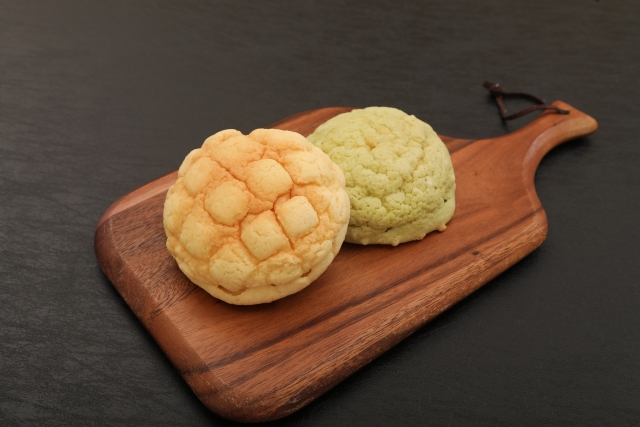
Interestingly, there was once a very popular product called “I Baked the Skin of the Melon Pan” (Melon-pan no Kawa Yaichaimashita). It was literally just the crunchy outer layer, which many fans consider the best part! Although it is sadly no longer available, it shows just how much we Kobe locals—and Japanese people in general—favour that specific crunchy texture.
The Future of “Taste” in This Blog
In the future, I plan to deep-dive into specific shops. From the legendary establishments that have stood for a century to the tiny, innovative new-wave bakeries tucked away in the suburbs of Kita-ku and Nishi-ku, I want to take you on a tour of my favourite spots.
By understanding the data and the history first, I hope you can appreciate the passion and craft behind every single croissant you might eat here.
Conclusion: A City That Lives by the Oven
Kobe is a city of balance. We have the mountains, we have the sea, and we have the comforting, warm “Taste” of fresh bread that binds it all together.
If you ever visit, don’t just look for the steak houses. Look for the small shop with a queue of locals in the morning. That is where you will find the soul of Kobe.