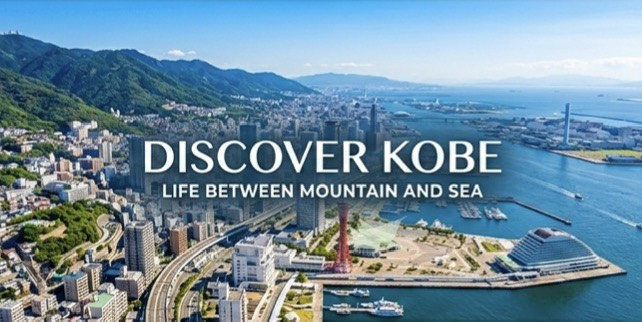
Kobe is a city defined by its narrow geography—a thin strip of urbanity squeezed between the Rokko Mountains and the sea. This unique landscape has forced engineers to be brilliant, resulting in a complex, multi-layered railway network that is as much a part of the city’s character as its harbour or its beef.
To understand Kobe is to understand its trains. From the high-speed Shinkansen to the “Mountain Railway” climbing into the mist, here is an overview of the ten steel arteries that keep Kobe moving.
- The Shinkansen (Shin-Kobe): The Gateway to Japan
- JR Kobe Line: The High-Speed Workhorse
- Hankyu Railway: Elegance on the Foothills
- Hanshin Railway: The Spirit of the Coast
- Kobe Kosoku Line: The Invisible Nexus
- Seishin-Yamate Subway: The Expansionist
- Kaigan Subway: The Coastal Dreamer
- Port Liner: The Automated Pioneer
- Rokko Liner: The Island Link
- Kobe Electric Railway (Shintetsu): The Mountain Climber
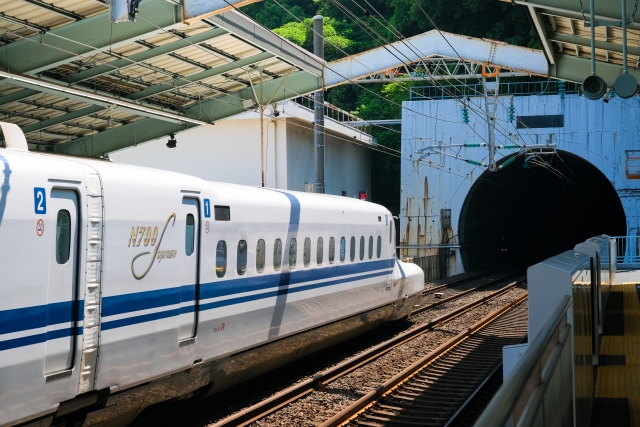
The Shinkansen (Shin-Kobe): The Gateway to Japan
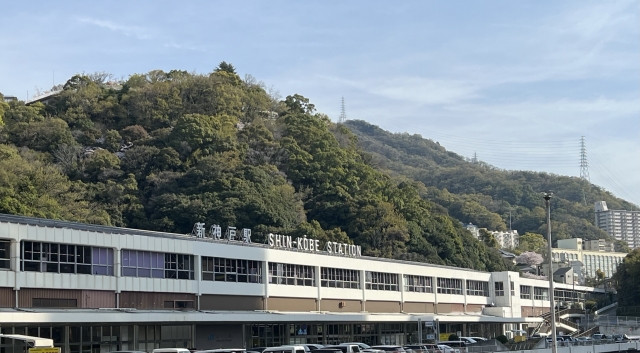
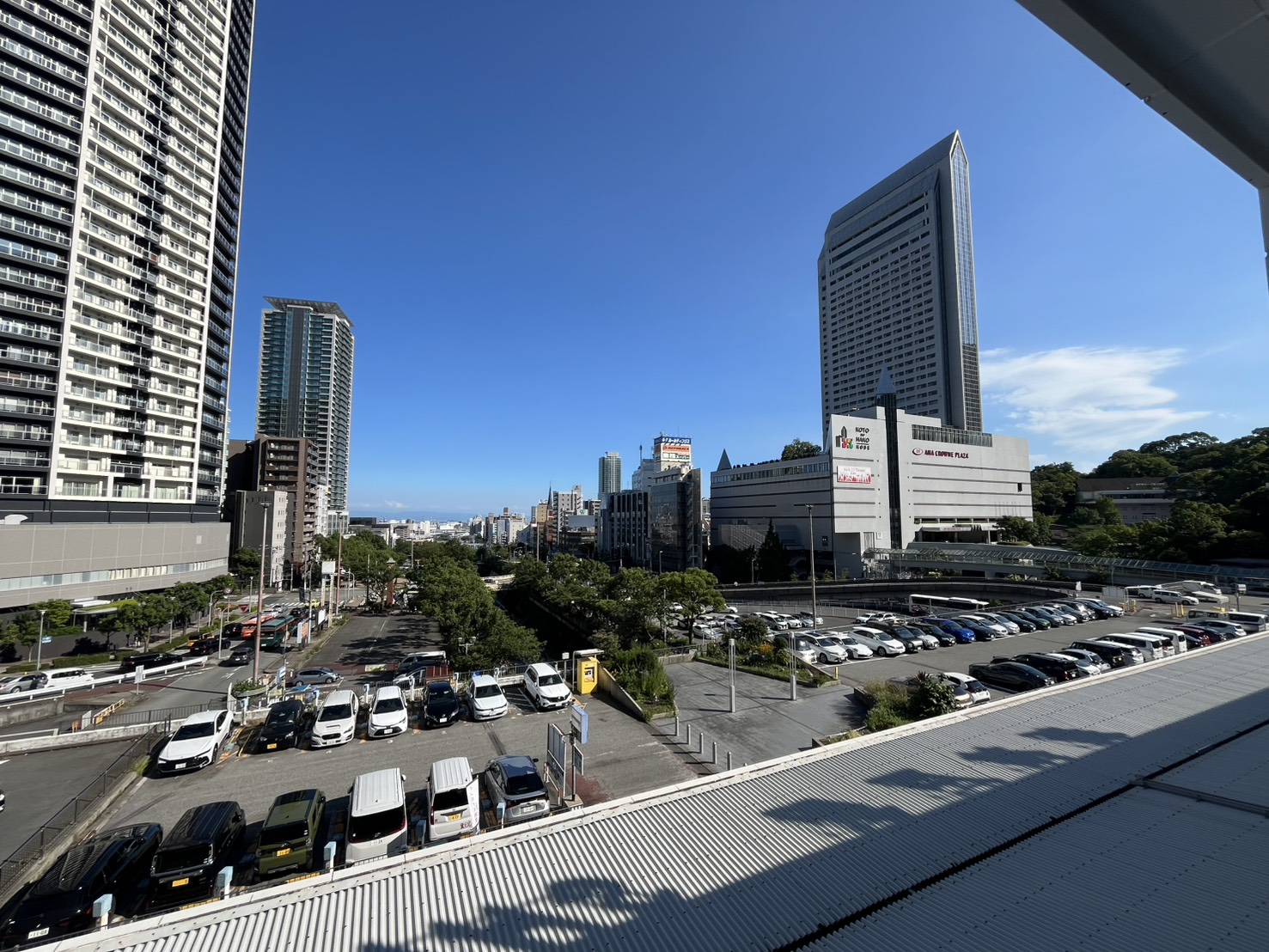
Shin-Kobe Station is the city’s international and domestic portal. Just one underground stop from the central hub of Sannomiya, this is where Kobe connects to the great pulse of Japan. Whether you are heading to Tokyo, Hiroshima, or Fukuoka, this high-speed artery ensures that while Kobe feels like a world of its own, it is never more than a few hours away from the rest of the nation.
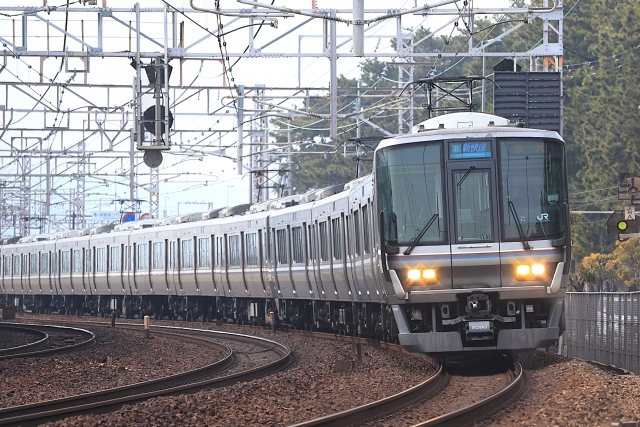
JR Kobe Line: The High-Speed Workhorse
Inheriting the vast network of the former National Railways, JR West operates the city’s primary commuter spine. Its “Special Rapid” (Shin-Kaisoku) service is legendary for its speed, rivalling the Shinkansen for shorter journeys and connecting Kobe effortlessly to Osaka and Kyoto.
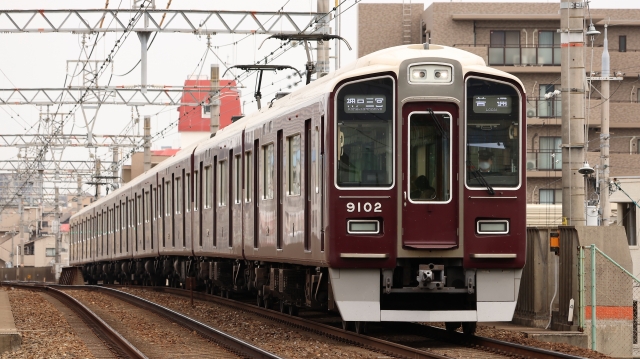
Hankyu Railway: Elegance on the Foothills
Running parallel to JR but further up the mountain slopes, Hankyu is synonymous with sophistication. Its iconic maroon carriages serve Kobe’s prestigious residential areas and school districts. This line is cheaper to go to Osaka or Kyoto compared to JR line.
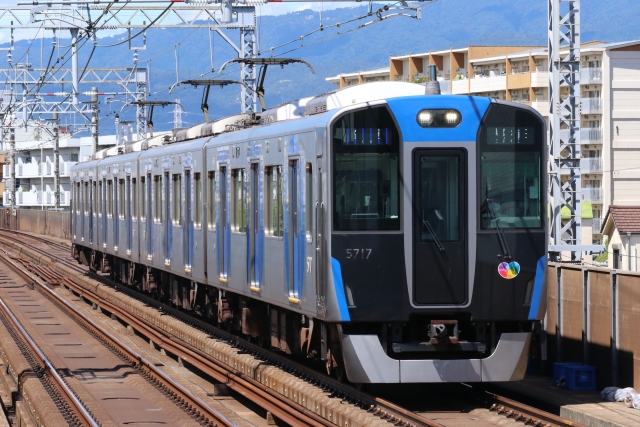
Hanshin Railway: The Spirit of the Coast
Operating south of the JR line, Hanshin is the people’s railway. It has a nostalgic, downtown atmosphere and serves as the essential pilgrimage route for fans heading to Koshien Stadium to cheer on the Hanshin Tigers. It is a vital link between the coastal communities of Kobe and Osaka. From Nishidai onwards, it connects seamlessly to the Sanyo Electric Railway, stretching all the way to the historic castle city of Himeji.
Kobe Kosoku Line: The Invisible Nexus
Perhaps the most mysterious part of the network, even for locals. This underground link connects the tracks of Hankyu, Hanshin, Sanyo, and Shintetsu. It is the “missing link” that allows different private companies to share the same tunnels, forming the complex heart of Kobe’s rail system.
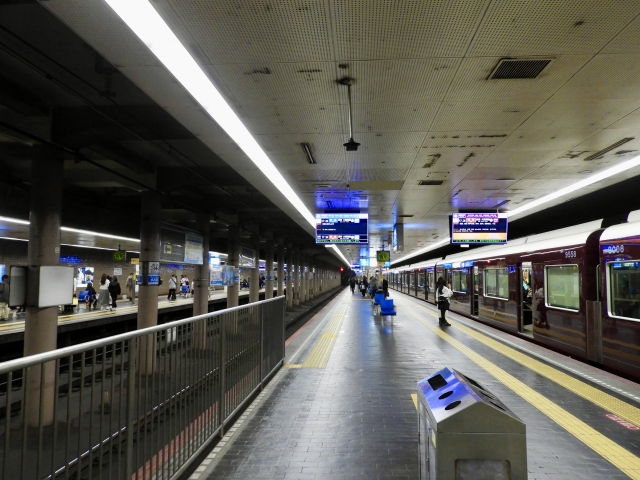
Seishin-Yamate Subway: The Expansionist
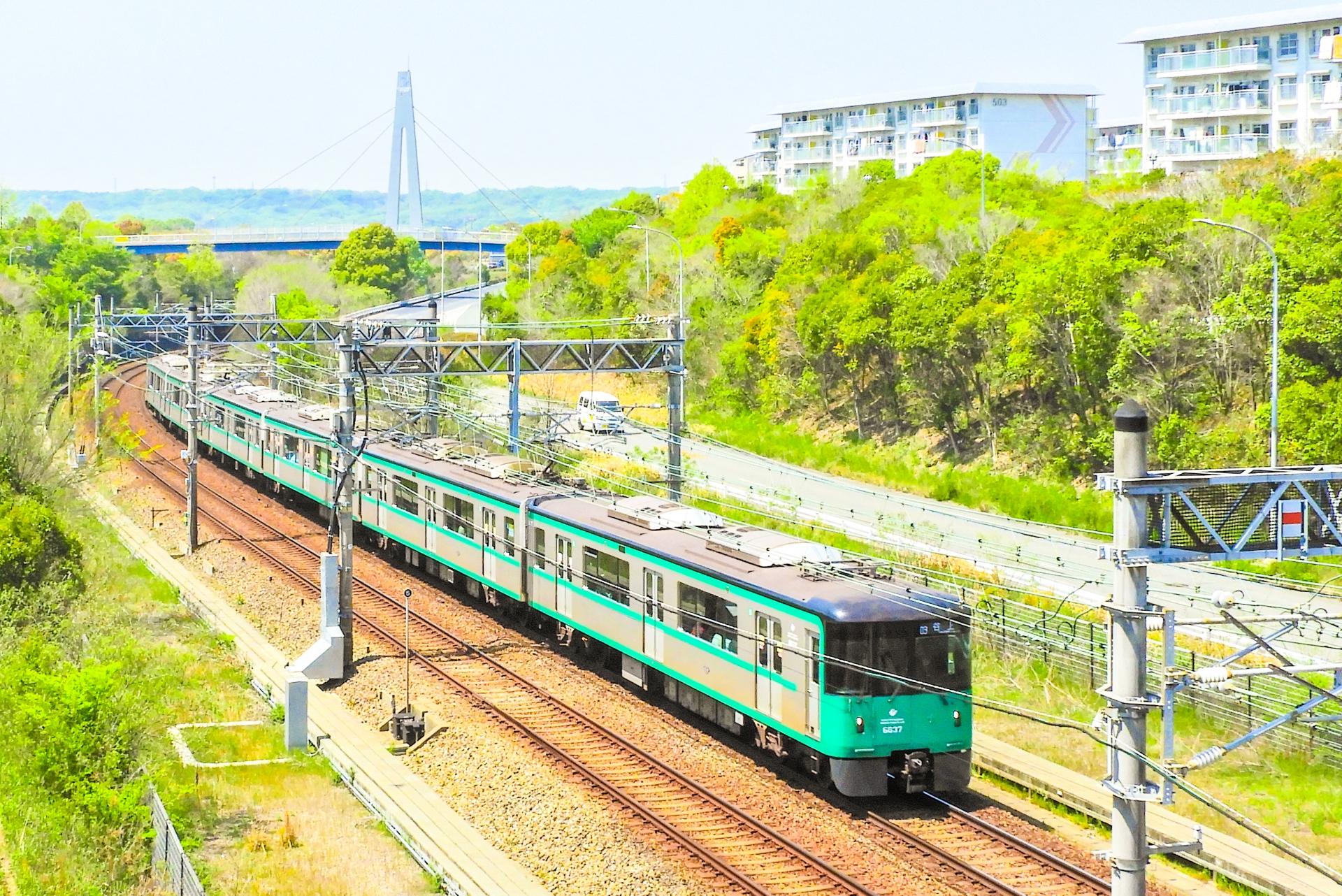
Kobe’s first underground line was born alongside the massive “New Town” developments. As the city grew, so did the “Green Line,” tunnelling through the mountains to reach the western frontiers. It remains the essential lifeline for those commuting from the northern and western suburbs.
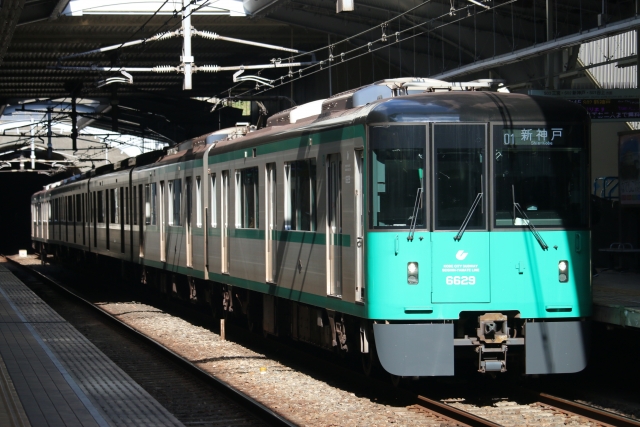
Kaigan Subway: The Coastal Dreamer
The “Blue Line” runs along the coast west of Sannomiya. While it currently faces financial challenges due to lower-than-expected ridership, it remains a crucial piece of infrastructure for football fans heading to the stadium and for the future redevelopment of the historic waterfront.
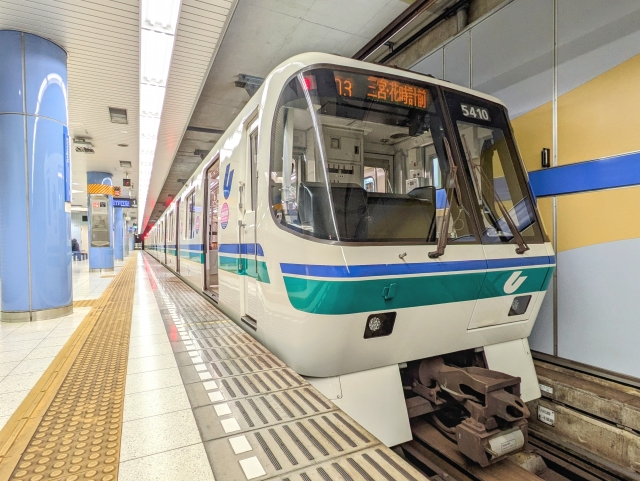
Port Liner: The Automated Pioneer
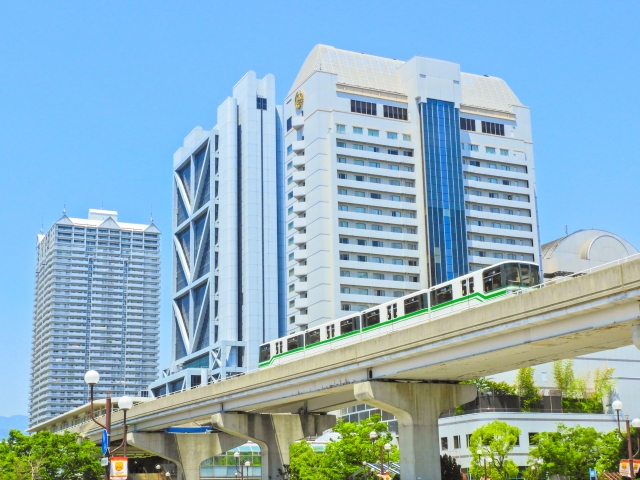
A world leader in transit technology, this was the first automated, driverless train system in the world. Originally built for Port Island, it has since been extended to Kobe Airport. Today, it grapples with its own success, facing heavy congestion as it serves as the sole rail link to the airport and the island’s business district.
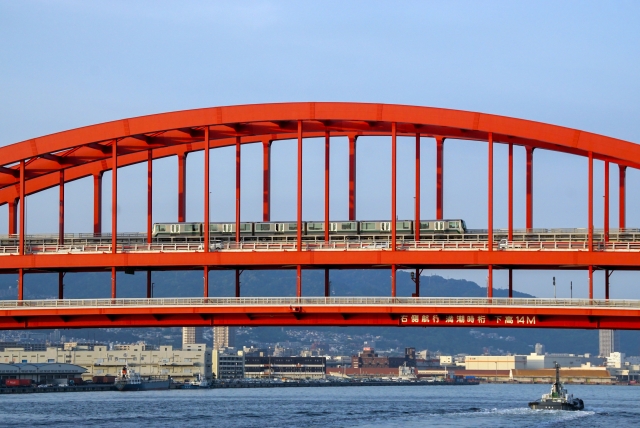
Rokko Liner: The Island Link
Similar to the Port Liner, this automated system connects the mainland to Rokko Island. It serves a unique international community, providing a futuristic and reliable connection for residents, students, and workers on Kobe’s second major artificial island.
Kobe Electric Railway (Shintetsu): The Mountain Climber
Known affectionately as the “Mountain Railway,” Shintetsu climbs the steep gradients of the Rokko range to connect the city centre with the rural reaches of Kita-ku, Miki, Ono, and Sanda. It is the quintessential route for those seeking the healing waters of Arima Onsen or a glimpse of Japan’s traditional rural landscape.