The Seishin-Yamate Line, Kobe’s first municipal underground, is much more than a utilitarian commuter route. It is the emerald thread that weaves together the historic city centre with the ambitious “New Towns” carved into the western hills. Today, it stands at the forefront of the “Renovation Kobe” programme—a city-wide initiative that is breathing new life into older districts and reimagining the urban experience for the 21st century.
- The Vision of the West: From Concrete Dreams to Modern Desires
- The Sannomiya Harmony: Closing the Aesthetic Gap
- The Hokushin Miracle: Crossing the Mountain Frontier
- Future Motion: The 6000 Series and Integrated Design
- The Shin-Kobe Connection: A Hub Without the Hassle
- Conclusion: A Line That Defines the Future
The Vision of the West: From Concrete Dreams to Modern Desires
The history of this line is inextricably linked to the development of the western suburbs. Built to serve the massive housing projects of the 1970s and 80s, the line was the catalyst for Kobe’s expansion. However, as the decades passed, these “New Towns” began to show their age.
Enter Renovation Kobe. The city is currently pouring unprecedented investment into the line’s key hubs: Seishin-chuo, Myodani, Itayado, Shin-Nagata, and Sannomiya.
I have watched Myodani Station in particular undergo a staggering metamorphosis. What was once a functional but somewhat dated suburban stop has been reborn as a vibrant, modern landmark. The synergy between the station’s aesthetic overhaul, the revitalisation of surrounding commercial facilities, and the influx of sleek new residential towers has fundamentally shifted the area’s gravity. It is no surprise that land prices are projected to soar; Myodani has transitioned from a mere “bedroom community” into a destination where people genuinely want to live, work, and socialise.
The Sannomiya Harmony: Closing the Aesthetic Gap
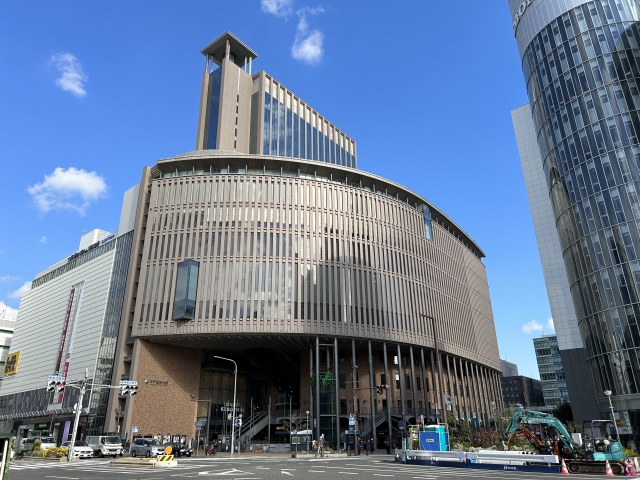
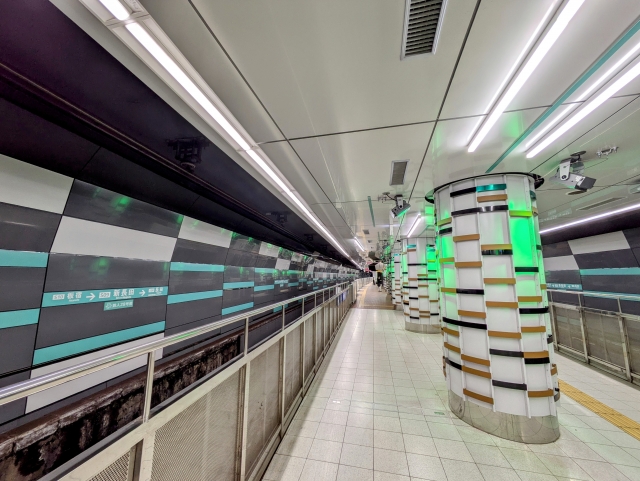
If you walk through Sannomiya today, you will experience a city in the midst of a stylistic revolution. But it wasn’t always a smooth transition. I vividly remember the spring of 2021, when the Kobe Sannomiya Hankyu Building was first unveiled. The area around the Hankyu gates became instantly chic—a sophisticated, high-end urban space that felt like the future of Kobe.
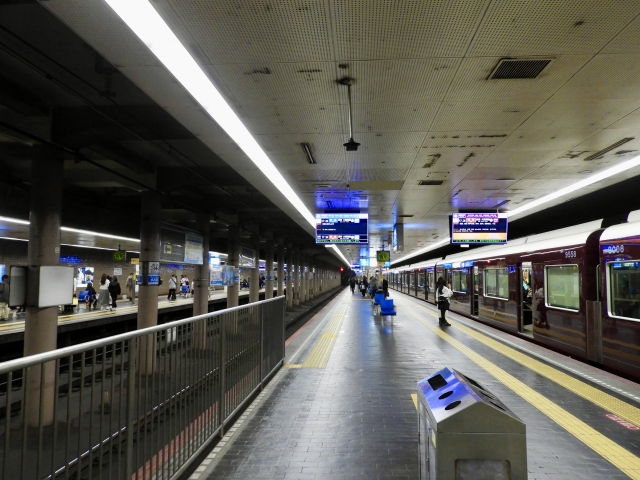
However, for a brief period, the adjacent underground entrance felt like a relic of a previous era. The contrast was jarring; you would step out of the ultra-modern Hankyu complex and descend into a subway station that hadn’t yet caught up with the new “Sannomiya Standard.”
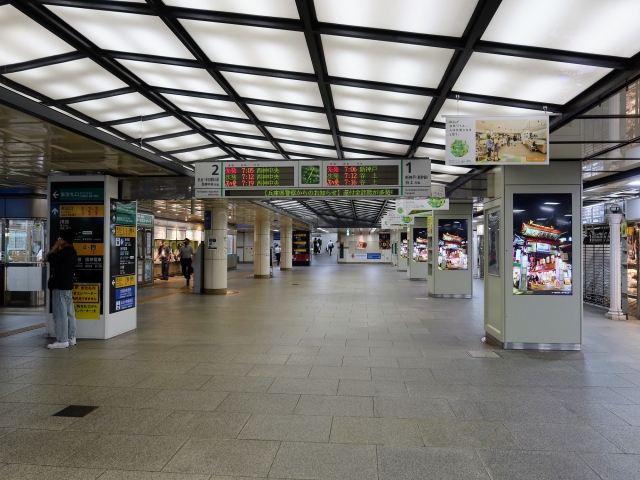
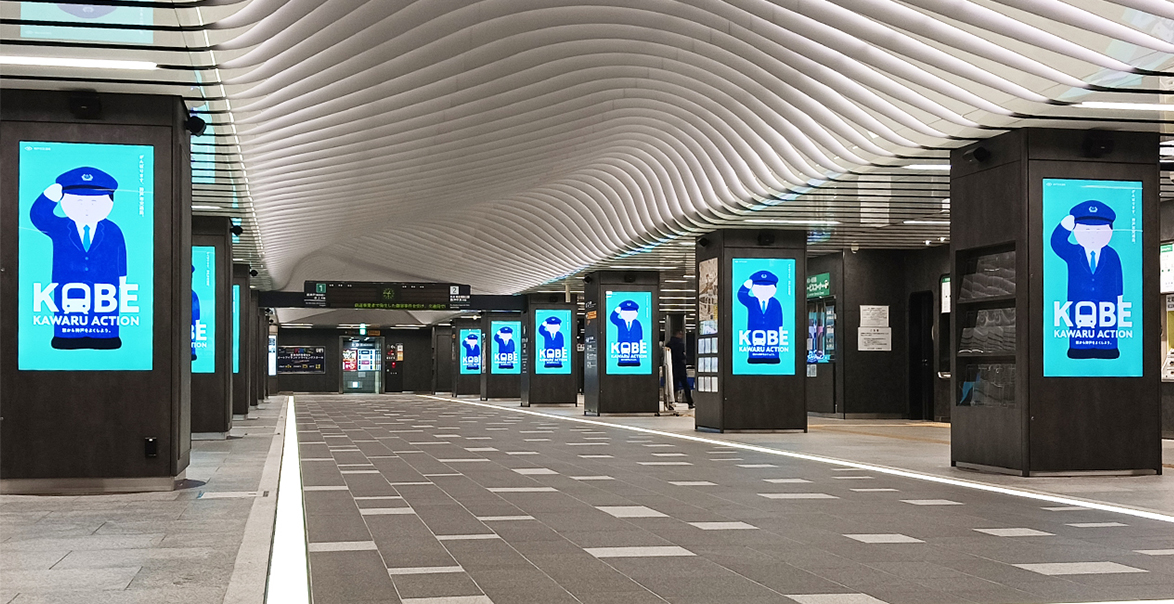
That changed last winter. With the completion of the underground station’s extensive beautification project, the “time lag” has vanished. The station has been reimagined with a modern, warm, and elegant design that mirrors the sophistication of the buildings above. The warm-toned lighting and high-quality materials now offer a seamless transition for the traveller. No longer a cluttered basement, the subway station is now a fitting gateway to the city’s heart, proving that Kobe’s various transport operators are finally moving in a beautiful, synchronised rhythm.
The Hokushin Miracle: Crossing the Mountain Frontier
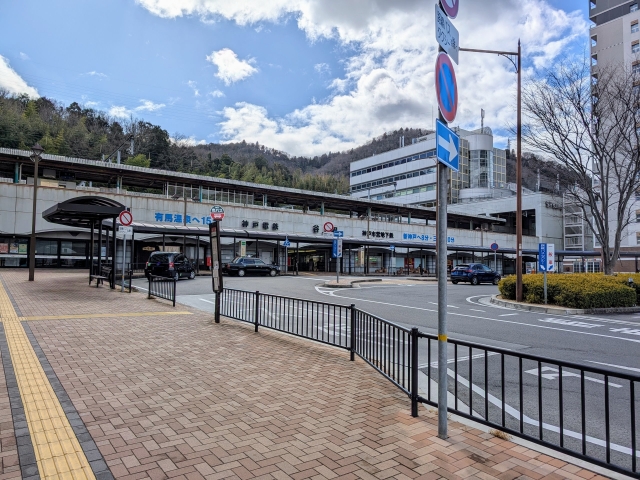
Perhaps the most celebrated achievement in recent Kobe policy is the municipalisation of the Hokushin Line. For years, the fare to travel from Tanigami to Sannomiya was notoriously high—some said the most expensive in Japan. By bringing this line under city control, the fare was effectively halved, a move that earned widespread praise from the citizenry.
This was a strategic masterstroke. It didn’t just help the residents of Tanigami; it strengthened the link between the city centre and the vast residential areas of the Shintetsu Line to the north.
Speaking about Hokushin-line, I had a profound experience of this connectivity during a recent winter trip. Tanigami Station is famous for being one of the highest-altitude underground stations in the country. As the train emerged from the long darkness of the Rokko Mountain tunnel, I was met with a breathtaking sight: a world transformed into a pristine white snowscape. Just ten minutes earlier, Sannomiya had been a dry, grey winter city. This sudden transition is the true essence of Kobe—a city where a single tunnel separates the cosmopolitan coast from the rugged, snowy beauty of the mountain north. It is a climatological and geographical drama that only the Seishin-Yamate Line can provide.
Future Motion: The 6000 Series and Integrated Design
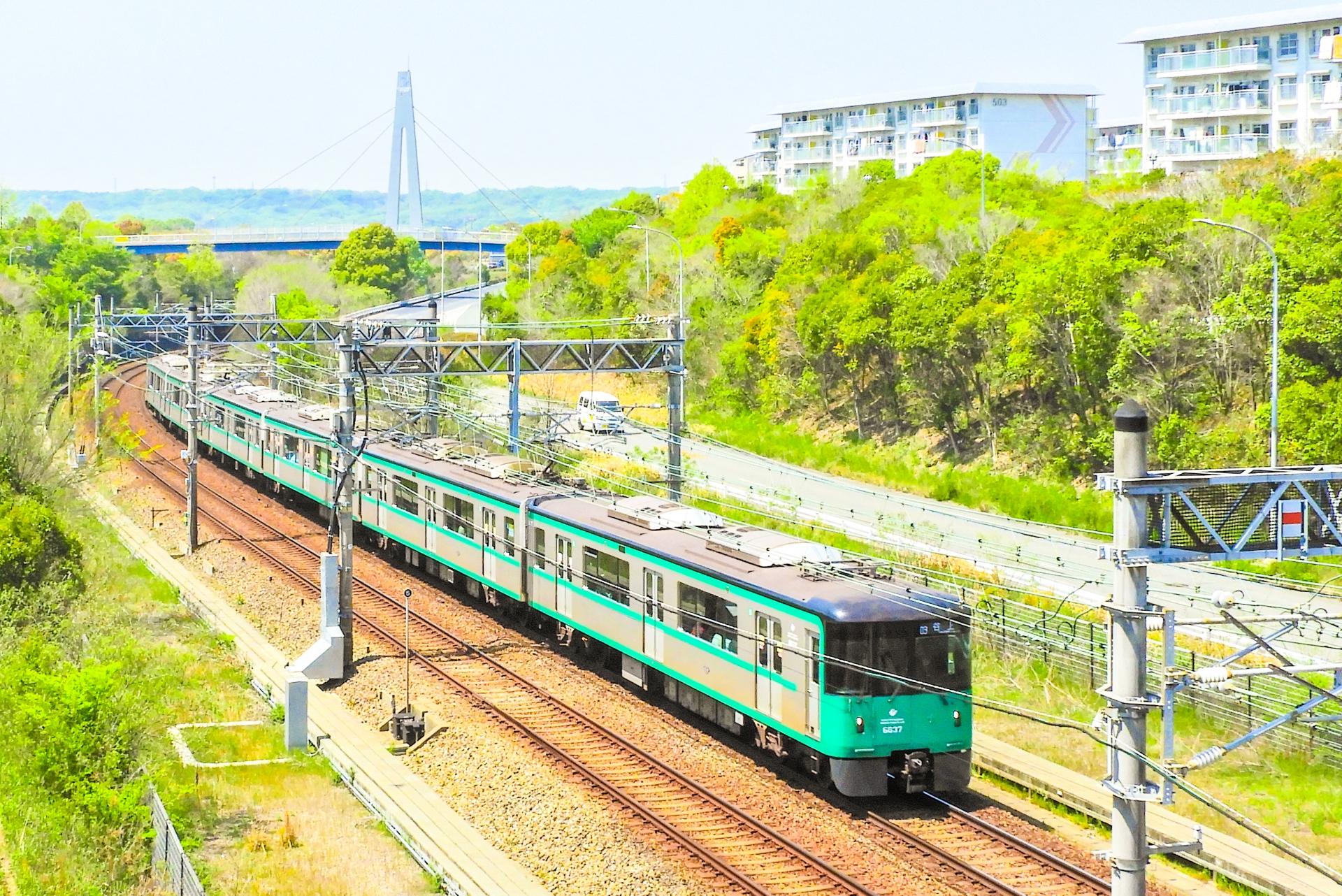
The modernisation isn’t limited to the stations. The introduction of the 6000 Series rolling stock has brought a much-needed sense of “future-proofing” to the rails. Designed with a sleek, minimalist aesthetic, these trains perfectly complement the newly beautified platforms.
The interiors are bright, the windows are large, and the silent, smooth motion of the new fleet creates an atmosphere of calm. When you see the green stripe of a 6000 Series train pulling into the modernised Sannomiya platform, you feel as though you are witnessing the finished puzzle of Kobe’s transport vision. It is a high-tech, high-comfort environment that makes the daily commute feel like a premium experience.
The Shin-Kobe Connection: A Hub Without the Hassle
Finally, we must address Shin-Kobe Station, the city’s sole connection to the Shinkansen network. You will often hear visitors grumble that there is no “JR station” directly attached to the bullet train stop. While this is technically true, for the savvy local, it is a non-issue.
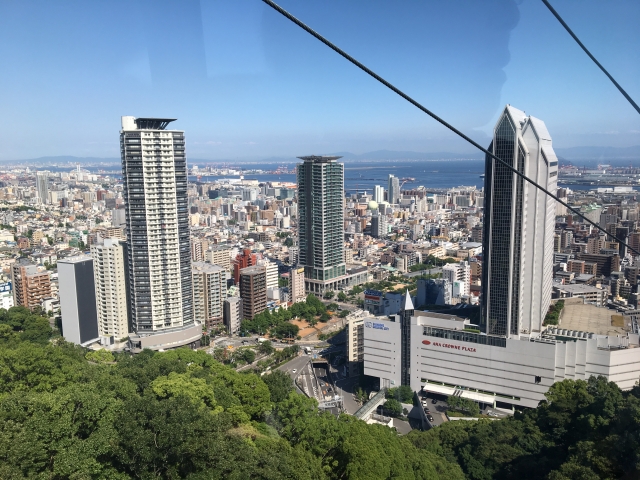
The Seishin-Yamate Line is the vital link here. One stop away from Sannomiya, the underground provides a near-instant transfer to the national high-speed rail network. In fact, the walk from Shin-Kobe to Sannomiya is one of my personal favourites—a gentle downhill stroll through the greenery that brings you right into the bustling city centre. For those arriving from Tokyo or Hakata, the underground is your first introduction to Kobe’s efficiency. My advice to visitors is simple: don’t worry about the lack of a JR link. Use the underground, or better yet, take a walk and enjoy the urban scenery. Kobe’s centre is closer than you think.
Conclusion: A Line That Defines the Future
The Seishin-Yamate Line is no longer just a way to get from A to B. Through the lens of “Renovation Kobe,” it has become a symbol of the city’s resilience and its commitment to quality of life. From the snowy heights of Tanigami to the stylish depths of Sannomiya and the rising towers of Myodani, this green artery is pumping new energy into the city. It is a line that respects its past while boldly designing its future—one warm-toned elevator and one snowy tunnel at a time.