If the JR and Hankyu lines are the high-speed arteries of the coast, the Kobe Electric Railway (Shintetsu) is the rugged backbone of the city’s mountainous interior. While it may not share the glittering spotlight of the Sannomiya terminals, Shintetsu is a marvel of engineering and a vital lifeline for those living beyond the Rokko Range. To ride the Shintetsu is to witness the sheer grit of a railway that refuses to let a mountain range stand in its way.
Defying Gravity: The 50-Per-Mille Challenge
The most striking feature of Shintetsu is its geography. Covering a vast network that stretches from the heart of Kobe to the northern suburbs of Sanda and the western reaches of Miki and Ono, the line is a continuous battle against the terrain.
For the uninitiated, the gradients on this line are staggering. While most commuter trains operate on relatively flat ground, Shintetsu tackles slopes of 50 per mille—meaning the track rises 50 units for every 1000 units of forward travel. I remember a particularly vivid moment travelling from Tanigami toward Sanda. As the train departed, I happened to be standing at the very front, peering through the driver’s window. Suddenly, the track ahead seemed to tilt upward like a wall toward Hanayama Station. It was a visceral, heart-in-mouth realization of just how steeply we were climbing. This isn’t just a train ride; it’s a feat of mountain climbing performed by steel and electricity every single day.
The Shinkaichi Soul: A Terminal Steeped in History
One reason Shintetsu remains a “hidden gem” to tourists is its terminus. Unlike almost every other major line, it does not call Sannomiya its home. Instead, it begins at Shinkaichi Station.
For the modern traveller, this might seem like a slight inconvenience, but for the historian, it makes perfect sense. Shinkaichi was once the undisputed entertainment and cultural centre of Kobe—the “East Asakusa.” The fact that Shintetsu remains rooted here is a beautiful reminder of the city’s old heart. Furthermore, thanks to the seamless integration of the Kobe Rapid Transit Railway, transferring from the Hankyu or Hanshin lines to the Shintetsu platforms is surprisingly effortless. You descend into the subterranean world of Shinkaichi and emerge, minutes later, ascending into the lush greenery of the northern hills.
The Arima Express: A 30-Minute Portal to the Ancient World
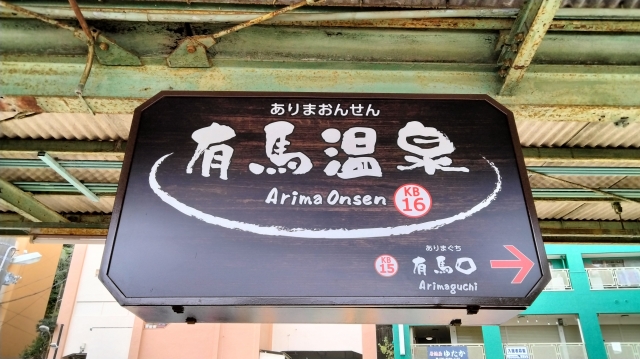
Perhaps Shintetsu’s greatest gift to the people of Kobe is its role as the gateway to Arima Onsen, one of Japan’s oldest and most prestigious hot spring resorts. The journey requires a quick transfer at Arimaguchi, but the transition is magical.
As you board the dedicated Arima Line, the atmosphere shifts instantly. The rolling stock often features unique flourishes, the arrival melodies take on a traditional tone, and even the station platform at Arima Onsen is adorned with elegant, classic Japanese decor. The thrill of the train plunging through dense mountain foliage and emerging into the misty, atmospheric streets of the hot spring town is unmatched. That you can leave the bustling urban centre of Sannomiya via the subway and be soaking in the “Golden Springs” of Arima in roughly 30 minutes is, quite frankly, a urban miracle that defines the luxury of living in Kobe.
The Ao Line Dilemma: A New Chapter of Civic Renewal
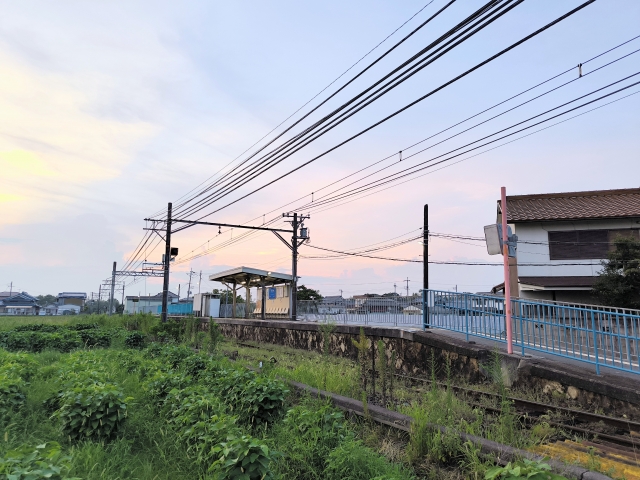
However, Shintetsu is not without its struggles. The Ao Line, which serves the western bed towns developed during the high-growth era, faces a difficult reality. An ageing population and the decline of the suburban “satellite city” model have led to persistent deficits.
But there is a new wave of hope. In a bold strategic move, the City of Kobe recently reportedly is planned to purchase a significant portion of Shintetsu’s shares from the Hankyu-Hanshin group, becoming one of the top shareholder. This is a pivotal moment. The city is now in a position to apply the same “Renovation Kobe” philosophy—which has successfully revitalized the subway corridors—to the Shintetsu network. Whether we will see a surge in “Station-Front Redevelopment” or innovative housing policies along the Ao Line is the big question for the coming years. For the residents of Miki and Ono, this civic intervention is a much-needed vote of confidence in their railway’s future.
The Crimson Guardian: “Ultraman” Design and Winter Warmth
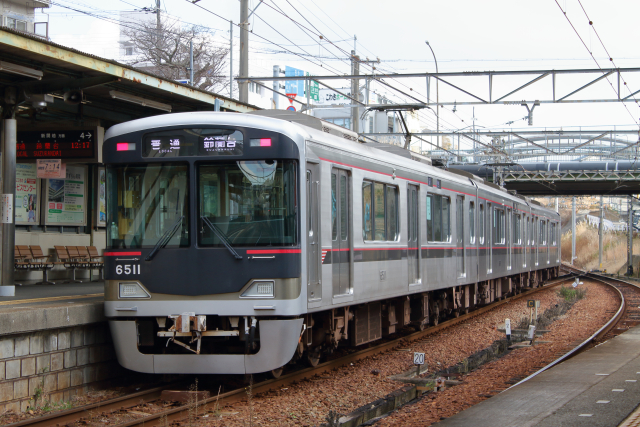
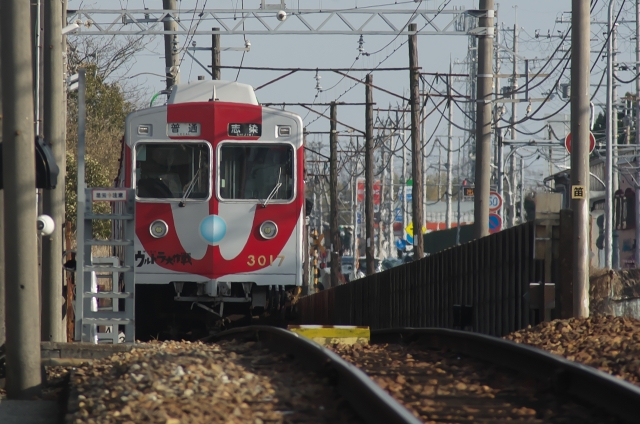
Finally, we must celebrate the physical soul of the train itself. The classic ivory and red livery of the Shintetsu carriages has earned them the affectionate nickname “Ultraman” among locals and railway enthusiasts. There is a sturdy, heroic quality to the design that matches the train’s rugged performance on the mountain slopes.
And for those who travel during the biting winters of Northern Kobe—where the temperature is often several degrees lower than the coast—the Shintetsu offers a special kind of hospitality. The under-seat heaters on these trains are legendary. There is nothing quite like stepping out of the freezing mountain air and feeling the intense, comforting warmth radiating from the floorboards. It is a small, quiet kindness that reflects the character of the line: dependable, warm, and built to withstand the elements.
Conclusion: The Pulse of the Hidden Kobe
The Kobe Electric Railway is the final piece of the city’s transit puzzle. It is a railway that demands respect for its technical prowess and affection for its historical roots. From the adrenaline-pumping inclines of Hanayama to the quiet, steam-filled streets of Arima, Shintetsu carries the stories of a Kobe that exists beyond the glittering waterfront. As the city takes a more direct hand in its future, the “Mountain King” is poised to lead a new generation of residents into a revitalised, connected era.