The Shinkansen is more than just a train; it is the physical manifestation of Japan’s post-war engineering spirit. For Kobe, the Sanyo Shinkansen is the vital thread that stitches the city into the national fabric, offering a seamless transition between the ultra-modernity of Tokyo and the historic frontiers of the west.
A Seamless National Spine: From Tokyo to Hakata
A common misconception for first-time visitors is that the Shinkansen network is fragmented. In reality, the Sanyo Shinkansen operates in perfect organisation with the Tokaido Shinkansen(Tokyo to Osaka).
Most “Nozomi” and “Hikari” trains run directly through from Tokyo, meaning you can board at Shin-Kobe and reach major hubs like Yokohama, Nagoya, and Tokyo without a single transfer. Conversely, heading west, the line grants instant access to Okayama, Hiroshima, and Hakata (Fukuoka). This “One-Seat” connectivity transforms Kobe from a regional port into a central node of the Japanese archipelago.
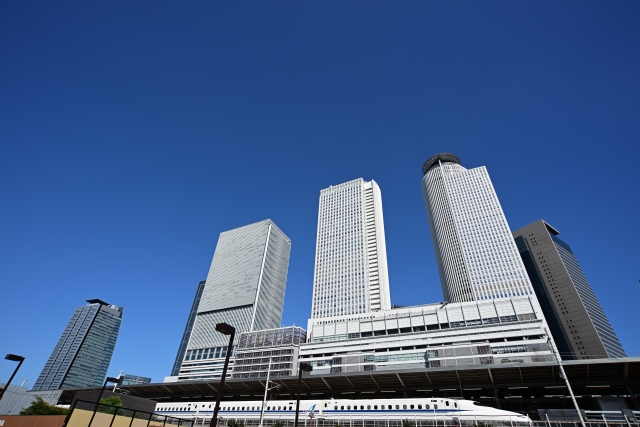
Engineering Against the Odds: The Tunnel-to-Tunnel Marvel
The geography of Kobe—a narrow strip of land flanked by the Rokko Mountains—presented a nightmare for railway engineers. The solution was as audacious as it was technically brilliant.
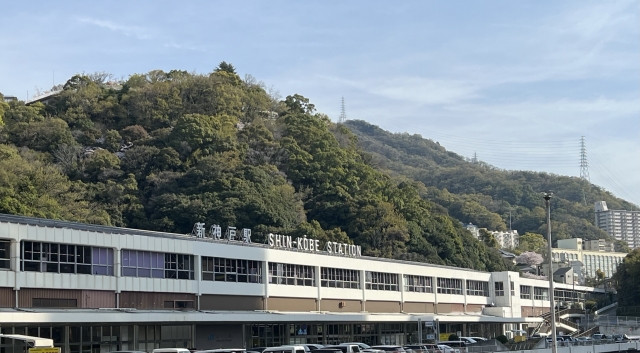
Travelling through Kobe on the Shinkansen is a rhythmic experience of light and shadow. Because the city is so mountainous, the tracks spend the vast majority of their time in deep tunnels. At Shin-Kobe, the train decelerates while still encased in rock, emerging into the daylight for only a few hundred metres to platform at the station, before immediately plunging back into the darkness of the mountain.
Furthermore, the station itself is an engineering feat of legendary proportions, famously constructed directly above an active fault line. It remains a testament to Japanese seismic engineering that such a high-speed artery can operate with such precision in such a volatile landscape.
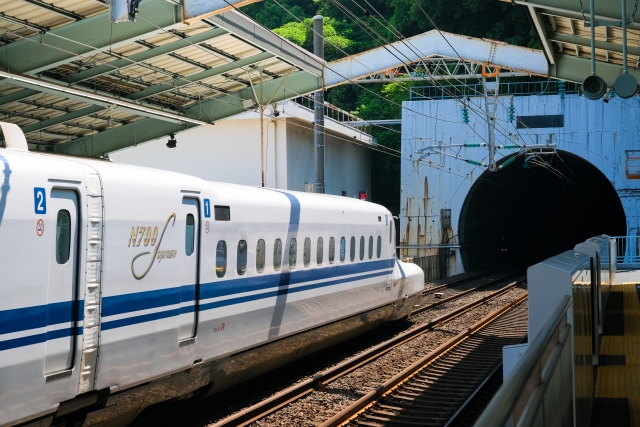
Broad Accessibility: Leveraging the Kobe Advantage
Kobe’s strategic position on the Sanyo line allows it to leverage a vast catchment area. It isn’t just a stop for those living in the city centre; it serves as a gateway for the wider Hyogo Prefecture and even as a transit point for travellers heading towards the island of Shikoku. By utilizing this broad accessibility, Kobe has solidified its status as a premier hub for both domestic business and international tourism.
Rail vs Air: A New Era of Competitive Synergy
Kobe is unique in that it possesses both a Shinkansen gateway and a thriving airport within close proximity. Historically, high-speed rail and domestic aviation have been seen as direct competitors. However, the future of Kobe’s urban planning lies in cooperation.
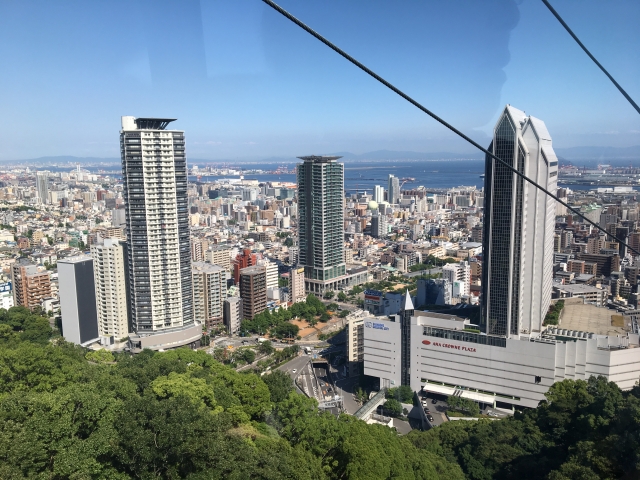
With the airport located just a short bus or train ride from the city centre, the synergy between the steel rails and the clouds is becoming more vital. Whether it is providing diverse options for travellers or creating a multi-modal transport hub that can withstand natural disasters, the partnership between the Sanyo Shinkansen and Kobe Airport is the key to the city’s future resilience. For example, if you go to Tokyo from Kobe, there is several ways, like Shinkansen, Flight, long-distance bus and so on. Personaly I tend to use Shinkansen, because it’s comfortable, easy, and fast. However, flight between Tokyo(Haneda) and Kobe is getting popular, with good reputation for fastness, competitive price. What I would like to say is that try both of them! Let’s see which you like, but I am sure that the Shinkansen experience is going to be above your expectation.