If the Hankyu Line is Kobe’s elegant velvet ribbon, then the Hanshin Main Line is its sturdy, reliable, and vibrant soul. Running parallel to both JR and Hankyu but hugging the “Hamate” (coastal) side of the city, Hanshin represents the grounded, “Shitamachi” (downtown) spirit of Kobe. It is a railway that doesn’t just transport people; it carries the history of local industry, the passion of sports fans, and a surprising commitment to modern elegance.
The Dynamic Link: From the Port to the Castle
The Hanshin Main Line is a vital urban artery connecting the sprawling metropolises of Osaka and Kobe. However, its reach extends far beyond the city limits. Through its long-standing direct service with the Sanyo Electric Railway, a single board at a Hanshin station can whisk you away to the historic castle town of Himeji or the scenic coast of Akashi without a single transfer.
Geographically, Hanshin serves the lower coastal strip, an area traditionally defined by its proximity to the harbour and manufacturing districts. This has bestowed the line with a “populist” and approachable image. To me, it feels like the true “people’s railway”—less about the high-society prestige of the foothills and more about the grit, energy, and daily life of the community.
The Nara Revolution: A Personal Connection
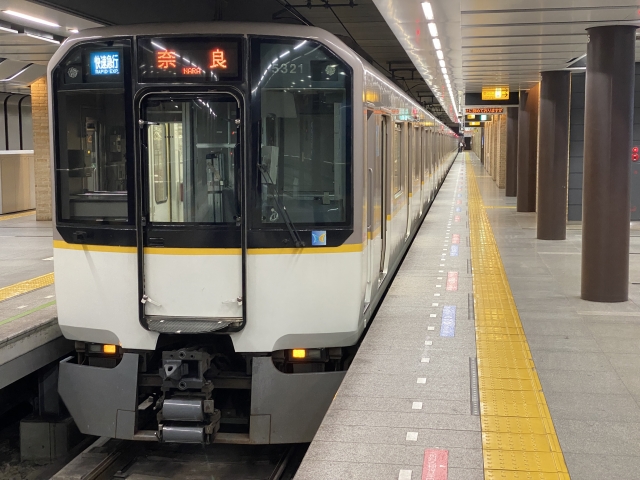
One of the most transformative moments in Kobe’s modern transit history was the expanding of the Hanshin Namba Line. While the connection between Kobe and Namba had existed for some time, it originally struggled with low ridership. This is also the line for USJ(Universal Studio Japan). Everything changed with the introduction of direct service with Kintetsu Railway.
This was a strategic masterstroke, linking the port city of Kobe directly with Eastern Osaka and the ancient capital of Nara. To this day, when I stand on the platform at Kobe-Sannomiya and see a Kintetsu “Rapid Express” train slide into the station, I am struck by a genuine sense of awe. “Can I really go all the way to Nara from here without moving from my seat?” It is a feeling of connectivity that never quite fades.
I put this to the test last year during the Golden Week holidays. Travelling to Nara on this direct link was a revelation in comfort and convenience. While other lines require a complex dance of transfers through the chaos of Osaka, Hanshin offers a serene, direct path to the deer parks and temples. For me, this isn’t just a technical advantage; it is a highlight of living in Kobe.
The Sannomiya Transformation: Beyond the “Cluttered” Image
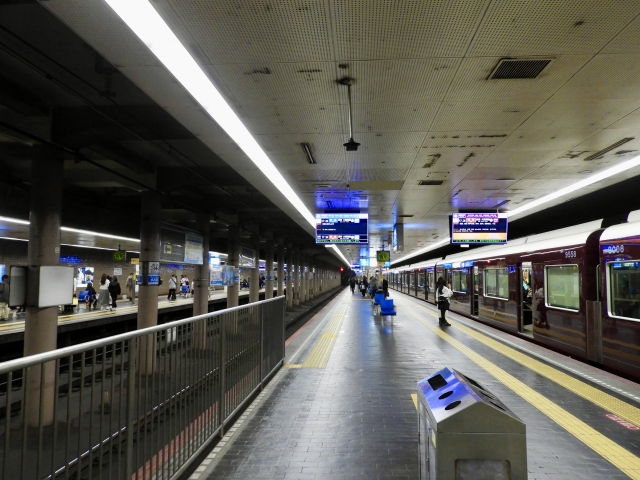
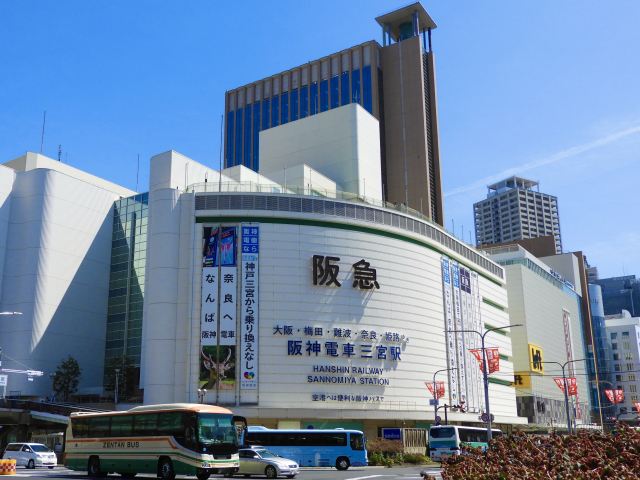
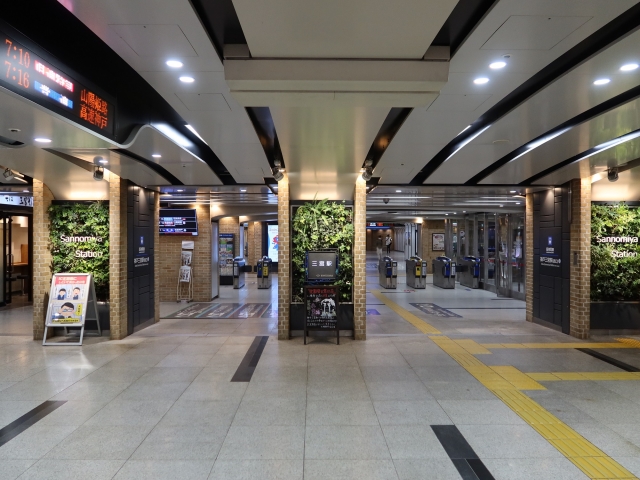
For a long time, Hanshin had a reputation for being somewhat “cluttered” or “old-fashioned” compared to its rivals. However, the massive renovation of Sannomiya Station about a decade ago completely shattered that stereotype. The station has been revitalised into a bright, clean, and highly sophisticated space that rivals any terminal in the country.
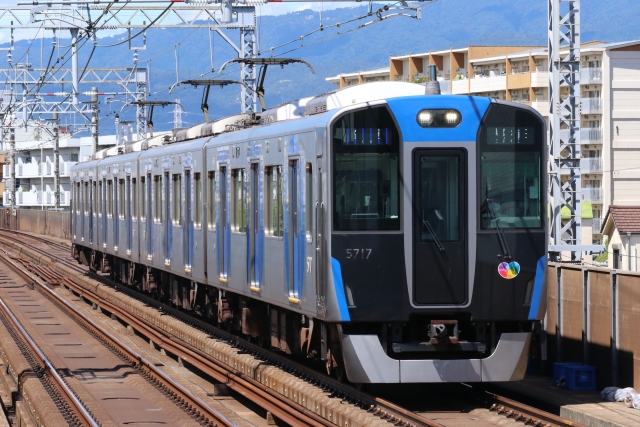
What impresses me most, however, is that Hanshin’s commitment to quality isn’t limited to its massive hubs. When you look closely, Hanshin has actually been more proactive than other lines in modernising its rolling stock and beautifying its platform environments. Even at the smaller, local stations—the ones where only the “Local” trains stop—you can see the care taken in maintenance and accessibility. There is a quiet, diligent organisation here that treats every passenger with respect, regardless of whether they are at a major terminal or a quiet neighbourhood stop.
The Spirit of Koshien: A Sea of Yellow and Black
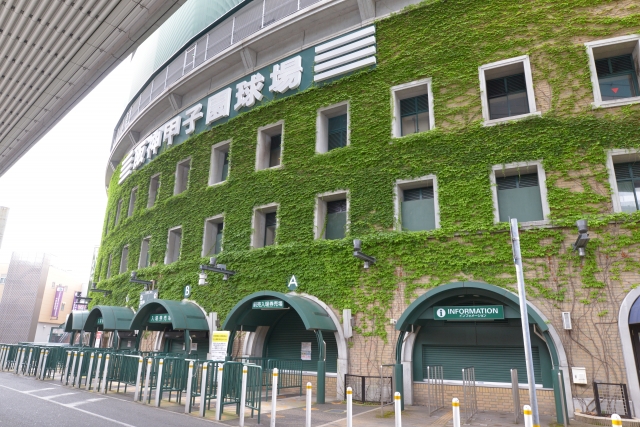
You cannot talk about Hanshin without mentioning Koshien Stadium. As the primary access route for both the Hanshin Tigers and the legendary National High School Baseball Championships, the line becomes a cultural phenomenon on match days.
The atmosphere is electric. I often see the platforms flooded with fans wearing the iconic yellow and black striped jerseys, their faces alight with anticipation. “If you’re going to a Hanshin game, you take the Hanshin train.” The railway is an extension of the stadium itself, a place where the collective energy of the city’s sports culture is most visible. It turns a simple commute into a festive, shared experience.
The “Local” Philosophy: Integrated with the Community
In a straight race from Kobe to Osaka, Hanshin is objectively slower than the JR Special Rapid or the Hankyu Limited Express. But to judge Hanshin solely on speed is to miss the point entirely.
Hanshin trains stop more frequently, and the distance between stations is notably shorter than on other lines. This is a deliberate design choice rooted in its history as a commuter-focused railway built to serve the densely populated coastal communities. Hanshin is intimately connected to the local geography. It is for the person who wants to get off exactly at their neighbourhood shop, the student whose school is just a few hundred metres from the platform, and the tourist exploring the hidden gems of the “Nada-Gogou” sake breweries.
Conclusion: The Strategic Choice
While I might choose JR when I am in a desperate rush, or Hankyu when I want to enjoy the “Yamanote” scenery, I choose Hanshin when I want to feel the pulse of the real Kobe. Whether it’s for a direct trip to Nara or a quick hop to a local coastal district, Hanshin offers a level of community integration and modern comfort that is truly commendable. It is a line that has managed to keep its “populist” heart while evolving into one of the most sophisticated transit systems in Japan.